Economy & Energy
US sanctions Iraqi bank for “sending dollars” to Iran – Bessent: “The noose is tightening around Iran’s economy”
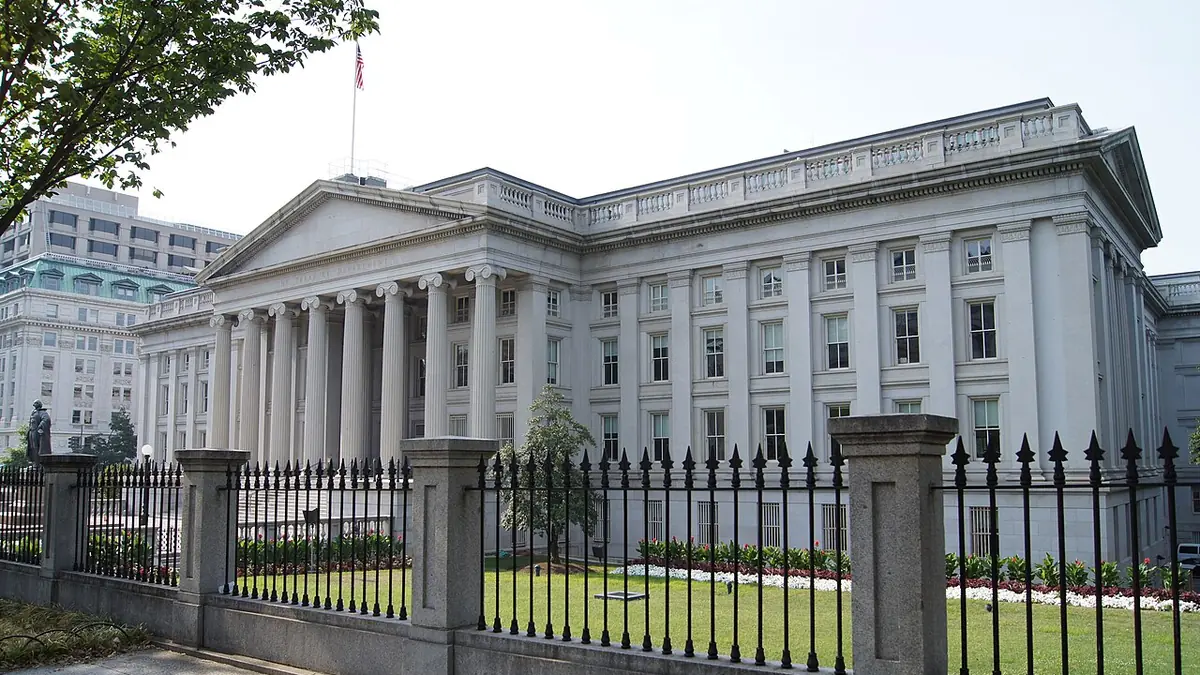
The US Treasury sanctioned Iraq’s International Development Bank for Investment and Finance, accusing it of giving Iran access to US dollars, as part of a package targeting 10 entities and 16 individuals.

The US Treasury Department imposed sanctions on Thursday, October 15, on Iraq’s International Development Bank for Investment and Finance (IDB), accusing it of providing financial facilities and access to dollars to Iran. The sanctions cover 10 entities and 16 individuals in total, under “Operation Economic Outcast”, which began in August.
According to the announcement of the Office of Foreign Assets Control (OFAC), the IDB “was originally founded by Iranian companies to support the Iranian economy and supply Iran with US dollars”. The sanctioned Bank Melli closed its branch next to the IDB in Iraq and moved its capital to it, while the bank sends its profits back to Iran in dollars every month. Its current management acquired ownership from an Iranian-Iraqi financier who works for the Quds Force of the Revolutionary Guards and keeps influence through family ties. Washington also accuses it of abusing Iraq’s now-abolished dollar auctions and of links to pro-Iranian militias.
“The noose is tightening around Iran’s economy, and not even Iran’s so-called allies can save it. The Treasury will not relent until the Iranian regime’s coffers are empty and every remaining financial lifeline sustaining its war machine is cut,” Treasury Secretary Scott Bessent said.
Offshore banks, exchange houses and a refinery
The list includes the Iranian offshore banks Jazireh International Bank Company, linked to Bank Mellat, and Chabahar International Bank Overseas Company, of Bank Shahr. Sanctions were also imposed on Dubai-based oil fund manager Seyed Ruhollah Razavi, son-in-law of the head of the Paydari Front, and on two of his companies, one of which is building a gas condensate refinery in Bushehr. Also targeted are seven officials of Farab Sorough Qeshm, Hong Kong’s Elitesphere Trading and four Iranian exchange houses with their owners, among them Sadegh Bavi, whom Washington describes as a facilitator for the Quds Force.
In parallel, the State Department announced sanctions on Cuba’s state-owned bank Banco Internacional de Comercio (BICSA) for services it says it has provided to Iran’s Karafarin Bank since at least 2022.
Warning on religious charity networks
In a second announcement, the Financial Crimes Enforcement Network (FinCEN) asked financial institutions to report possible abuse of religious charity networks by the Iranian regime, such as the diversion of religious contributions (khums) collected on behalf of ayatollahs close to the authorities and moved through hawala and cash couriers. The red flags include organisations with no visible charitable work and large donations from unknown sources that are quickly moved elsewhere.
Iraq had already banned the IDB and seven other banks from dollar transactions in 2024, notes The National. Baghdad’s oil revenues are held at the Federal Reserve Bank of New York, which gives Washington strong leverage. The new sanctions come as Tehran discusses the terms for the Strait of Hormuz, after its reply on the seven-day plan, and as Iranian parliament speaker Ghalibaf says that Iran will both fight and negotiate.