Europe
MdCN Mk2: France orders MBDA’s new naval cruise missile with a range of over 1,000 km
France’s DGA announced at EURONAVAL that it will soon sign a contract with MBDA for the MdCN Mk2 naval cruise missile, with a range above 1,000 km, with first deliveries from 2030.

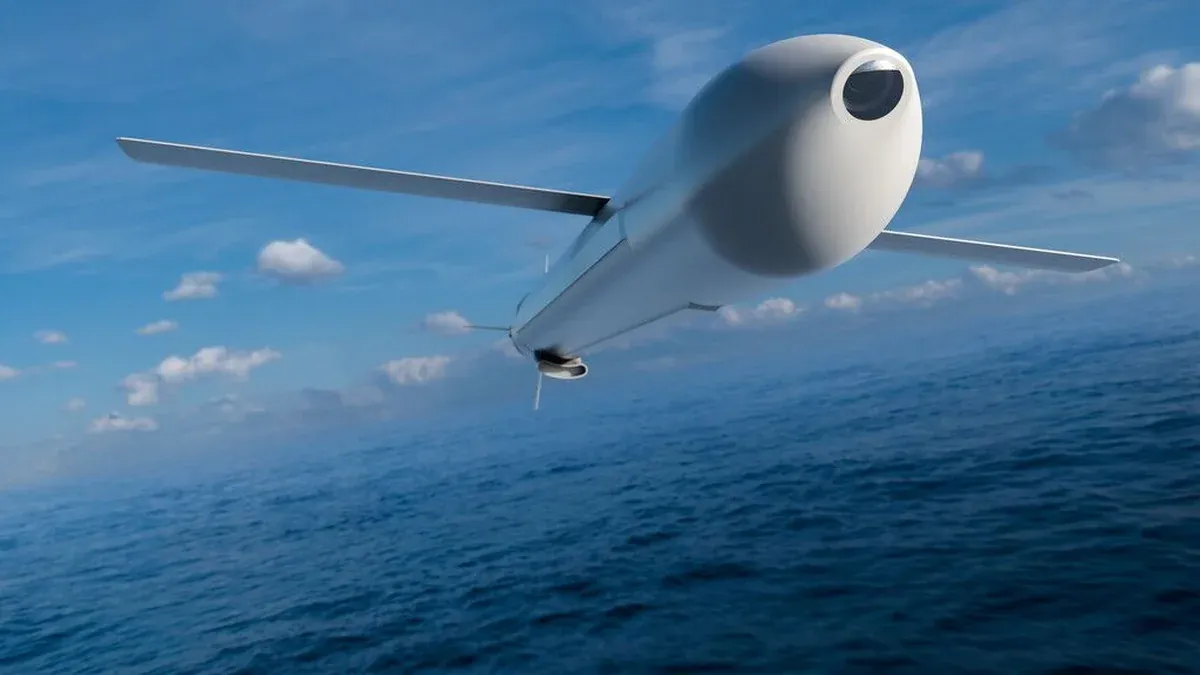
France is ordering a new version of the MdCN naval cruise missile, with a range of over 1,000 kilometres, a greater ability to penetrate the enemy’s air defences and artificial-intelligence tools in mission planning. The Directorate General of Armaments (DGA) announced on Friday, November 6, on the sidelines of the EURONAVAL exhibition, that it will soon sign a contract with MBDA for the MdCN Mk2. The first missiles will be delivered from 2030.
The DGA presented the order in a post on X as part of the re-equipment of the French forces, while the details were given by an announcement from the French Ministry of the Armed Forces. Neither the amount nor the number of missiles was made public.
What changes in the MdCN Mk2
The new missile is, according to the ministry, a “significant evolution” of the MdCN already in service. It is harder to detect, better resists jamming of satellite navigation (GNSS) signals and has a range of more than 1,000 kilometres. Mission preparation is improved with algorithms developed by MBDA’s teams. Paris stresses that the changes increase the capability to strike in depth, without endangering the ship or submarine that launches it.
The MdCN Mk2 is intended for operations against land targets. It will be launched from the FREMM multi-mission frigates and the Suffren-class nuclear attack submarines. From a frigate the missile is launched openly, while from a submarine it is launched covertly. It is designed to destroy infrastructure of great strategic value and complements, from the sea, the air-launched SCALP-EG cruise missile.
From Syria to the restart of production
The MdCN entered service in 2017. The following year it was used three times in Operation Hamilton in Syria. Its production, however, stopped in 2021, as there were no new orders. The new contract is provided for in the 2026 budget and falls within the goal of increasing the number of missiles by 85% by 2030 compared with the original plan.
The announcement comes two days after the DGA said, also at EURONAVAL, that it will soon sign a framework agreement with MBDA for Exocet MM40 B3C anti-ship missiles, with a range above 200 kilometres. European countries will be able to join that agreement, buying the missiles directly from the DGA and drawing on European funding from the SAFE programme. For ammunition of all types France intends to allocate 4 billion euros in 2027, against 2.4 billion in 2026, within a defence budget of 63.4 billion euros.
The Greek interest
The MdCN family also concerns Athens. MBDA has presented to the Hellenic Army General Staff the Land Cruise Missile (LCM), the land-based version of the naval cruise missile, while the question of whether the Greek FDI frigates will acquire a deep-strike weapon remains open; see our report on the Greece–France strategic alliance and the FDI contracts with Greek companies. The upgrade of the French missile shows what such a system could offer.