Middle East & North Africa
Trump: “Israel has helped Saudi Arabia a lot” – normalisation under the Abraham Accords on the table “maybe more than ever”
Trump said he believes Saudi Arabia would accept Israel's offer of help against the Houthis and that normalisation under the Abraham Accords is back on the table “maybe more than ever”. An Israeli analyst called the remarks premature.

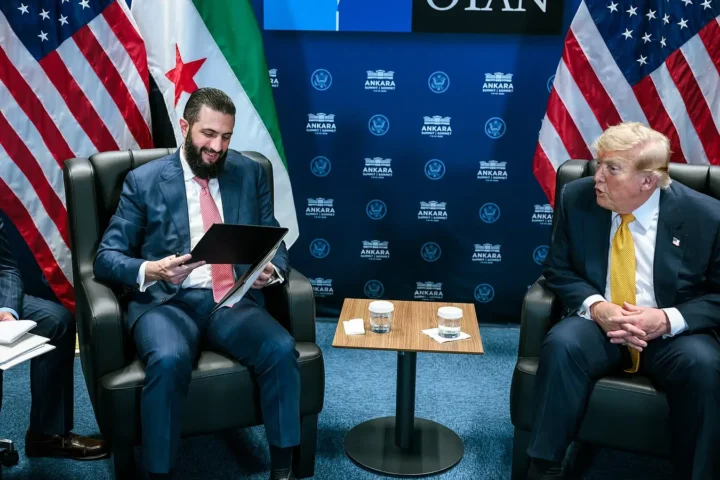
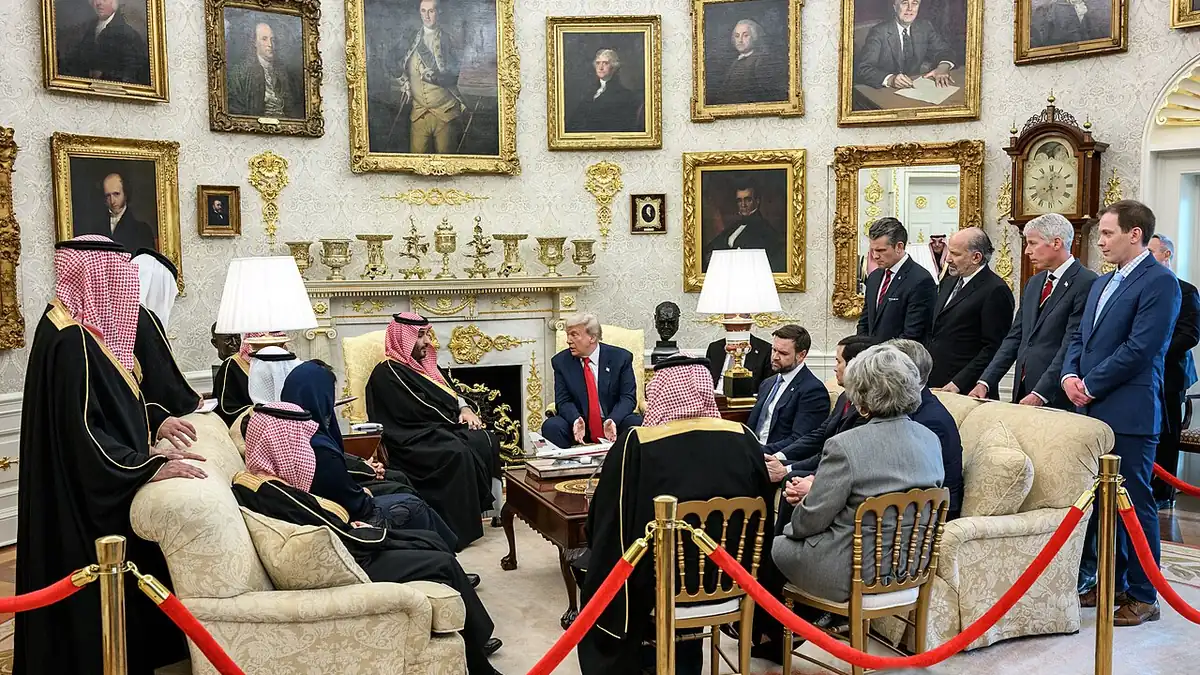
US President Donald Trump said on Friday, October 16, that he believes Saudi Arabia will accept Israel’s offer of help against Yemen’s Houthis. “I believe it, I think they will. Israel has helped Saudi Arabia a lot, and yes, they certainly would,” he told reporters at the White House before boarding Marine One, according to the Times of Israel.
Asked whether normalisation between Riyadh and Israel through the Abraham Accords is back on the table, Trump answered: “Yes, I think so. Maybe more than ever.” He added: “Saudi Arabia is very happy to have the support of Israel and ours.” The US president did not specify what help Israel has given, according to i24NEWS, and there was no reaction from Riyadh. Israeli Prime Minister Benjamin Netanyahu, asked on Tuesday whether Saudi Arabia had asked for help, had said that “there are hardly any Middle Eastern states that do not ask us for help.”
“Premature”, says Ynet analyst
In an analysis in Ynet, Ron Ben-Yishai assesses that the statements were “largely spontaneous” and do not point to any specific diplomatic development. According to him, the Saudis urgently need early-warning radars and air-defence batteries, such as Iron Dome, David’s Sling or even Arrow 2 interceptors, for the airports of Riyadh and Dhahran, the energy facilities near Yanbu and the pumping stations of the East–West pipeline. Israel, however, is “in no hurry” to provide them, and would consider it only if Mohammed bin Salman offered something of exceptional strategic value. So far Israeli help is limited to intelligence on possible targets.
Ben-Yishai notes that “Greece was the first to move, sending Patriot air-defence batteries to the kingdom”, while Emmanuel Macron also sent French systems to protect oil facilities. The same day, Defence Minister Nikos Dendias was in Saudi Arabia, where he discussed the continued presence of the Greek Patriot unit. According to Ynet, Israeli Chief of Staff Eyal Zamir had warned that Israeli strikes on the Houthis could widen the conflict and force Israel to postpone its October 27 election, while Riyadh continues to ask for a credible path to a Palestinian state. Ben-Yishai concludes that Trump’s vision of normalisation through the confrontation with the Houthis “looks premature”.