Africa
UK tells UN Security Council that violations of Abyei’s demilitarised status are “unacceptable” and urges Sudan and South Sudan to seize the moment
In a Security Council statement on Sudan and South Sudan, the UK condemned the 19 October drone attacks in Abyei, backed UNISFA and urged both governments to turn restarted talks into results.

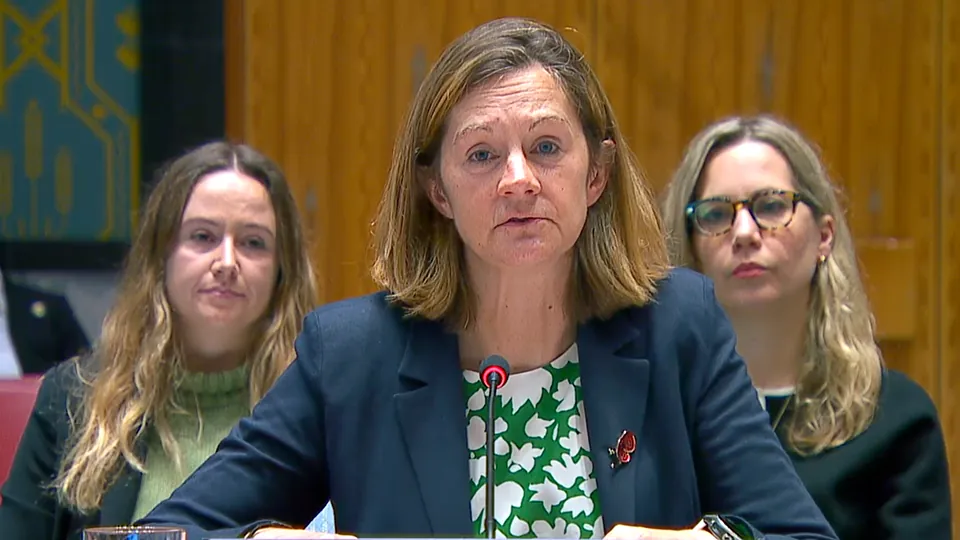
The United Kingdom told the UN Security Council on 5 November that continued violations of the demilitarised status of Abyei, the disputed territory between Sudan and South Sudan, are “unacceptable”, and called on both governments to seize what it described as an opportunity for progress. The statement was delivered by Ambassador Kate Foster, the UK Deputy Permanent Representative to the United Nations, at the Council meeting on Sudan and South Sudan.
The meeting came weeks after the drone strikes that hit the Abyei area in October. Foster said London “condemns the drone attacks near Amiet Market and Todach on the 19th of October, which killed and injured civilians and displaced thousands”. The Security Council already reacted to those attacks, and Geopolitiki reported its earlier position in UN Security Council condemns Abyei drone attacks as possible war crimes, in statement read by Greece’s Balta. The first reaction of the UN chief is covered in UN chief condemns Abyei market drone strikes: dozens of civilians killed, toll expected to rise, no perpetrator named.
Civilians, UNISFA and armed groups
The British statement was built around three points. On civilians, Foster said the UK is “deeply concerned by insecurity in Abyei and its impact on civilians” and is “appalled” by the continued prevalence of sexual and gender-based violence, including against children, together with the lack of access to justice and accountability. She said all parties must meet their obligations under international law, protect civilians and ensure safe and unhindered humanitarian access.
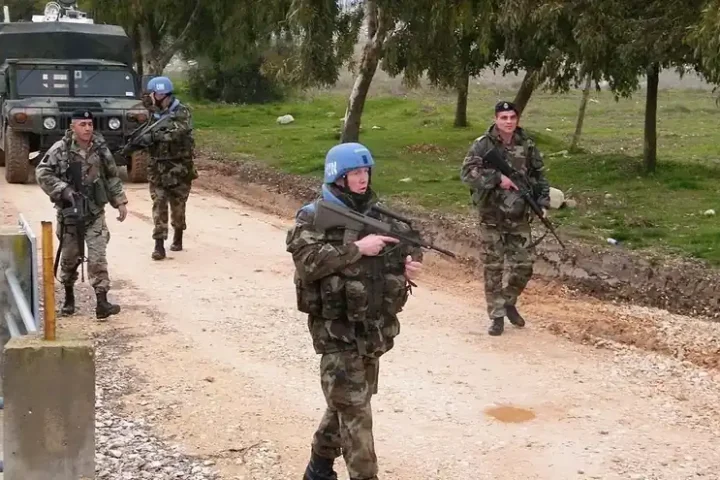
On the UN Interim Security Force for Abyei, UNISFA, the UK said the mission “remains essential to stability”. London welcomed progress on some of the benchmarks agreed last year, including steps towards deploying the mission’s first Formed Police Unit and appointing a civilian Deputy Head of Mission. Sudan and South Sudan, it said, must give UNISFA the access and support it needs to carry out its mandate. The statement also said that all unauthorised armed forces, including the Rapid Support Forces, must withdraw from Abyei.
A political track that has restarted
The third point concerned diplomacy. Foster described the resumption of the Joint Political and Security Mechanism after more than three years as “an important step”, but said dialogue has to turn into concrete progress. She listed three tasks: addressing the outstanding governance arrangements, resolving disagreement over plans to include Abyei in South Sudan’s December elections, and moving towards a settlement of Abyei’s final status. Both parties, the UK said, should implement their commitments and avoid unilateral actions that risk further instability.
Foster closed by saying there is “an opportunity for progress in Abyei” and that Sudan and South Sudan should take it “with the full support of this Council”. The UK text is a national statement and sets out London’s own position; it does not describe the positions of other Council members or of the two governments.