Middle East & North Africa
Yemen: the Houthis released 159 detainees of the government forces with the support of the Red Cross
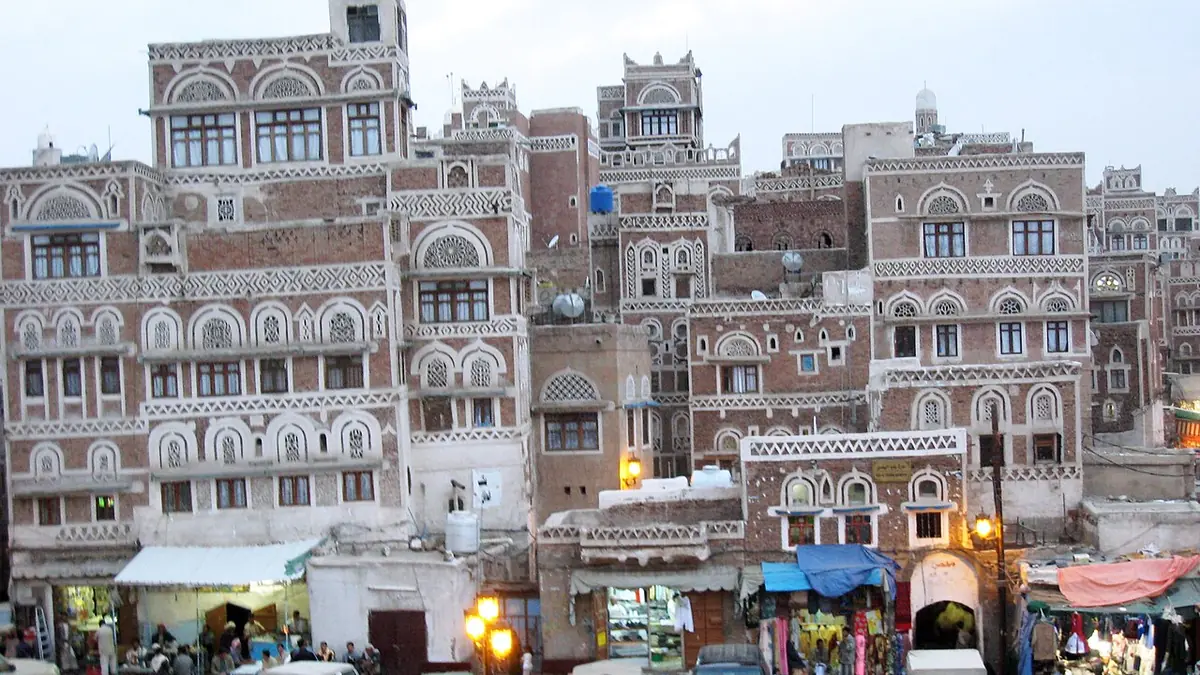
The Houthi authorities in Sanaa released 159 people held in connection with the Yemen conflict on Saturday, with the support of the International Committee of the Red Cross. The release was unilateral and is not part of the 2018 Stockholm Agreement.

The Houthi authorities in Sanaa released on Saturday 159 people who were held in connection with the conflict in Yemen, with the support of the International Committee of the Red Cross (ICRC). The Houthi side announced the same number, having pre-announced the release on Friday. According to the ICRC statement, the release was unilateral, took place on the initiative of the Houthis’ National Committee for Prisoners’ Affairs and is not part of the 2018 Stockholm Agreement, which governs prisoner exchanges under UN auspices.
The ICRC clarifies that it had no role in who or how many would be released. Before departure, its representatives interviewed each detainee individually, informed their families and offered help with their return. Its medical staff assessed their health and their ability to travel by road, while those with special needs received individual support for the journey. The committee says it is ready to act again as a neutral intermediary in future releases, transfers and repatriations, if the parties request it.
Those released are fighters of the government forces who were captured after the large Houthi offensive in September, when they took control of strategic positions on the Red Sea coast. The head of the Houthi prisoners’ committee, Abdulqader al-Murtada, said at a press conference in Sanaa that the men “surrendered voluntarily without a fight”. They were released under an amnesty by Mahdi al-Mashat, head of the Houthi Supreme Political Council, and local authorities will coordinate their return home. Last month, according to al-Murtada, another 323 detainees who had surrendered in the Hodeidah governorate were released under the same amnesty.
The move comes as the war in Yemen has reignited since July, with the collapse of the 2022 truce. The Houthis are striking targets in Saudi Arabia and Aden with missiles and drones, such as the strikes on the presidential palace in Aden, while the Saudi-led coalition responds with air strikes on missile depots and launchers. Ground fighting continues in Taiz, Marib and on the west coast, and the United Nations warns of a worsening humanitarian crisis. More than 200,000 people have been displaced since August, according to the UN.