Middle East & North Africa
CENTCOM launches Task Force Iron Gate to cut Iran’s land and Caspian smuggling routes
U.S. Central Command has created Task Force Iron Gate, a 20-person staff in Tampa, to stop Iran moving advanced weapons and sanctioned goods across its land borders and the Caspian Sea.

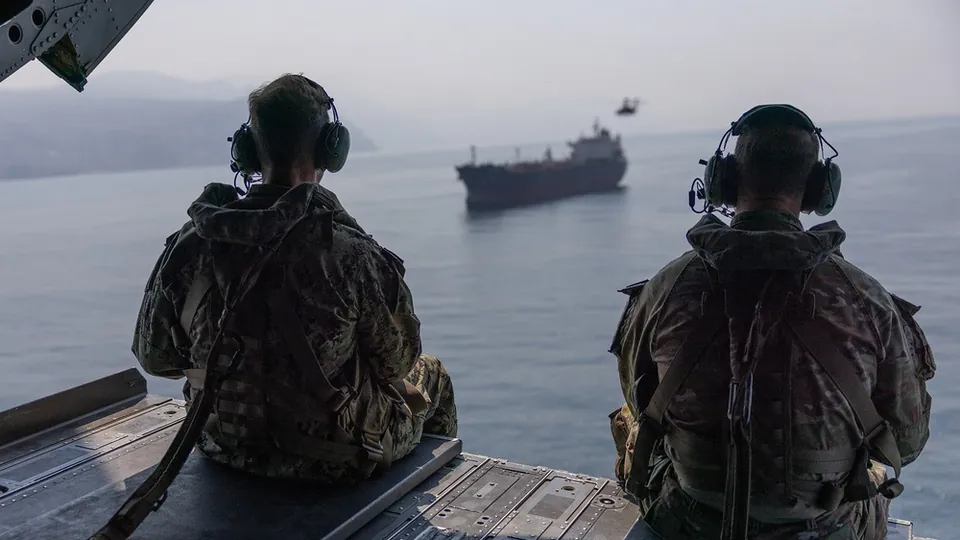
U.S. Central Command has set up a new task force aimed at stopping Iran from moving weapons and other restricted goods across its land borders and the Caspian Sea, CENTCOM said on Saturday, adding a land and Caspian dimension to the naval blockade it has enforced against Iran.
According to the command’s statement, CENTCOM commander U.S. Navy Adm. Brad Cooper directed on Nov. 7 the creation of Task Force Iron Gate. It is described as an internal staff of about 20 civilian and military personnel based in Tampa, Florida, and it will work with other U.S. government agencies.
What the task force is meant to stop
CENTCOM says the team will focus on the movement of advanced weapons systems, dual-use technologies, sanctioned materials and what it calls illegal revenue streams. The routes it names are Iran’s land borders and the Caspian Sea, rather than the Gulf and Arabian Sea approaches where U.S. ships are already enforcing the blockade.
The statement gives no details on where the task force will operate, what authorities it will use or how it will interact with neighbouring states. It describes the unit as a coordination and planning cell, not as a deployed force.
The blockade so far
“The establishment of Task Force Iron Gate reinforces the success of our ironclad blockade against Iran at sea,” Cooper said in the release. He added that closer work with U.S. interagency partners “will further constrain Iran’s ability to finance terrorism, rebuild weapons factories, and replenish their military.”
CENTCOM claims that in recent months the U.S. naval blockade has kept Iran from exporting more than $25 billion in crude oil, and says strict enforcement continues against all ships entering or leaving Iranian ports. The figure is the command’s own and has not been independently verified. Tehran has not commented in the release.
The announcement comes as the confrontation in and around the Gulf remains tense. For the background to the blockade, see our Iran war timeline 2026: Epic Fury, Hormuz and the US blockade, and for the diplomatic track, US and Iran explore phased Hormuz deal as blockade remains, sources say.
Shipping through the Gulf and the Strait of Hormuz matters directly to Greece, whose merchant fleet is among the largest in the world and carries a large share of the world’s oil cargoes. Any widening of the pressure campaign on Iran is therefore closely watched by shipowners and insurers.