Military & Defense
Delilah cruise missile: Loitering, guidance and strike limits
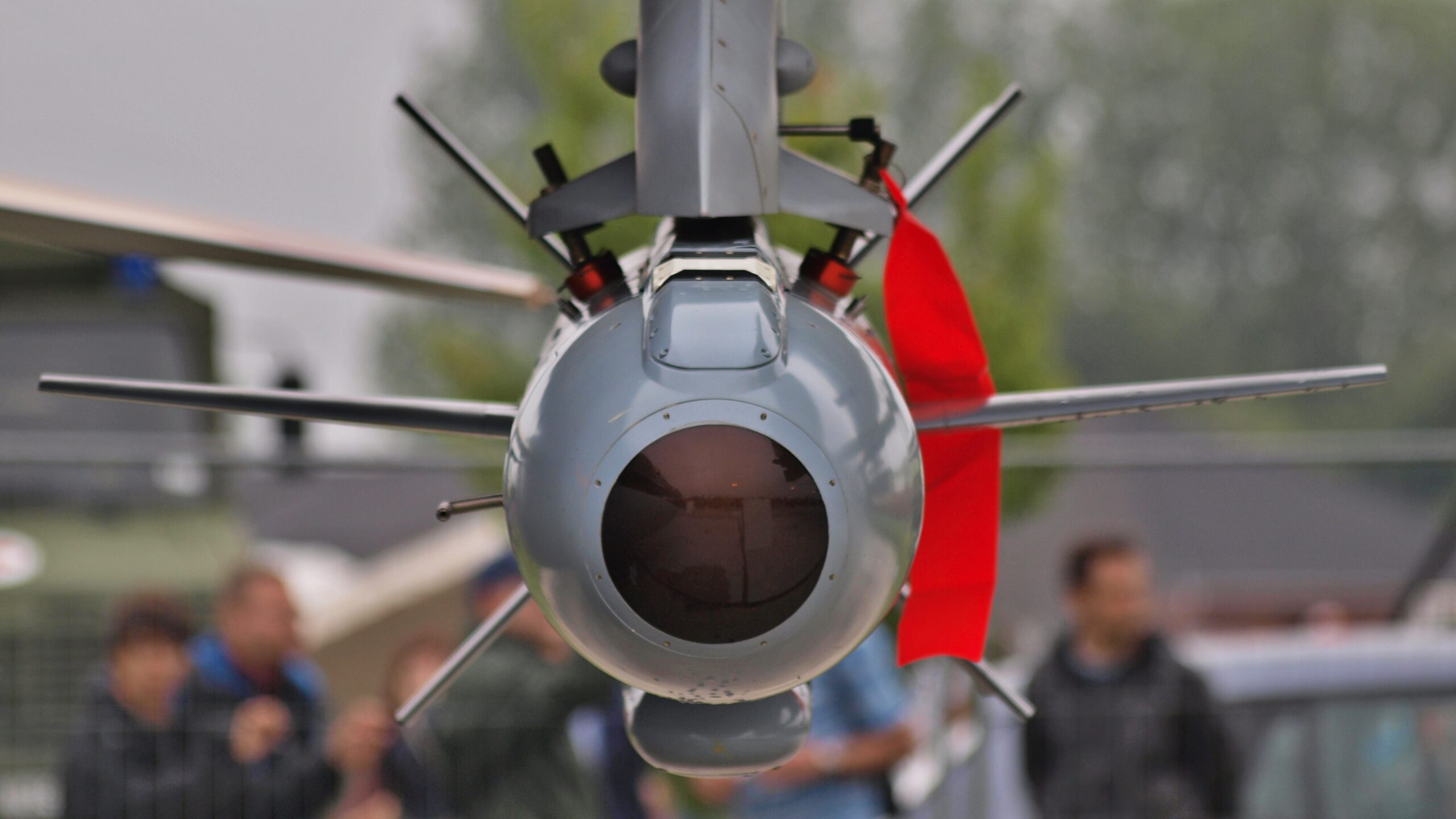
Elbit Systems’ Delilah is an air-launched stand-off missile designed to search, identify and strike a selected target after launch. Its ability to loiter and provide terminal imagery gives…

Elbit Systems’ Delilah is an air-launched stand-off missile designed to search, identify and strike a selected target after launch. Its ability to loiter and provide terminal imagery gives the operator more flexibility than a simple pre-programmed flight path. It remains a cruise missile with particular launch and communication requirements, not a guarantee of precision under every condition.
Guidance and mission flexibility
The manufacturer’s description highlights target acquisition and a man-in-the-loop mode. Elbit’s product sheet cites a maximum range of 250 km and a cruise speed around Mach 0.5–0.7. These are company figures; actual reach and effect depend on launch conditions, route, target and the communications link.
Why loitering matters
A missile that can revisit a target area allows an operator to distinguish a moving or newly discovered target before committing the attack. That can help reduce error when identification is clear and the link remains available. It also exposes a time-sensitive weapon to air defences and electronic interference for longer. Claims of a fixed one-metre accuracy against all moving targets should therefore be treated with care.
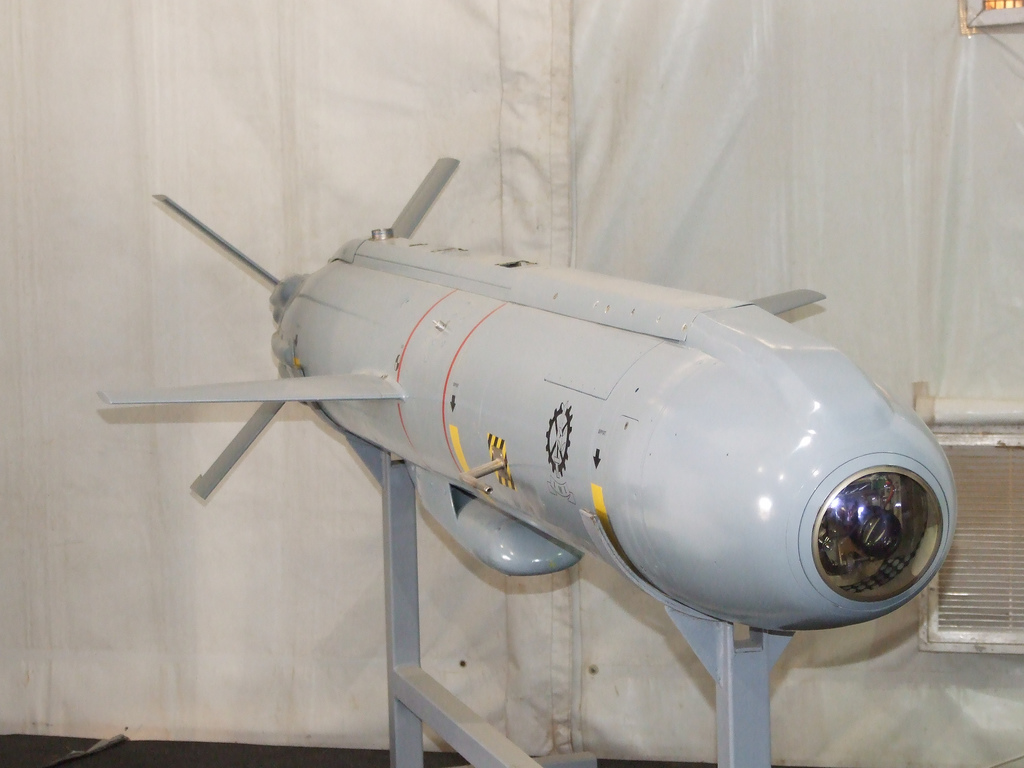
Delilah’s military value is the combination of stand-off launch, terminal imagery and a choice of aim point. Its use still requires reliable intelligence, mission planning, target authorisation and a compatible aircraft. It should be compared with other precision weapons by mission, survivability and cost rather than by maximum published range alone.