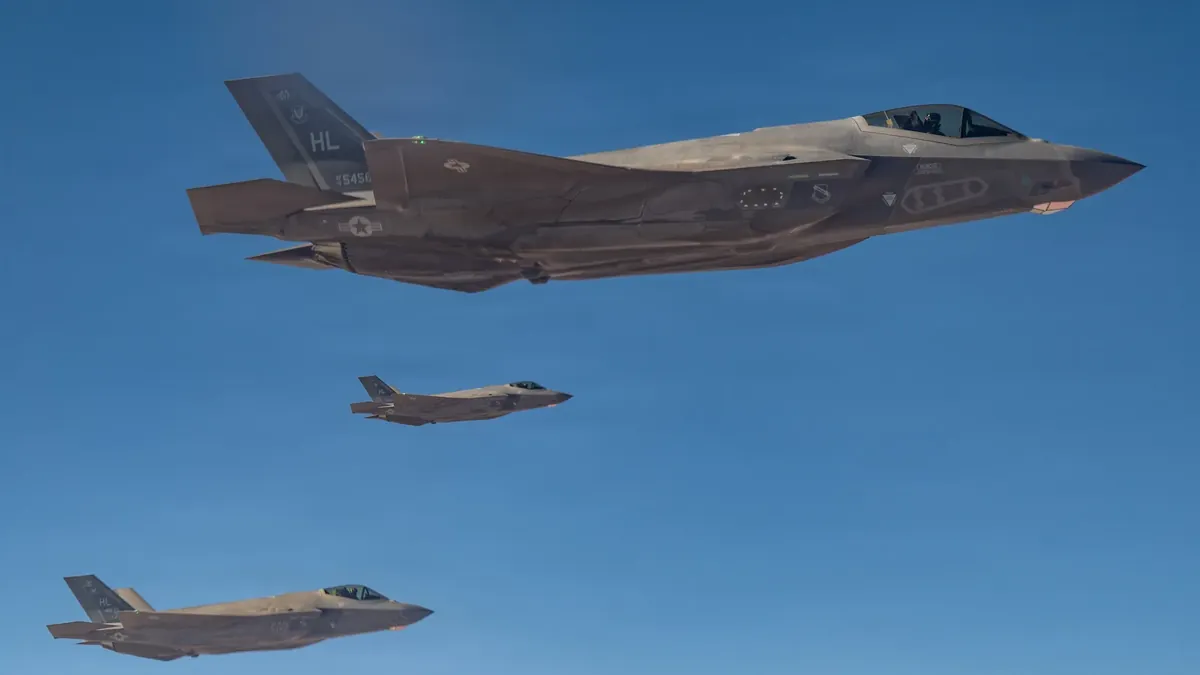
Air Force
F-35: Pentagon and Lockheed Martin unveil framework deal for 850 US jets over ten years and multiyear production of 156 aircraft a year
The US Department of War and Lockheed Martin unveiled a framework agreement for multiyear F-35 production and sustainment, covering 850 aircraft for the United States over ten years and international orders in Lots 21 to 30, at a steady rate of 156 aircraft a year. It is not yet a contract.

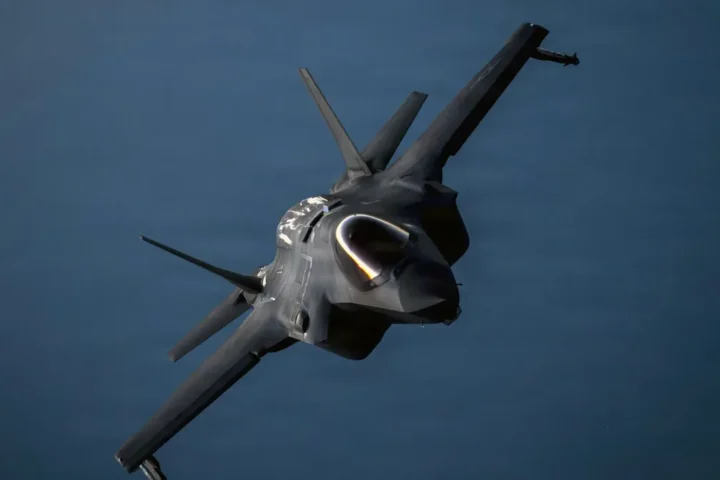
The US Department of War and Lockheed Martin unveiled on Thursday, October 22, a framework agreement for multiyear production and support of the F-35 Lightning II, according to the company’s announcement. The framework covers 850 aircraft for the United States over ten years, with initial spares, ten years of modification and support kits, and the orders of international customers in Lots 21 to 30. The production rate stays at 156 aircraft a year.
The deal is not yet a contract. If Congress gives multiyear procurement authority and the related funding in the coming months, the F-35 Joint Program Office and the company will finalise terms, prices and schedules with a formal award. Lockheed Martin estimates the scheme will save billions of dollars over the life of the programme through long-term pricing and volume discounts.
“With greater certainty from the U.S. government’s approach, we can make the initial investments to increase production capacity, improve efficiency and build a more resilient supply chain,” said company chairman and CEO Jim Taiclet. Lockheed Martin Aeronautics president O. J. Sanchez said the framework gives suppliers stability to plan and invest with confidence, and together with the company’s investments in the global spares pool will raise readiness rates.
Spares and availability
The central aim is fleet availability. Long-term demand on suppliers will allow bulk purchases of raw materials and critical components to cut repair times and supply delays, and the company says it ends the annual contracting cycle that has burdened the industrial base for years. According to the company, the programme supports 317,000 jobs in the United States and about $79 billion in annual economic activity over the next decade. More than 1,375 F-35s are in service, having passed one million flight hours and operating from 42 bases, with 13 countries hosting them.
For international customers, including Greece, the company expects economies of scale and lower support costs. The US Air Force’s fighter needs were recently set out in its report on 1,509 fighters by 2035, while Greece’s own priorities for US weapon systems were discussed by Defence Minister Nikos Dendias.