Middle East & North Africa
Iran’s Rezaei: Hormuz will not reopen without Tehran’s seven conditions, with threats against US cables, data centres and AI facilities
Mohsen Rezaei, secretary of Iran’s Supreme National Security Council, says Iran will neither open the Strait of Hormuz nor return to talks before seven new conditions are met, and warns US cables, data centres and AI facilities could be in range if war resumes. The White House denies plans to strike before the midterms.

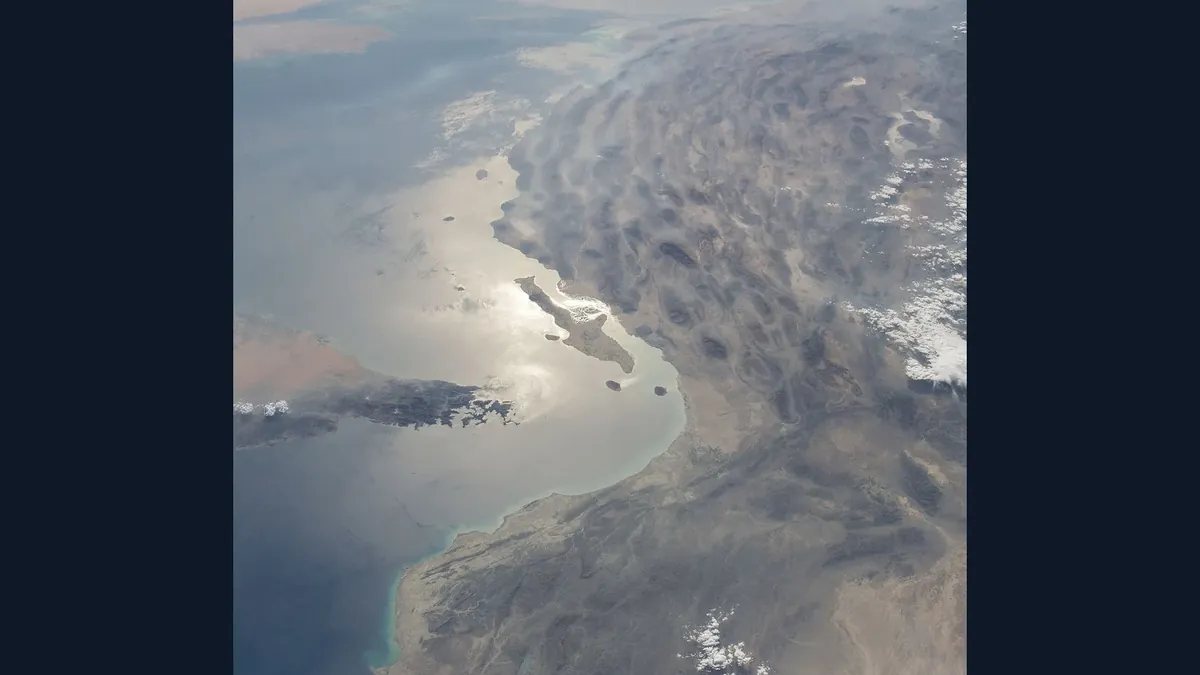
Iran will not open the Strait of Hormuz or return to negotiations until seven new conditions are met, which it has passed on through mediators. The position was set out by Mohsen Rezaei, secretary of Iran’s Supreme National Security Council, in a written interview with Drop Site News. These are Iranian claims and demands.
“We will not return to our previous approach to diplomacy, but we will not abandon it either,” Rezaei said. He explained that the first memorandum failed because commitments were carried out in the wrong order: Iran opened the Strait and shipping resumed, but the other side’s political and economic commitments were not implemented. “If Washington keeps its commitments, there is a path to opening the Strait. But Iran will not hand over first the lever that brought the other side to the table,” he added. On October 12 he had called the US reply to Tehran’s conditions “insufficient”.
Cables, data centres and artificial intelligence
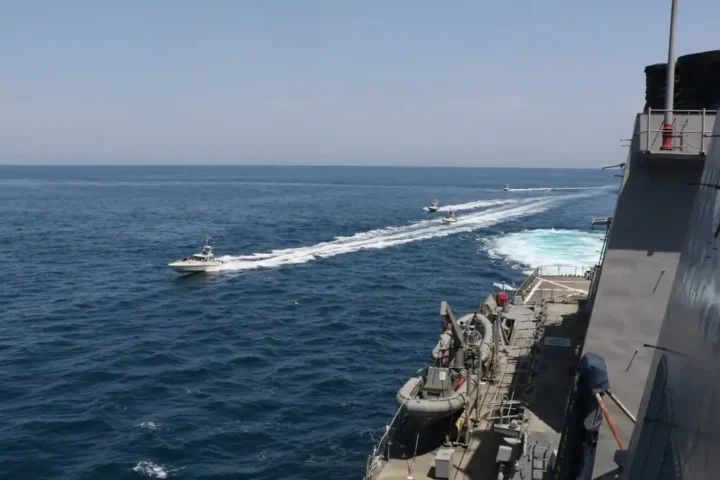
“If the question is whether Iran still has the ability to continue operations with missiles and drones, the answer is yes,” Rezaei said. “The United States has valuable assets in the region. In case of war, cables, data centres and artificial intelligence facilities could also come within range. If the conflict resumes, we will have a broader plan.” He warned that if the current situation continues, “energy markets will not find calm for the next three years”, and claimed Iranian forces strike “an average of five smuggler ships every night” in the last two to three months at the southern end of the Strait. The same day the Revolutionary Guards claimed strikes on four ships in the Persian Gulf, which independent monitors have not confirmed.
The White House replies
The White House denied it is planning a strike on Iran in the next two weeks. “The United States will not attack Iran before the midterm elections,” deputy press secretary Anna Kelly told Drop Site, adding that the blockade will remain in full force. The US and Israel began the war against Iran on February 28, and Tehran responded with missile and drone attacks and by closing the Strait. The June memorandum of understanding, which was to open the way to a final agreement, collapsed after disagreements over navigation.