Asia-Pacific
Pakistan: army says it killed 74 militants in operations in Khyber Pakhtunkhwa and Balochistan
Pakistan’s army media wing ISPR says 43 militants were killed in Khyber Pakhtunkhwa in 48 hours and 31 in an operation in Balochistan since November 3. The figures are the army’s own.

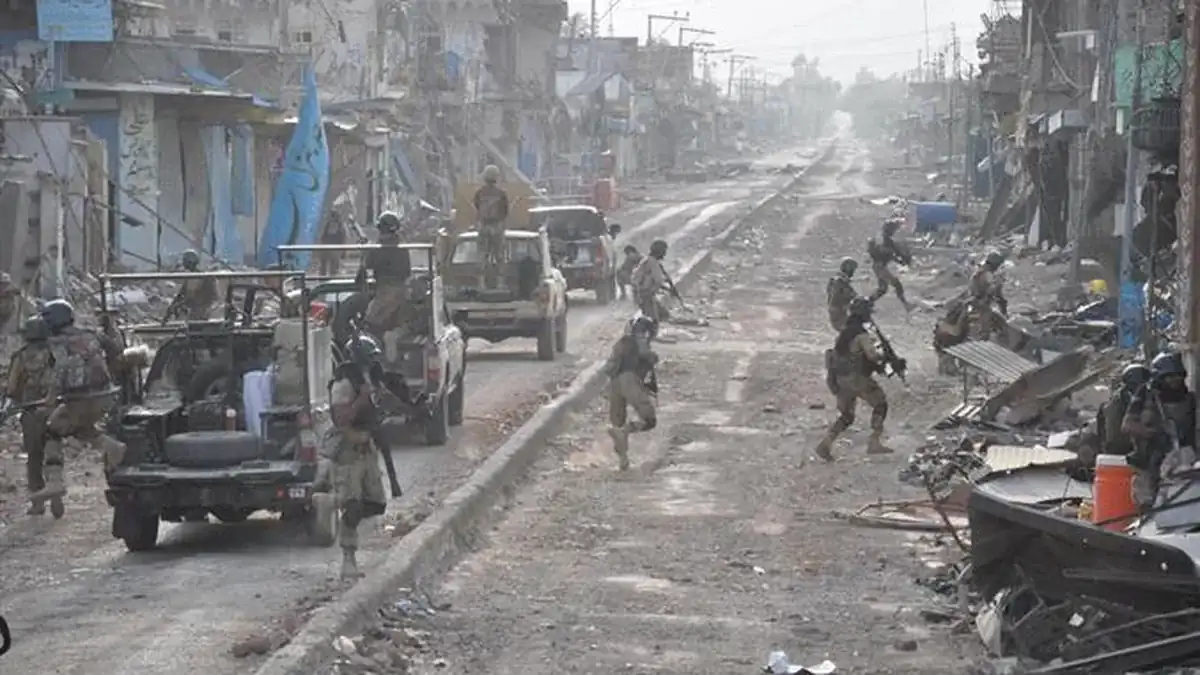
Pakistan’s army says it killed 74 militants in intelligence-based operations in the provinces of Khyber Pakhtunkhwa and Balochistan. The figures were given on Friday, November 13 by the armed forces’ media wing, Inter-Services Public Relations (ISPR), in two separate statements. Forty-three were killed in Khyber Pakhtunkhwa over the last 48 hours and the other 31 in an operation in Balochistan that has been under way since November 3. The tolls are the army’s own and refer to three different areas.
In Khyber Pakhtunkhwa, according to ISPR, the series of operations expanded to the areas of Mir Ali, in North Waziristan, and Orakzai. The army describes “intense exchanges of fire” and says it killed 35 militants in Mir Ali and 8 in Orakzai, all of the “Fitna al-Khawarij,” the term the Pakistani state uses for fighters of the banned Tehreek-e-Taliban Pakistan (TTP). According to the statement, soldiers found a large quantity of weapons, ammunition and explosives, among them improvised explosive devices (IEDs). “Clearance” operations continue to neutralise those still hiding in the areas.
In Balochistan, ISPR reports an “extensive intelligence-based clearance operation” in the Kurram area of Quetta district since November 3. The targets, according to the army, were members of the “Fitna al-Khawarij” and the “Fitna al-Hindustan,” a term by which the state labels Balochistan’s armed groups to stress the role it attributes to India. The army says it hit several hideouts, killed 31 militants “financed by India” and found weapons, ammunition and explosives. New Delhi denies that it supports these groups.
Prime Minister Shehbaz Sharif, in a statement carried by the state agency APP, praised the security forces for the Kurram operation and said the fight against “foreign-backed terrorism” will continue with undiminished intensity under the National Action Plan. President Asif Ali Zardari also praised the security forces. ISPR ended its statements by saying the campaign under the Azm-e-Istehkam (“Resolve for Stability”) plan will continue “at an undiminished pace.”
Two insurgencies
Pakistan faces two insurgencies, in the northwestern Khyber Pakhtunkhwa and the southwestern Balochistan, provinces that border Afghanistan. Attacks have risen since the Taliban took power in Kabul in 2021. Islamabad accuses Afghanistan of hosting TTP fighters, which Kabul denies, and the tension has led this year to clashes between Pakistan and Afghanistan and to border closures. The army accuses India of financing both the TTP and Balochistan’s separatist groups, while Islamabad has in the past directly threatened India.