Europe
U.S. Space Force commander in London: spectrum awareness is the “missing link” for allied satellite defence
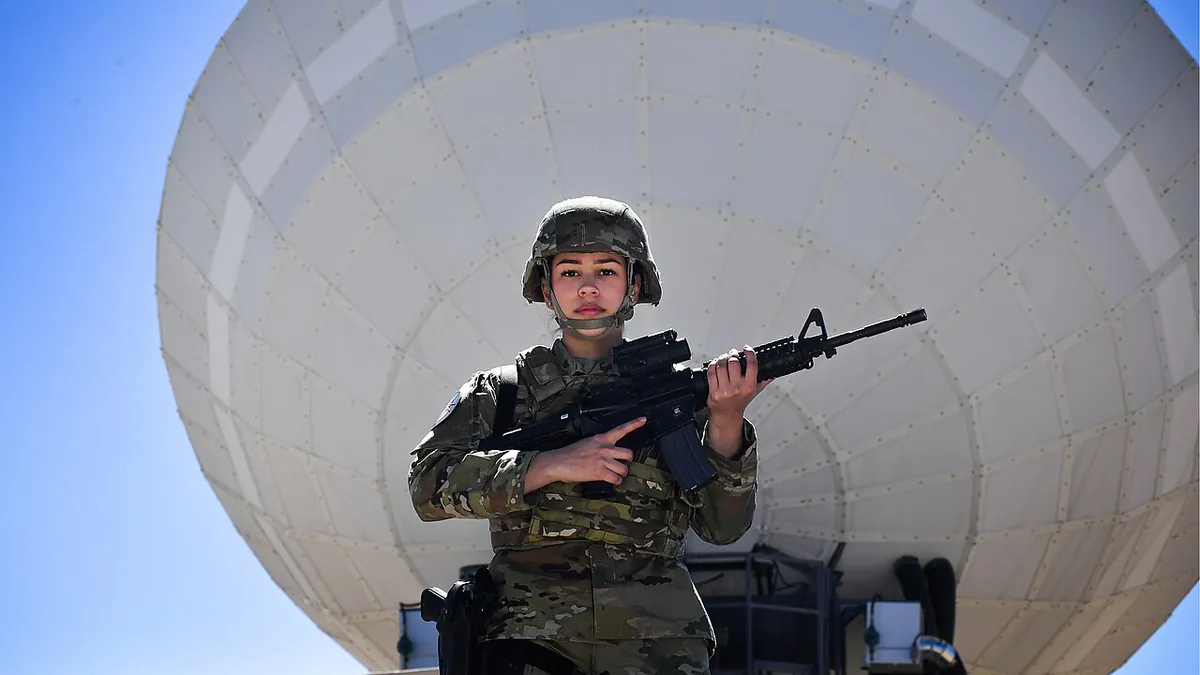
Brig. Gen. Christopher Fernengel of U.S. Space Forces Europe and Africa urged allies at Global MILSATCOM 2026 to share data on electromagnetic interference and plan resilient satellite links.

The U.S. Space Force commander responsible for Europe and Africa has told allied defence leaders that tracking objects in orbit is not enough: partners also need a shared picture of electromagnetic interference. Brig. Gen. Christopher Fernengel, who leads U.S. Space Forces Europe and Space Forces Africa, made the case at the Global MILSATCOM 2026 conference in London, according to a U.S. military release published on 9 November.
“The electromagnetic spectrum is the battlefield where wars will be won or lost,” Fernengel said. He called spectrum awareness “the missing link”, an element of space domain awareness that he described as just as foundational as physically tracking satellites and debris.
Spotting interference before it hurts operations
Fernengel argued that allies must be able to identify interference quickly, work out whether it is natural or deliberate, pass that information across national and organisational boundaries and have a credible response ready. “If our operators encounter electromagnetic interference in theater and are still debating whether they can share the relevant information, we are already behind the timeline,” he said.
He said all 104 nations across the areas of responsibility of U.S. European Command and U.S. Africa Command have a role in collective spectrum awareness, whether through access, training, host-nation support or the ability to operate alongside a wider coalition.
Electromagnetic warfare sites and resilient satellite links
According to the release, the command is working on solutions in support of U.S. European Command, U.S. Africa Command and NATO allies. Fernengel pointed to Multi-Purpose Space Electromagnetic warfare sites as something that “could be a gamechanger in the defense of the alliance”, but cautioned that success depends on decisions taken well before equipment arrives: access and basing arrangements, site surveys, host-nation approvals, spectrum access, logistics, sustainment and trained personnel.
He also stressed contingency planning for satellite communications. Under the Primary, Alternate, Contingency and Emergency (PACE) approach, he said, users should be able to move quickly between systems, orbits, providers and national architectures so that a disruption to one pathway does not paralyse the force. “A PACE plan that exists only in a briefing slide is not a plan,” he said.
Why it matters
Jamming and interference of satellite signals have become a routine concern for forces operating in Europe, and the remarks show the U.S. Space Force pressing allies to pool data and agree arrangements in peacetime rather than during a crisis. Fernengel framed this as burden sharing and deterrence, saying resilience “will be built by Allies who invest together, partners who train together, industry and governments that innovate together”.
The remarks come as Washington builds out its space architecture; for background on another recent Space Force programme, see Golden Dome: Viasat to build the operations centre of the Space Force’s space data network – the contract value. The release did not announce any specific site, funding or timetable for the electromagnetic warfare sites he mentioned.