Asia-Pacific
Taiwan: “the 2027 window still stands,” says the commander of US Army Pacific – readiness by April 2, 2027
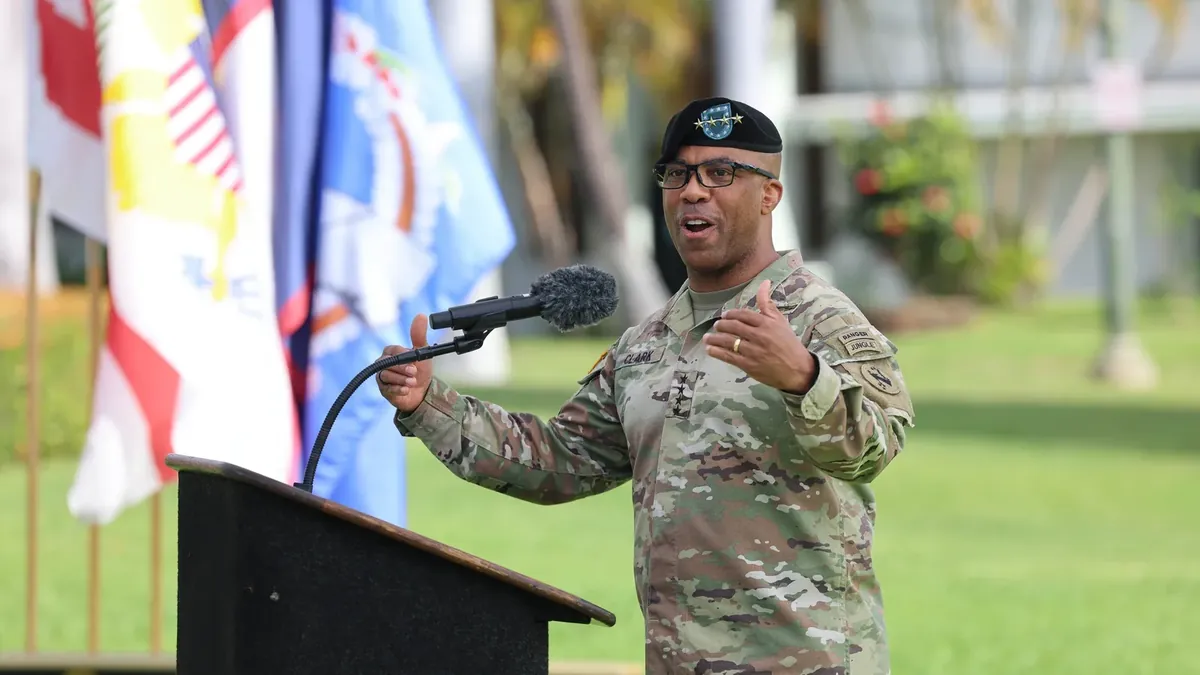
For US Army Pacific, the 2027 window for a possible Chinese invasion of Taiwan has not closed, Gen. Ronald Clark said. His forces must be ready by April 2, 2027, though he stressed this is not a prediction of conflict.

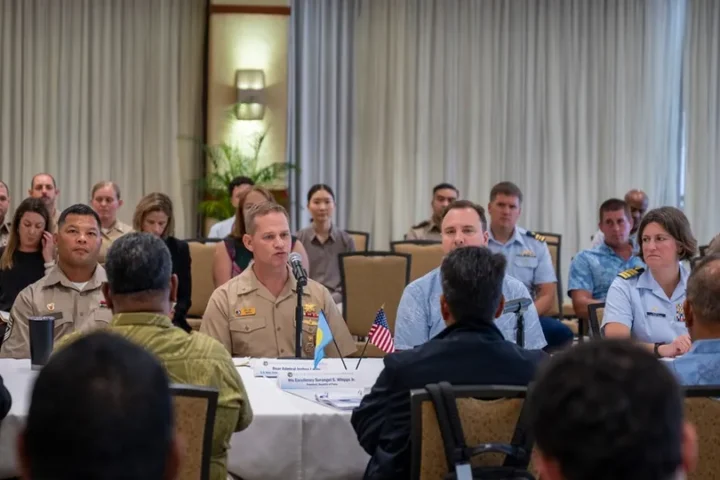
For US Army Pacific, the 2027 window for a possible Chinese invasion of Taiwan has not closed. “The question is whether the window is still valid. The answer for us at USARPAC is yes,” said Gen. Ronald Clark, commander of US Army Pacific (USARPAC), speaking on Tuesday, October 27 at AFCEA’s TechNet Indo-Pacific conference in Hawaii. The statement was recorded by Breaking Defense.
Clark also gave a specific date: his forces must be ready by April 2, 2027. He made clear, however, that this is not a forecast of conflict. “It is not a date on which we believe the conflict will happen. It is a time period for which we draw the line and say we must be ready by then,” he said, adding that preparation, modernisation and force posture to deter war will continue well beyond 2027.
The Davidson window
The “Davidson window” is named after retired Adm. Phil Davidson, former commander of Indo-Pacific Command (INDOPACOM). In 2021 Davidson told the Senate Armed Services Committee that China could acquire the capability to invade Taiwan within six years. Since then 2027 has served as a planning milestone for the US and its allies. Clark knows the assessment well: he was Davidson’s chief of staff when the admiral testified to the Senate.
To reach the readiness he asks for, USARPAC is implementing a plan it calls Army Ready Forward. It involves moving equipment, materiel and personnel forward, on rotating deployments, to locations on the first and second island chains west of the International Date Line. Chinese military activity in the region remains intense: days ago Taipei tracked more than 50 Chinese ships from southern Japan to the Philippines, while Tokyo called China its greatest strategic challenge in its 2026 Defence White Paper.
What Clark asks of industry
Asked which operational problems industry can help with in the next six months, Clark called for a balance between expensive high-performance systems and cheaper solutions produced in large numbers. “Meeting that requirement assumes the industrial base will adapt to offer the capability and the surge capacity required in a crisis,” he said.
The commander dwelt in particular on supporting frontline units. “Our operational requirement is clear: we must develop resilient, affordable and scalable ways to support forces at the tactical edge when traditional infrastructure is disrupted or unavailable,” he said, speaking of an “urgent need” to work with industry. The remarks fit the Pentagon’s turn toward commercial solutions that can reach soldiers quickly and toward large numbers of cheap drones able to overwhelm an adversary, after decades of reliance on specialised and expensive equipment that often arrived late.