Air Force
UK to equip RAF Chinook helicopters and A400M aircraft to fight wildfires from the air for the first time
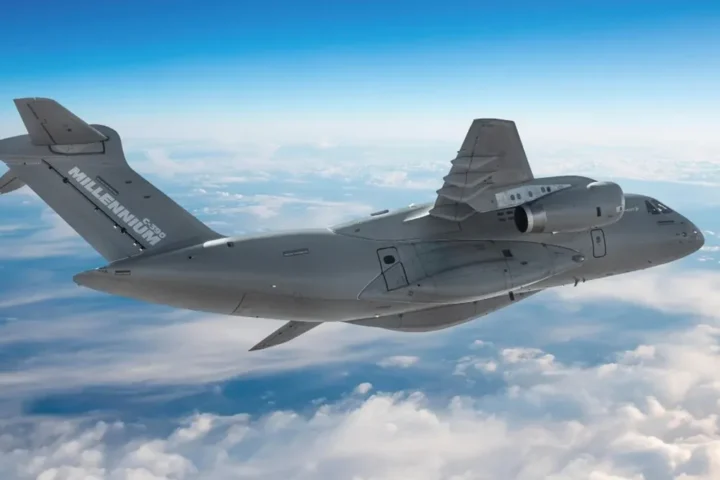
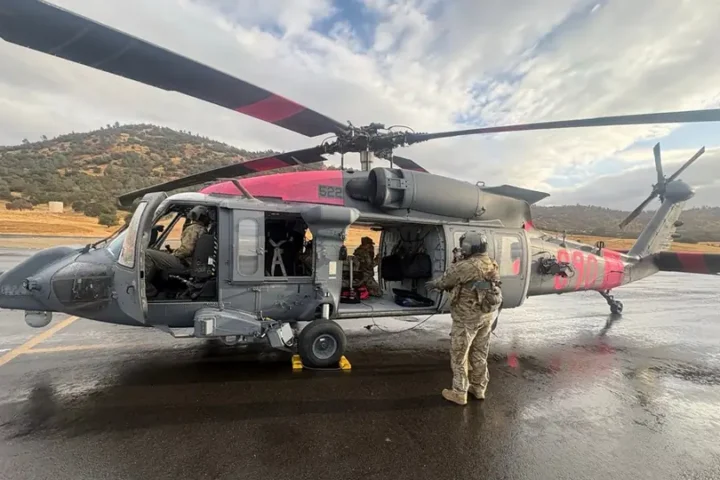
The UK government says RAF Chinooks and A400M aircraft will be fitted for aerial firefighting, as part of a wildfire package announced at a summit on 22 October.

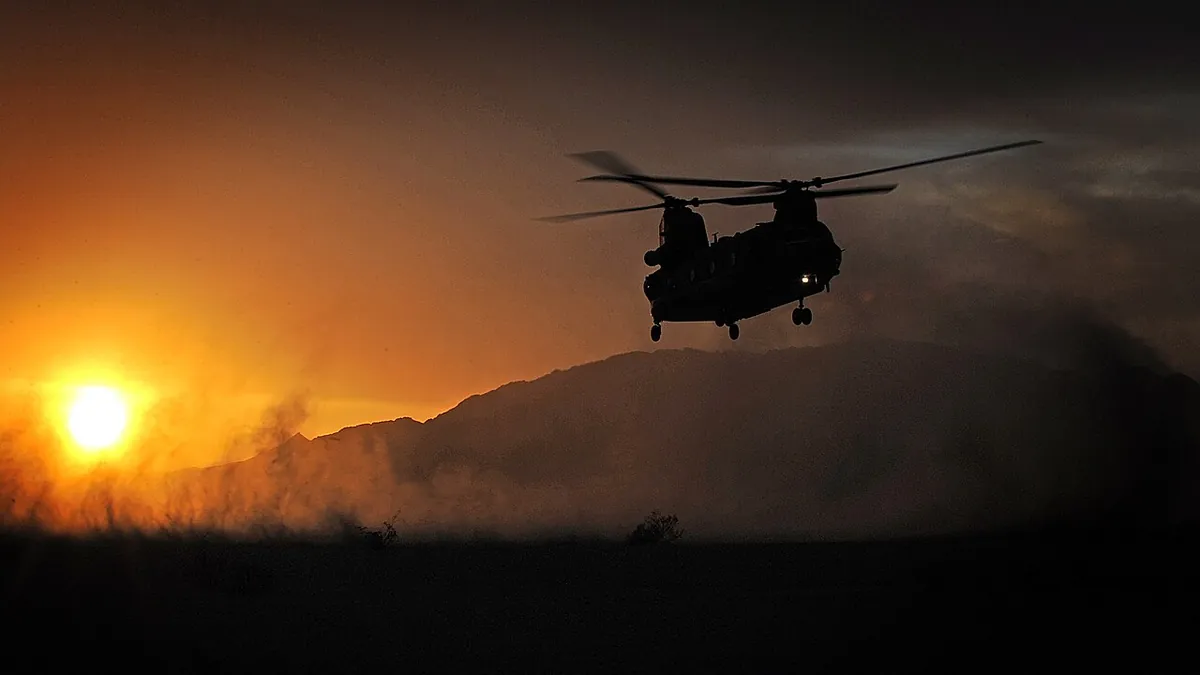
The United Kingdom is to give its armed forces a role in fighting wildfires from the air for the first time. The government said on 22 October that Royal Air Force Chinook helicopters and A400M transport aircraft will be fitted with firefighting equipment, so that they can be called on to help crews tackle blazes on remote moorland and steep ground that fire engines struggle to reach.
The announcement came on the day the Prime Minister met fire chiefs, local leaders and experts at a wildfire summit, after what the government described as the hottest summer on record in the UK. It is a joint package from the Ministry of Housing, Communities and Local Government and the Ministry of Defence.
What defence will provide
According to the government, the Ministry of Defence will be able to develop, for the first time, an aerial firefighting capability based permanently in the UK. Defence Secretary Wes Streeting said that as the threat of wildfires grows, “defence will step up” to support the emergency services and also protect military training areas across the country.
Civilian fire and rescue services in all four nations of the UK will continue to be able to ask for military help through the Military Aid to the Civil Authorities process, known as MACA. The aircraft are described as ready to assist “when requested”, which means they will support the civilian services rather than lead the response.
Money for firefighters and landscapes
The wider package includes up to £45 million for additional specialist wildfire teams in England and for lighter, more breathable protective clothing designed for long periods of work on wildfires. The government says current kit is mainly built for fires in buildings. A further £25 million is earmarked to restore dried-out peatlands in England so that they hold more water and act as natural firebreaks, alongside financial support for farmers who dig ponds and clear burnable material in high-risk areas.
Ministers also said they would look at tougher local restrictions or product bans when the fire risk is high.
Data, forecasting and planning
A new Wildfires AI Unit is to be set up in the National Situation Centre within COBR, bringing together universities, technology firms and government to detect and fight fires faster. The government will also work with the Met Office on better wildfire forecasts and risk information, develop England’s first Wildfire Action Plan covering prevention, preparedness, response and recovery, and work more closely with the devolved governments.
The government said the Met Office found that climate change made this summer’s extreme heat around 130 times more likely. Companies including Airbus, Google and VodafoneThree were due to attend the summit. Kata Escott of Airbus Defence and Space UK said her company supports the UK effort in the air, in the digital domain and through early-warning assets in space.
What happens next
The government’s release does not give a date for when the modified Chinooks and A400Ms will be ready, nor the cost of the aerial capability. It says only that investment announced by the Prime Minister will allow the Ministry of Defence to develop the permanent UK-based capability. The Wildfire Action Plan for England is the next stated step.