Air Force
U.S. Air Force orders 15 more KC-46A tankers from Boeing in $2.82 billion final lot
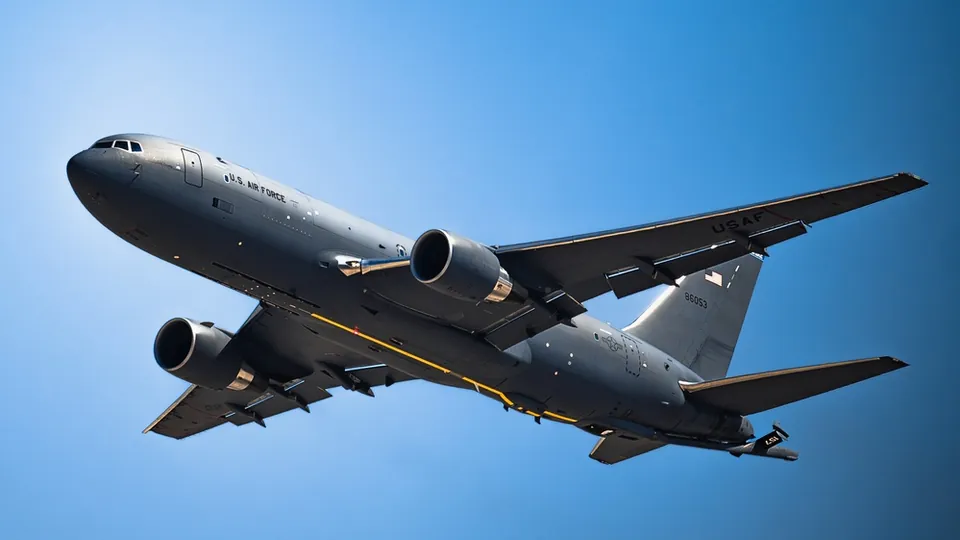
The Pentagon has awarded Boeing about $2.82 billion for 15 more KC-46A Pegasus tankers, the last lot under the original 2011 contract, as the U.S. Air Force weighs a further 75 aircraft.

The U.S. Air Force has ordered 15 more KC-46A Pegasus aerial refuelling tankers from Boeing in a deal worth about $2.82 billion, the Pentagon announced on Tuesday, November 24, 2026. Defense News reports that the order is the last production lot under the original 2011 tanker contract.
The new lot costs roughly $350 million more than the previous 15-aircraft lot, which was valued at $2.47 billion a year earlier, according to the same report. The contract is firm-fixed-price, meaning Boeing carries any cost overruns. Defense News adds that the company has booked more than $7 billion in losses on the programme, including a $565 million charge late last year that it linked to higher production costs.
Deliveries and fleet numbers
Defense News says deliveries from the previous lot are expected to finish by mid-2029, and the aircraft in this lot by mid-2030. The Air Force has received 116 KC-46As so far, and 203 are on contract or in service worldwide. Japan and Israel also operate the type. We have previously reported on the Air Force’s efforts to monitor how the tanker performs in service: US Air Force seeks AI to assess KC-46 aerial refuelling operations.
Jake Kwasnik, Boeing’s KC-46 programme vice president, said: “We’re grateful for the trust the U.S. Air Force continues to place in our team.”
What comes next
The Air Force has said it wants 263 KC-46s in total to replace its ageing KC-135 fleet. According to an April contracting notice cited by Defense News, it plans to buy up to 75 more through a Tanker Production Extension. However, U.S. Air Force Vice Chief of Staff Gen. John Lamontagne said on March 4 that a new contract for those aircraft depends on resolving the tanker’s deficiencies, with a decision likely about two years away.
The best-known problems concern the refuelling boom and the Remote Vision System, the camera system used by boom operators. Boeing said in June that it had completed the first phase of flight testing of an upgraded version, RVS 2.0, and the Air Force projects fielding it in summer 2027, three years later than originally planned. The service names refuelling-system reliability and parts shortages as the main obstacles, and a May plan backed by fiscal 2027 funding is expected to raise KC-46 availability by more than 20% by 2030, the report says.
Aerial refuelling capacity matters for operations far from U.S. bases, and KC-46s have already deployed to the U.S. Central Command region. Details of the award come from the Pentagon announcement as reported by Defense News.