Drones
The USAF wants contractors to guard its bases against drones, with “counter-small-UAS as a service” and a 95% neutralisation rate
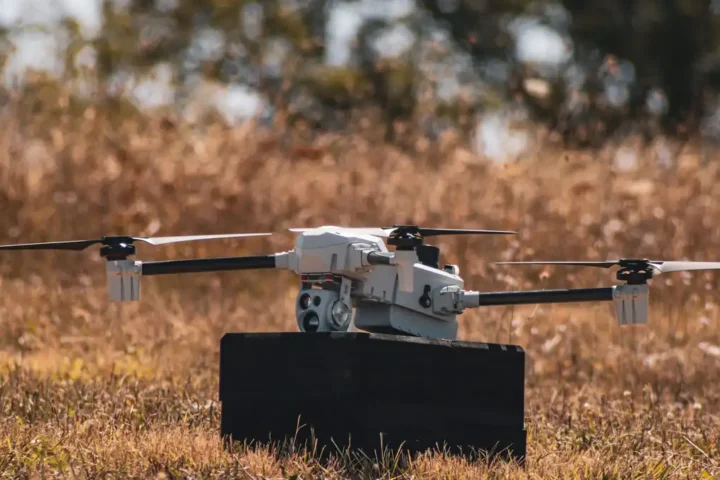
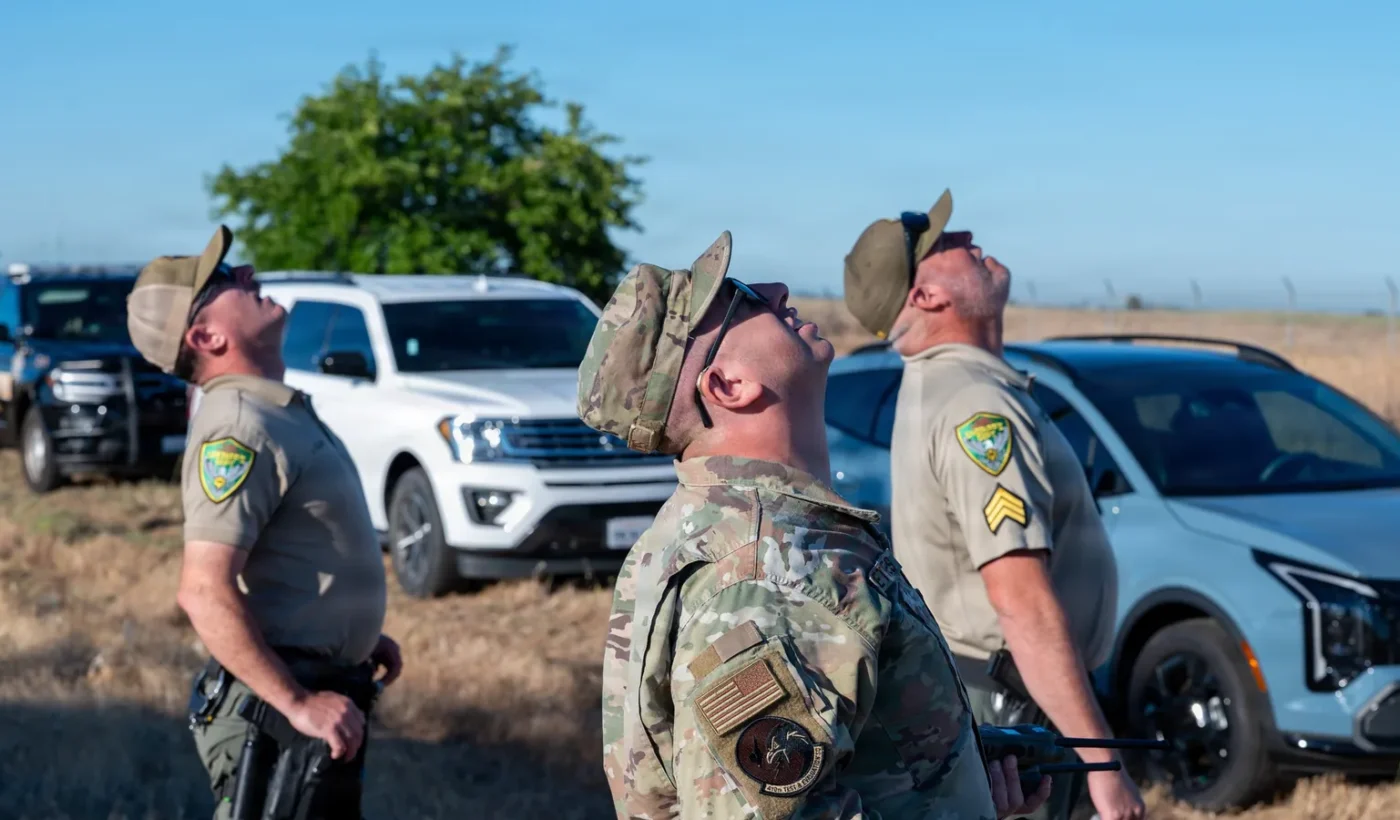
Air Combat Command is considering handing the protection of its bases against small drones to private companies, using the contractors’ own equipment and personnel. A market survey was posted on SAM.gov on October 13, with responses due by October 31.

Air Combat Command (ACC) of the US Air Force is considering assigning the protection of its bases against small drones to private companies, using the contractors’ own equipment and personnel. On October 13 it posted a market survey (a “Sources Sought” notice) titled “C-sUAS as a Service” on SAM.gov. Industry responses are accepted until October 31.
“The Air Force faces an expanding and asymmetric threat environment from unmanned aircraft that pose immediate risks to facilities, personnel, operational readiness and critical national defence assets,” the document states. ACC asks for a “comprehensive turnkey service solution” covering hardware, personnel, training, support and continuous modernisation, with mature commercial systems rather than “high-risk development programmes”.
The requirements
In a first phase the service would be tested at two bases in the continental US, which are not named, with the option to expand to other ACC bases if it performs. The system must counter Group 1 and 2 drones and, as an objective, Group 3 and other low-altitude threats. Detection must reach 3 miles from the perimeter, with a target of 5, and “engagement must occur before threats cross the perimeter”.
- The neutralisation rate for identified hostile drones, and system availability, are set at 95% as a minimum and 98% as an objective.
- The system must operate autonomously for up to 96 hours.
- Indicative means of neutralisation include electronic jamming, cyber takeover of the drone and directed-energy weapons.
- Sensors would include active and passive radars, electro-optical and infrared systems, and radio-frequency detection.
- The system would link to base operations centres, air traffic control, the Federal Aviation Administration and law enforcement.
The Air Force asks industry whether it prefers a model where “the contractor detects and tracks, the military approves and fires”, or whether the contractor can fire itself under delegated authority, and raises questions of liability.
From Shaheds to small drones
It is not clear how the idea fits with the Air Force’s plan for a new point-defence specialty for its personnel and the temporary teams of about 20 airmen at each base. The US Army, for its part, has received its first L3Harris systems, covered in our report on VAMPIRE, while in Ukraine jet-powered Geran drones at 600 km/h are straining interceptor drones, as covered in our report on the Geran.