Balkans
Kosovo: UN mission head warns tensions are “eroding trust” as Council splits over UNMIK’s future
Peter Due told the Security Council on 20 October that tensions and unresolved issues with Serbia are eroding trust in Kosovo, while the US called for UNMIK to close and Russia urged keeping it.

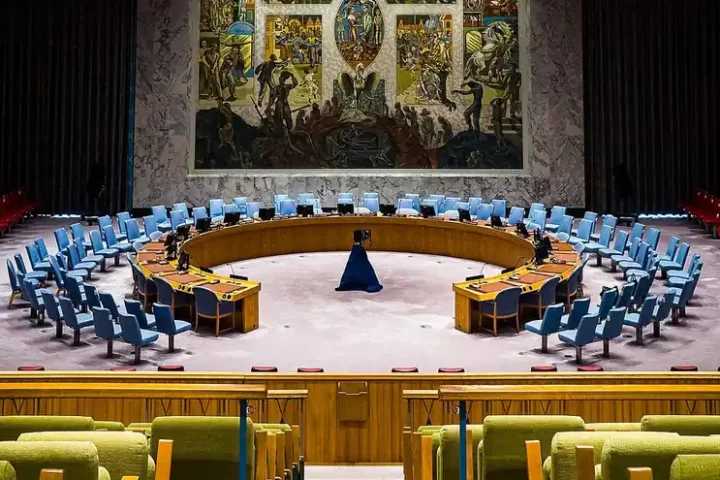
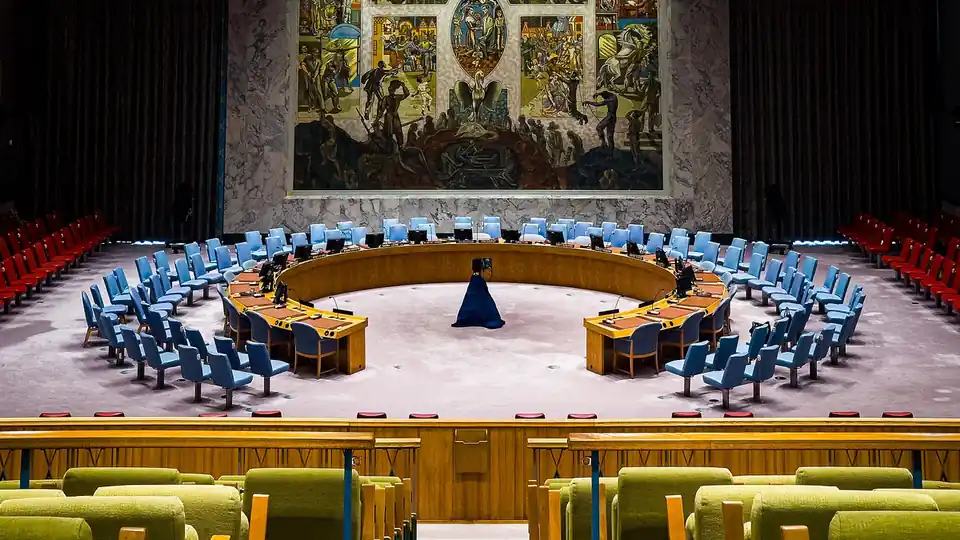
The head of the United Nations mission in Kosovo told the Security Council on 20 October that tensions between communities and unresolved issues with Serbia are “eroding trust”, even as the country completes the formation of its institutions. Council members split once again over whether the mission, UNMIK, should continue, according to the UN meeting record.
The mission head’s assessment
Peter Due, the Special Representative of the Secretary-General, said tensions rose over the past six months. He described the June elections as peaceful and inclusive, but said political uncertainty and heated rhetoric followed. Property disputes, the stalled reintegration of Kosovo Serb judicial personnel and allegations of police ill-treatment of Kosovo Serbs were, in his words, “eroding trust”.
Due welcomed the new assembly and government and the election of Justina Shiroka-Pula as president, adding that progress now has to turn into effective governance for all communities. He also told the Council that 1,577 people remain unaccounted for, urging that the search for the missing stay humanitarian and free of politics, and he voiced concern at amendments limiting the powers of the Specialist Chambers, the court that tried former President Hashim Thaçi and three other former KLA leaders, whose convictions for war crimes he reported.
Belgrade and Pristina trade accusations
Serbia’s Foreign Minister, Marko Đurić, argued that the absence of confrontation does not amount to security. He cited threats to schools and health facilities and the closure of institutions, alleged excessive police force against Kosovo Serbs and called the north a “police protectorate”. He said UNMIK remains essential and that reintegrating Serbian judges, prosecutors and court staff is key to restoring confidence in justice.
Kosovo’s representative, Glauk Konjufca, said the Secretary-General’s report was selective and that Kosovo is among the most stable democracies in South-Eastern Europe. He defended the closure of what he called “illegal structures operated by Serbia” in the north, urged accountability for the 2023 Banjska attack and called UNMIK’s mandate outdated. In a right of reply, he accused Serbia of using the meeting for domestic politics ahead of its 25 October elections.
Council members divided on UNMIK
The United States said the mission has outlived its purpose and should close, calling it an “overstaffed peacekeeping mission without peacekeepers”. The United Kingdom asked for a strategic review of UNMIK’s role and funding, a position set out in more detail in our report UK urges UN Security Council to review UNMIK and press Serbia on Banjska and missing persons. Russia argued the opposite: it called for keeping the mission’s staffing and resources, full implementation of resolution 1244 (1999) and warned against replacing NATO-led peacekeepers with Kosovo security personnel.
China urged Kosovo’s authorities to strengthen security for all communities. France called for the independence of the Specialist Chambers to be protected and for the perpetrators of the Banjska attack to be brought to justice.
Greece, a Council member, raised concerns about the amendments to the Chambers’ law and the decision not to integrate Kosovo Serb judges and prosecutors, warning that both risk undermining confidence in judicial institutions. The European Union called for conditions that allow a multi-ethnic judiciary, sustained de-escalation and non-inflammatory rhetoric from all leaders.
What happens next
Due asked the Council to keep its focus on Kosovo and said UNMIK, guided by resolution 1244, will keep promoting dialogue despite operational and financial constraints. The meeting record shows no decision was taken at the session; the debate over the mission’s future continues.