Politics & Diplomacy
Colombia: army on the streets of Cúcuta, on the Venezuelan border, with 500 elite troops after the murder of a would-be mayoral candidate and the bridge bombing
Colombian troops are patrolling Cúcuta after President Abelardo de la Espriella ordered the “immediate” and “temporary” militarisation of the border city, following the murder of a would-be mayoral candidate and a car bomb near the international bridge.

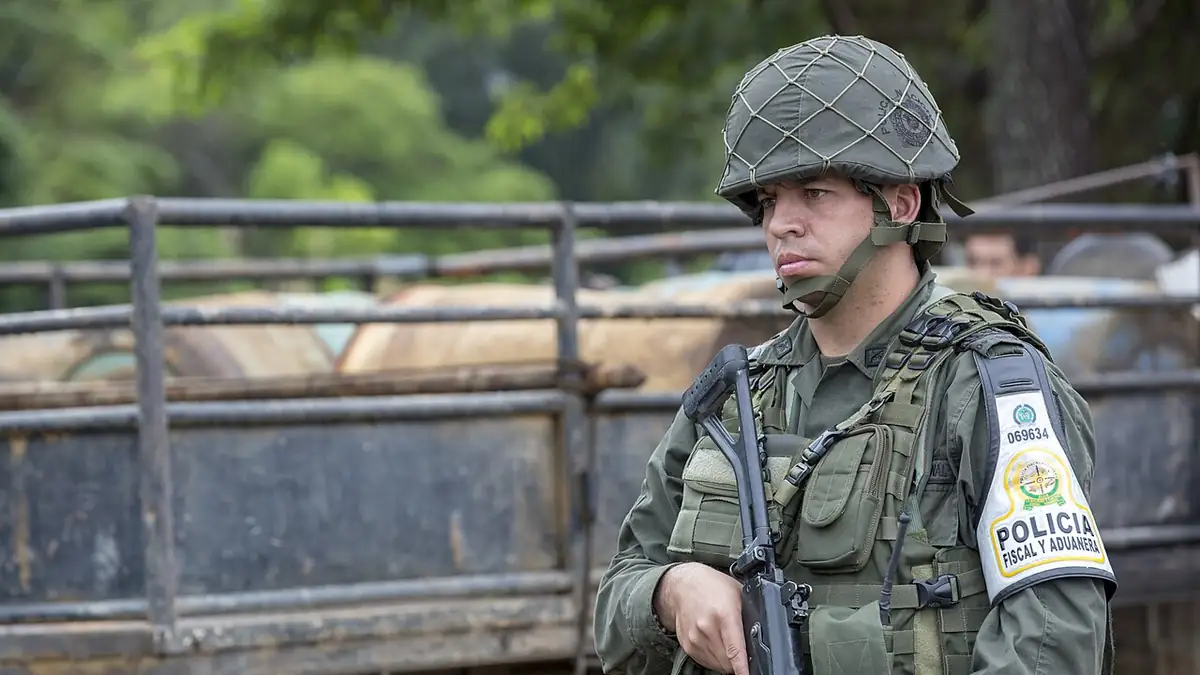
Colombia’s army has deployed and is patrolling the streets of Cúcuta, the city on the Venezuelan border, after President Abelardo de la Espriella ordered its “immediate” and “temporary” militarisation. The decision was announced on Thursday, October 29, after a week that saw the murder of a would-be mayoral candidate and the explosion of a booby-trapped vehicle next to the international bridge to Venezuela. The president said the measure will last as long as needed to restore public order.
Since Thursday evening about 500 soldiers from elite units have been patrolling neighbourhoods, roads and sensitive facilities in the capital of the department of Norte de Santander, with details of the deployment described in a report by Argentina’s Infobae. Army commander Gen. José Bertulfo Soto confirmed the presence of armoured vehicles at critical points of the city, checkpoints run by urban-operations special forces, and air surveillance by the Colombian Air Force. “The deployment will be strengthened even more in the coming days and military operations are advancing steadily across the department,” he said. He also asked citizens to report extortion to the Army’s special group.
The murder and the bridge bomb
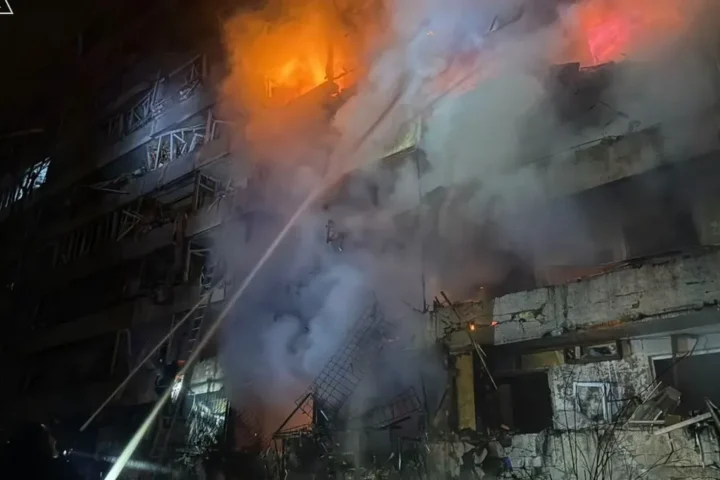
The escalation began on Monday, October 26, with the murder of Miguel Castellanos Serrano, a former government secretary of the municipality and would-be mayoral candidate, while he was travelling with his son. Castellanos, a retired police major, had worked on the city’s security and on combating organised crime. The next day a booby-trapped vehicle exploded near the premises of the national tax and customs directorate (DIAN), a few metres from the Francisco de Paula Santander international bridge, and, according to local authorities, four police officers were injured. A reward of about 11,400 euros (50 million Colombian pesos) is offered for information on the perpetrators.
Armed groups that exploit smuggling and extortion on the border are active in the area. The radio station Caracol reports that among those possibly involved in the blast is a man known as “David”, whom the authorities identify as an alleged member of the National Liberation Army (ELN).
Campaign “Sparta” from November 3
De la Espriella, who took office on August 7 and is approaching his first 100 days, instructed Defence Minister Jorge Mora, a retired general, to maintain continuous operations in Cúcuta and deliver “verifiable results”. From Tuesday, November 3 the military-police campaign “Sparta” and the Urban Security Operational Block come into operation, while the president announced he will visit the city next week. It is the second time his government has militarised a city, after Santa Marta in September. The same government has also set a new course in foreign policy, opening an embassy in Jerusalem.
On the Venezuelan side, the governor of the border state of Táchira, Freddy Bernal, advised residents to avoid non-essential travel to Cúcuta.