Politics & Diplomacy
G20 in Atlanta: no family photo because of Lavrov, and Sikorski calls for a Black Sea ceasefire for grain shipments
The G20 foreign ministers’ meeting opened in Atlanta without the customary family photo after European ministers refused to stand next to Sergey Lavrov. Poland’s Radosław Sikorski proposed an immediate ceasefire in the Black Sea for grain shipments.

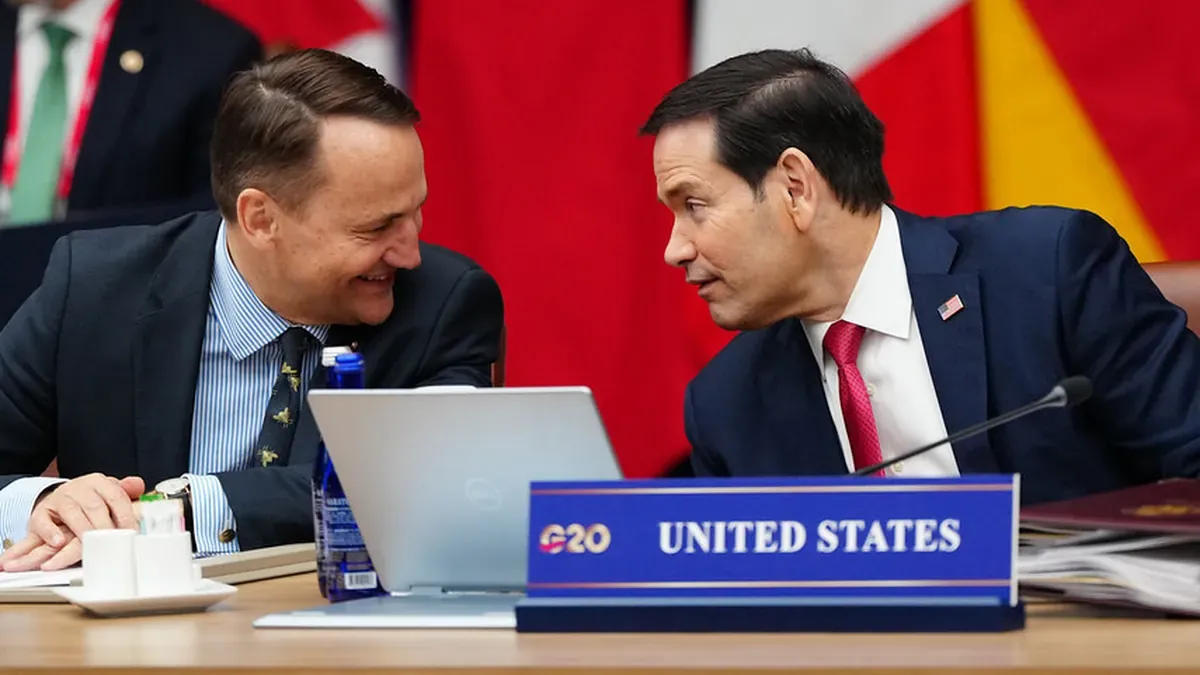
The G20 foreign ministers’ meeting in Atlanta opened on Friday, October 30 without the customary “family photo”, after European ministers, as well as the ministers of Britain and Australia, refused to stand next to their Russian counterpart Sergey Lavrov. US Secretary of State Marco Rubio, host of the meeting, decided to cancel the photo session. A US official explained to the BBC that the decision was taken when it became clear that some delegations would not take part, so that a ceremonial photo would not become a “diplomatic distraction” from the substantive discussions.
Polish Foreign Minister Radosław Sikorski, attending a G20 meeting for the first time as a guest, had said he was not “the only one who does not want to be photographed with Lavrov”. His German counterpart Johann Wadephul said that “there is no normality with Russia”, but that disagreements must be put on the table, without “falsely optimistic messages”. British Foreign Secretary Ed Miliband addressed Lavrov directly: “We all know who the aggressor is in this war.”
EU High Representative Kaja Kallas said Lavrov “presented many lies, many false narratives”, which the Europeans rebutted, and that Moscow does not appear ready to move to peace talks, noting that July, August and September were the deadliest months for civilians in Ukraine.
Sikorski calls for a Black Sea ceasefire
On the sidelines of the meeting Sikorski proposed an immediate ceasefire in the Black Sea so that grain from both Ukraine and Russia can move safely. “I spoke in favour of doing something quickly, because the peoples of the Global South need this grain,” he told reporters. He tied any return of Russian gas and oil to the European market to a fair end of the war, and rejected any peace process without Kyiv and Europe, as the Kyiv Post reported. Maritime security in the area has deteriorated, as the sinking of the Contship Jet off Bulgaria showed. The US, which holds this year’s G20 presidency, has proposed a permanent seat for Poland, while Lavrov called Poland’s invitation a violation of the principles of diplomacy, especially multilateral diplomacy based on consensus.
A “moment of choice” and no consensus
Opening the proceedings, Rubio spoke of a “critical moment”, which he called a “moment of choice”, with a series of interlinked economic and geopolitical crises. The first session was devoted to geopolitical issues, with freedom of navigation and food security at the centre. The Associated Press notes that no consensus is in sight on the thorniest issues: the war in Ukraine, the US-Israeli war with Iran, American tariffs and the South China Sea. The meeting, which Rubio had announced with navigation as its central theme, ends on Saturday, October 31, and participants expect the disagreements to prevent a joint communiqué.
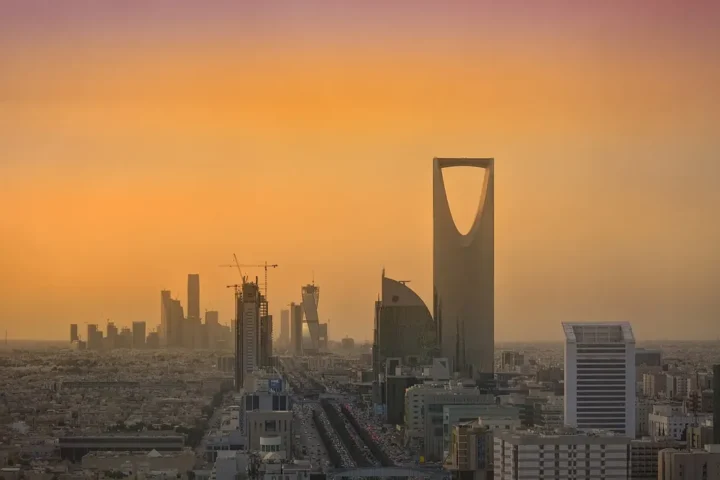
Lavrov had a short meeting with Rubio, which he described as “not bad at all, although short”, on cooperation at the UN, the G20 and APEC, adding however that Moscow sees “no real progress in practice” in relations with Washington. On the Russia-Ukraine-US talks planned for next month, he said Zelensky’s stance on long-range strikes “does not help in preparing”. Rubio also met Saudi Foreign Minister Prince Faisal bin Farhan; they discussed Iran, Sudan and Yemen and signed the agreement on US participation in Riyadh’s Expo 2030. The G20 will meet at leaders’ level in December in Miami, and it remains unclear whether Vladimir Putin will accept Trump’s invitation.