Europe
G7 foreign ministers in Paris: joint declaration on Ukraine, Iran, Hormuz and Taiwan
The G7 foreign ministers and the EU High Representative issued a joint declaration after their Paris meeting of 9-10 November, covering Ukraine, Iran and Hormuz, Lebanon, Gaza, the Indo-Pacific and Sudan.

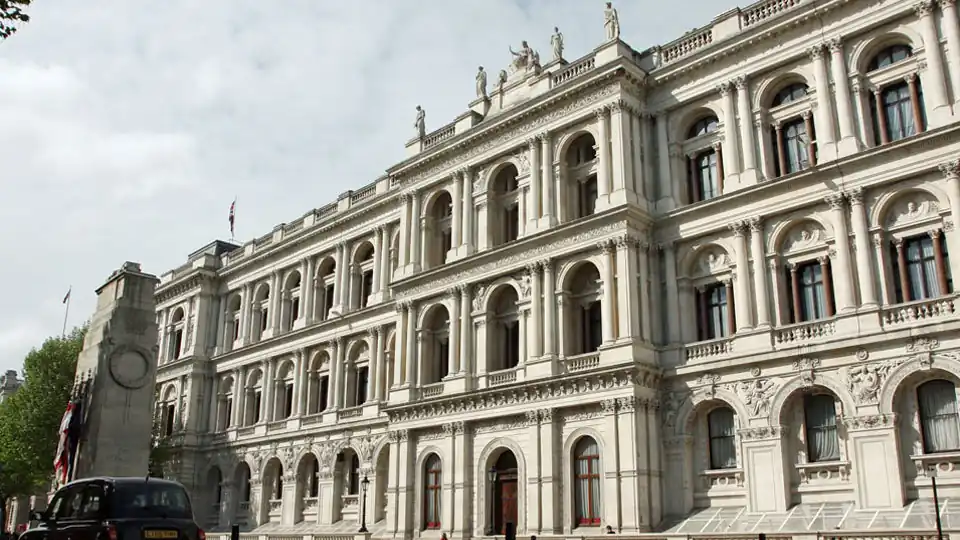
G7 foreign ministers closed their Paris meeting on 10 November with a joint declaration that covers Ukraine, Iran and the Strait of Hormuz, Yemen, Lebanon, Gaza, Syria, the Indo-Pacific and Sudan. The text, published by the UK Foreign Office on 11 November, was agreed by Canada, France, Germany, Italy, Japan, the United Kingdom and the United States, together with the EU High Representative, under the 2026 French G7 Presidency. Earlier coverage of the run-up is in our report G7 in Paris: Europe asks for a seat in the Ukraine talks – what Rubio said about security guarantees ahead of Abu Dhabi.
Ukraine: ceasefire, air defence and the shadow fleet
The ministers said they support the US-led efforts to facilitate peace through direct negotiations and stressed the importance of a “full, comprehensive, and reciprocal ceasefire”. They described a reciprocal halt to attacks on energy infrastructure and in the Black Sea as an important first step, and said negotiations on the future security of Europe must include the Europeans.
The declaration condemns strikes on civilian shipping in the Black Sea area and the military help Russia receives from North Korea and Iran, as well as weapons, training and dual-use components supplied by China. The G7 said it intends to keep acting against these countries. On sanctions, the ministers committed to close coordination and to focus on ships flying false flags or stateless vessels, and on enablers such as insurers, oil traders and intermediaries that keep the so-called shadow fleet operating. They also said they will step up financial and material support for Ukraine’s energy system through the winter and acknowledged the need to address Ukraine’s financing needs for 2027 and beyond.
Iran, Hormuz and Yemen
The G7 said Iran must never be allowed to develop or acquire a nuclear weapon and urged Tehran to resume full cooperation with the International Atomic Energy Agency. The ministers “strongly condemned” Iran’s attacks against its neighbours and the obstruction of transit through the Strait of Hormuz, rejected any tolls or fees on maritime transit, and underscored the importance of the defensive activities of U.S. Central Command to demine the waterway and escort civilian ships. They also said the France-UK multinational defensive initiative can help restore traffic, including by supporting verification that mines have been removed. The statement recognises the UK’s attribution of Iran’s involvement in the incident at RAF Fairford on 27 September; see our report on the Fuel-van plot against RAF Fairford: U.S. charges three Iran-backed operatives, with coded messages sent from jail.
On Yemen, the ministers condemned continued Houthi strikes, including against Saudi Arabia, called for a humanitarian corridor in Taiz and demanded the release of the 70 UN staff the declaration says remain detained by the Houthis. They welcomed the contribution of the EU naval operations ASPIDES and ATALANTA to security in the Red Sea and the Bab al-Mandab Strait.
Lebanon, Gaza and Syria
On Lebanon, the G7 stressed that all parties must respect the ceasefire and called for the disarmament of non-state armed groups, foremost Hezbollah. With the UNIFIL mandate set to expire at the end of the year, the ministers underlined the need for a “robust, credible, and long-lasting security architecture” in support of the Lebanese Armed Forces and welcomed the creation of the EU mission EUSM Lebanon. Background on the UN force is in our UNIFIL timeline: from 1978 to the end of the mandate in 2026.
On Gaza, the statement backs swift implementation of UN Security Council Resolution 2803, says Hamas can have no role in Gaza’s future and must decommission its weapons, and says Israel must progressively withdraw under the conditions of that resolution. It also calls for more crossings and unimpeded humanitarian aid. On Syria, the ministers backed an inclusive political transition and the integration of Northeast Syria, and expressed concern over the situation in the south of the country.
Indo-Pacific and Sudan
The G7 expressed serious concern over the East China Sea and the South China Sea, opposed unilateral attempts to change the status quo by force or coercion, and said the 2016 arbitral award is final and legally binding on the parties. On Taiwan, the ministers cited China’s “increasingly assertive activities in the waters east of Taiwan” and reaffirmed support for peace and stability across the Strait. They condemned North Korea’s nuclear and missile programmes and urged Pyongyang to withdraw its troops from the war in Ukraine.
On Sudan, the ministers said they were alarmed by the risk of famine in parts of Darfur and Kordofan, condemned violations against civilians a year after the atrocities in El Fasher, and called on outside actors to stop supplying the warring parties.
The published text does not mention Greece, Cyprus or the Eastern Mediterranean.