Politics & Diplomacy
Hegseth says US forces in Europe will shift to America or the Western Hemisphere
Pete Hegseth linked a shift of US capabilities from Europe to greater allied burden sharing and an expanding American posture in the Western Hemisphere.

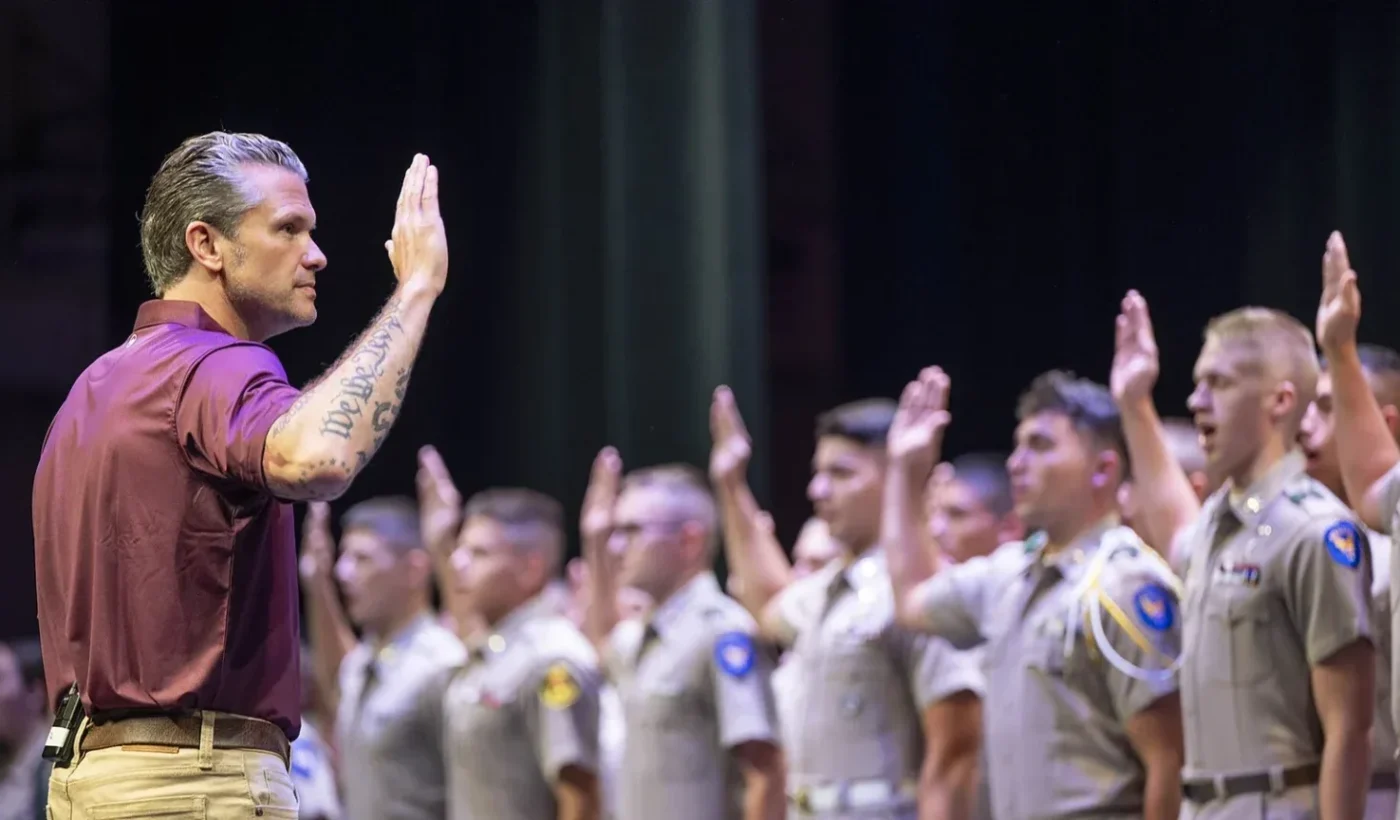
US Secretary of War Pete Hegseth said on Saturday, October 3, that some American military capabilities stationed in Europe would move either back to the United States or into a different posture in the Western Hemisphere. Speaking in Colorado Springs, he linked the change to Washington’s expanding presence in Central and South America and its demand for European allies to carry more of the burden of their own defence.
He did not specify the units involved, troop numbers or a timetable. The Pentagon’s review of its European force posture is due to conclude in December.
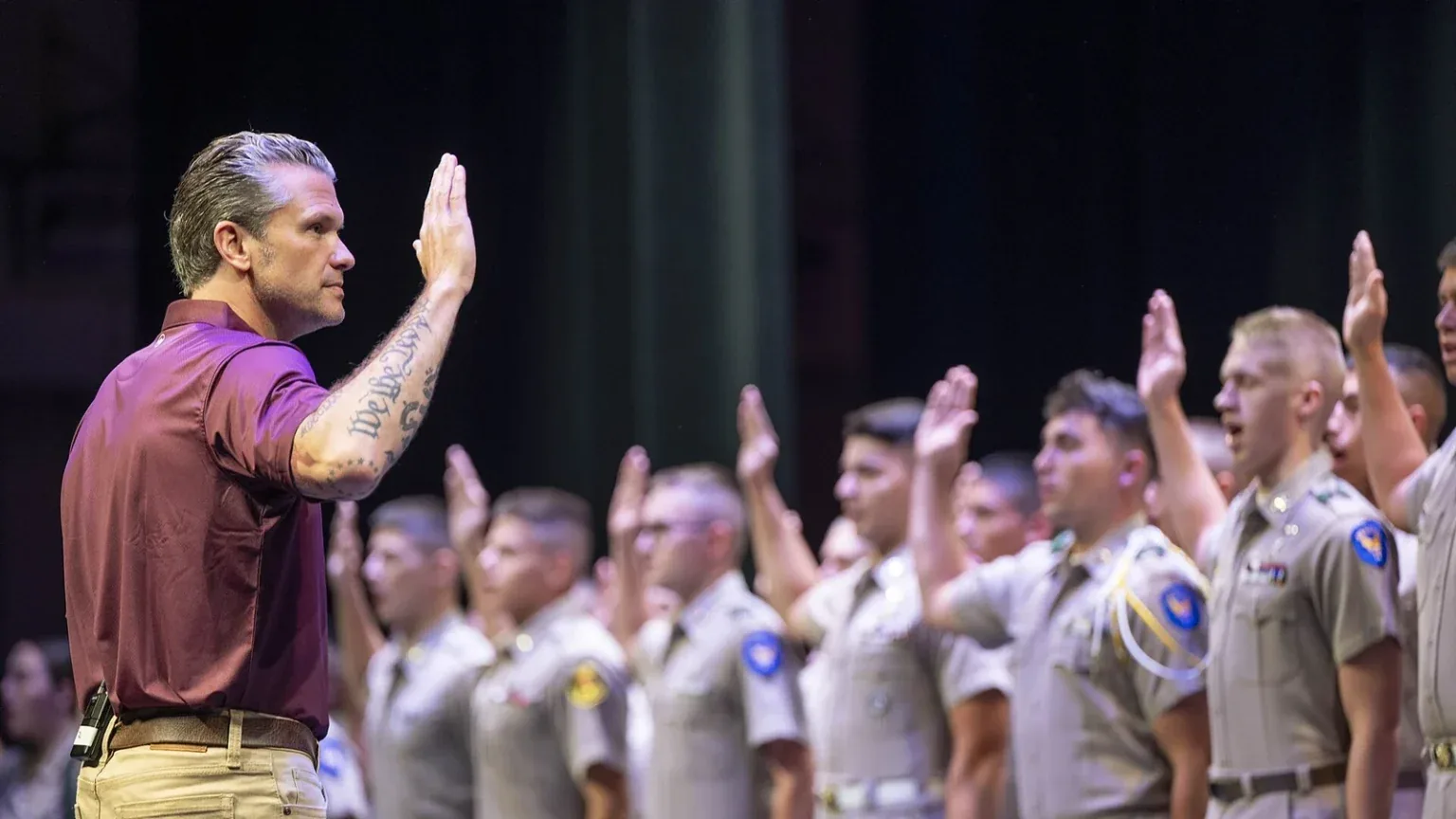
Hegseth said the administration was expanding its presence in Central and South America through partnerships and the options opened by the US operation that captured Nicolás Maduro in Venezuela. He named Ecuador, Honduras, Guatemala and Panama as partner countries, saying: “We have a whole new suite of options economically and militarily with partnerships.”
On Europe, he said the US National Security Strategy and National Defense Strategy required greater burden sharing. Some capabilities would consequently move home, including to the new large military base he had announced a few days earlier, or be repositioned in the Western Hemisphere for operations against organisations designated as terrorist groups. The remarks were reported by The Hill and subsequently carried by the Kyiv Post.
The Pentagon’s review of Europe
During his September 30 State of the Force address in Quantico, Virginia, Hegseth had invited state governors to submit proposals to host a new major military installation in the United States.
The six-month European posture review is examining how to shift more conventional defence responsibilities to NATO allies. Around 80,000 American military personnel are stationed in Europe. The review was announced in June and includes consultation with Congress.
The Kyiv Post cited scenarios previously reported in US defence media involving possible reductions of between 25,000 and 40,000 personnel, mainly from Germany, Italy and Spain. These figures remain reported scenarios rather than an officially announced withdrawal decision.
In South America, the United States does not maintain large permanent military bases, but it has deployed naval and air assets against drug-trafficking networks. The Kyiv Post reported that US forces had carried out at least 70 strikes against vessels in the Caribbean and eastern Pacific since September 2025, killing 234 people whom Washington describes as narco-terrorists.