Europe
Hungary marks 1956 uprising at 70 as only Costa and von der Leyen join Magyar from the EU leadership
Hungary's 70th anniversary of the 1956 revolution drew Costa and von der Leyen to Budapest, while Macron, Tusk and Zelensky stayed away.

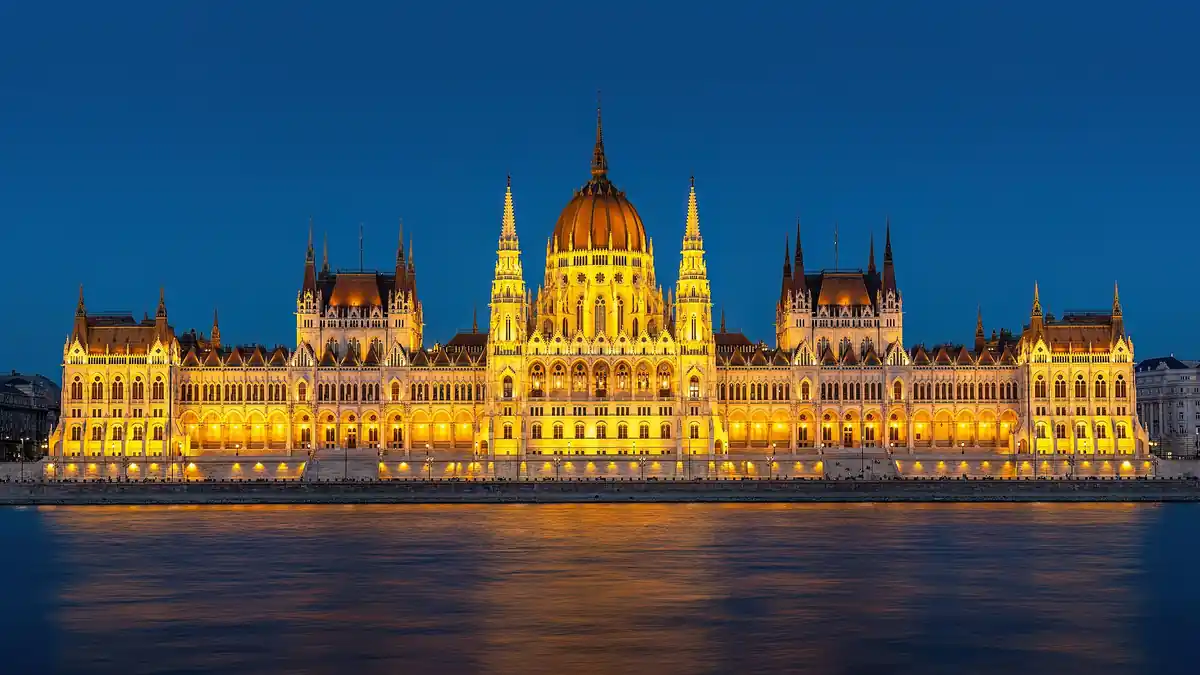
European Council President António Costa travelled to Budapest on 23 October 2026 and addressed the Hungarian National Assembly on the 70th anniversary of the 1956 revolution, according to the Council’s announcement. He and European Commission President Ursula von der Leyen were the most senior EU figures at a commemoration that Hungarian Prime Minister Péter Magyar had hoped would draw many more world leaders.
A guest list thinner than planned
Euronews reported that Magyar had wanted to welcome some of the world’s most senior leaders to the capital for the anniversary of the anti-Soviet uprising. In April he said he hoped the US Secretary of State, the Vice President or the President might visit. In the end the French President Emmanuel Macron, Polish Prime Minister Donald Tusk and Ukrainian President Volodymyr Zelensky did not attend. Ukraine was represented by its parliamentary speaker, and the president’s office said that visit was arranged independently.
About 40 countries sent delegations, Euronews said, but most EU member states were represented by ministers or parliamentary speakers rather than heads of government. Moldova’s President Maia Sandu and Georgia’s Prime Minister Irakli Kobakhidze also travelled to Budapest. Sources close to the Hungarian government told Euronews that many invitations went out only in September, when leaders’ diaries were already full, and that communication between the prime minister’s office and the foreign ministry had been poor.
Tensions with Paris and Kyiv
Euronews linked Macron’s absence to a row over a social media post in which Magyar tied riots in France to migration. The French embassy in Budapest announced the day after the post that Macron would not attend, adding that a visit had never been confirmed. Macron later criticised what he called “stupid comments” by foreign leaders on the unrest. Magyar’s response to Zelensky’s openness to visiting Budapest also drew pushback from Zelensky’s adviser Dmytro Lytvyn, according to the same report.
The invitation to Kobakhidze was criticised too. Brussels has faulted his Georgian Dream party for its close ties to Russia, for derailing Georgia’s EU path and for its crackdown on dissent. A Hungarian foreign-policy expert quoted by Euronews, István Szent-Iványi, said the guest was invited as a matter of protocol.
A signal from Brussels
The presence of the two EU presidents was read as support for Magyar’s pro-European line after the end of Viktor Orbán’s time in office. “Six months ago the people of Hungary voted for a new chapter,” von der Leyen said in Budapest, according to Euronews, speaking of turning the page on years of division and eroded trust. Szent-Iványi called the guest list “modest” but said her presence confirmed that the election meant Hungary “returning to Europe”.
The two EU leaders had initially been expected to miss the event because of an EU-Gulf Cooperation Council meeting planned for Saturday in Riyadh. Its postponement the previous week cleared their diaries.
Why it matters
The 1956 uprising against communist rule was crushed by Soviet troops, and its anniversary has long been a political set piece in Hungary. Next on the calendar, the Council has announced an EU-Western Balkans summit in Brussels on 25 November, followed by a Special European Council on 26 and 27 November.