Middle East & North Africa
Iran: Revolutionary Guards captain killed in the Qandil mountains as operations against PJAK escalate
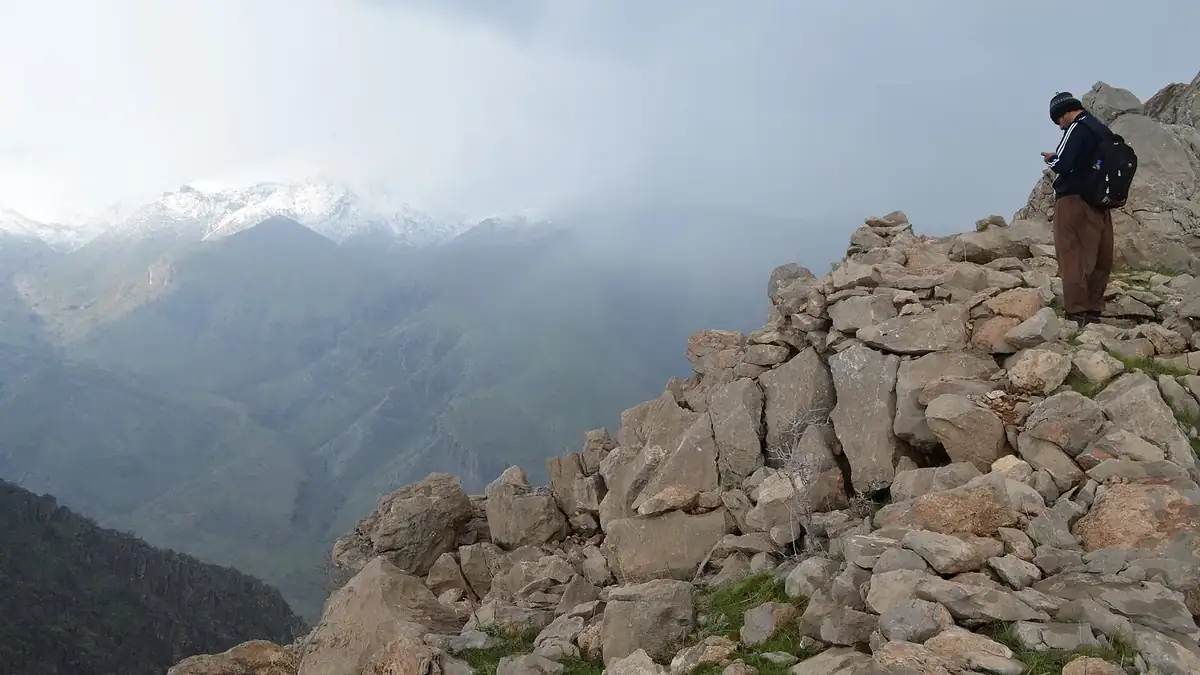
An IRGC captain, Sina Ahmadi, was killed on October 17 in the Qandil range on the Iran–Iraq border, as Iranian forces step up drone and artillery operations against the Kurdish group PJAK in western Iran.

An Iranian Revolutionary Guards captain, Sina Ahmadi, was killed on Saturday, October 17 in the Qandil mountains along the Iran–Iraq border, according to Rudaw, which cites the IRGC-linked local outlet Fateh Urmia. The Fars news agency also reported his death. The Guards have not said how he was killed, referring to him only as a “martyr”. Ahmadi came, as condolence messages indicate, from Khoy in West Azerbaijan province.
The death has fuelled rumours of growing clashes, the Jerusalem Post notes. The Qandil range is known as the area of operations of the PKK, which has bases there in northern Iraq, while Iranian Kurdish opposition groups also operate in the wider border region. One of them is the Kurdistan Free Life Party (PJAK), regarded as effectively the Iranian branch of the PKK. The paper asks why the Guards, who strike the known camps of other groups in Iraqi Kurdistan with drones, struggle against PJAK in the mountains.
Drones and artillery in the Shaho mountains
The death coincides with an escalation of IRGC operations against PJAK in the Shaho range of western Iran, in the provinces of Kermanshah and Kurdistan. In recent days Iranian forces have brought in explosive-laden drones and heavy artillery to drive the group’s fighters out, and on Sunday they struck mountain and forest areas near Marivan, according to the Kurdistan Human Rights Network. PJAK’s armed wing, the Eastern Kurdistan Units (YRK), warned that it would exercise its “legitimate right of self-defence” if the attacks continue. Iran had deadly clashes with the group in June, and ground operations by Iranian special forces in Iraqi Kurdistan were reported in August.
Meanwhile Iran’s ambassador in Baghdad, Mohammad Kazem Al-e Sadegh, claimed that Iraq had agreed either to expel the Iranian Kurdish opposition groups based in Iraqi Kurdistan or to hand them over to Tehran. The Kurdish authorities in Erbil are concerned by the Iranian threats and are pressing the groups not to use their territory for attacks, with the PDKI saying it will not send fighters across the border. All this is happening while Iran is at war with the United States and Israel and Turkey is advancing a peace process with the PKK.