Politics & Diplomacy
Local ceasefire in Oleshky, Kherson, from October 29, brokered by Melania Trump, with humanitarian aid and evacuation of civilians
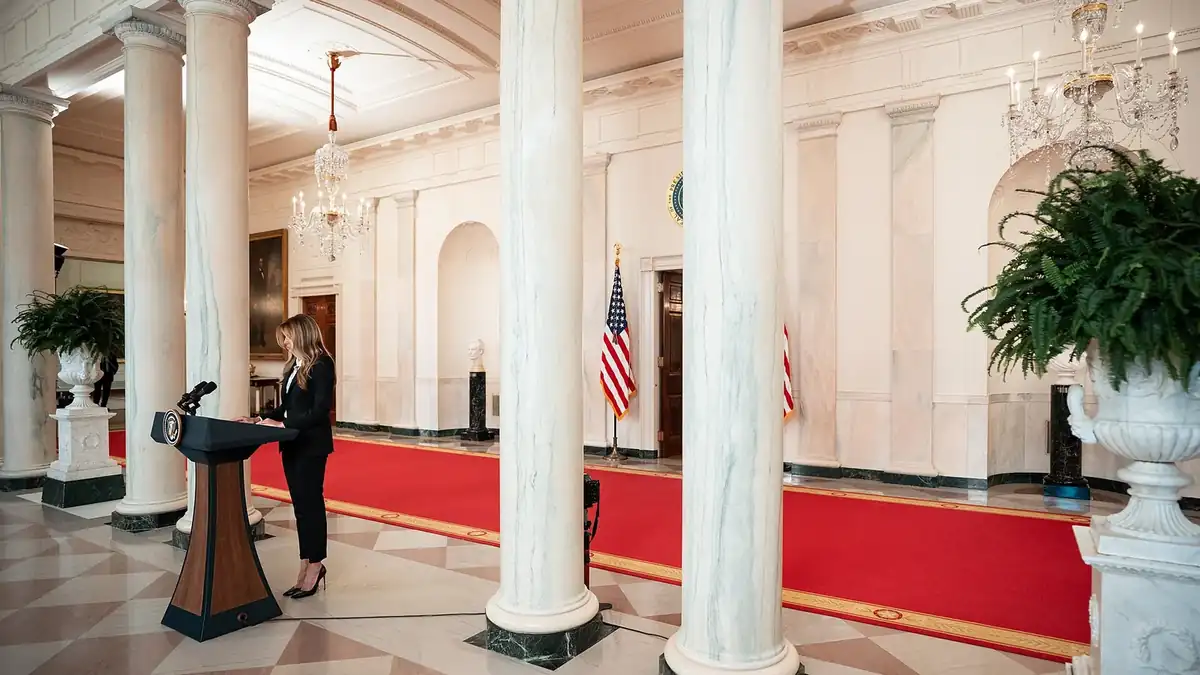
Russia and Ukraine agreed to a local ceasefire in the southern Ukrainian city of Oleshky, mediated by US First Lady Melania Trump, the White House announced. It starts on October 29 to allow humanitarian aid in and civilians out through a safe corridor.

Russia and Ukraine have agreed to a local ceasefire in the city of Oleshky in southern Ukraine, mediated by US First Lady Melania Trump, the White House announced. The two countries accepted a temporary halt to all military activity in the city so that humanitarian aid can enter and the evacuation of civilians can be prepared through a designated safe corridor. The ceasefire begins on October 29, 2026.
“The situation in Oleshky is tragic. Oleshky is a front-line city of the war, on the verge of destruction. The remaining population consists mainly of elderly people, who urgently need medical care, medicine, food and clean water,” Melania Trump said. “Residents have limited electricity, live among mined roads and are regularly subjected to military attacks,” she added.
How the agreement will work
The First Lady and her spokesperson worked directly with the Russian and Ukrainian leaderships to set the terms. The White House says she initiated the talks and coordinated the parties on the objectives, technical procedures, timetable and conditions, as the “exclusive mediator.”
“Non-military civilian officials from both countries will visit the residents of Oleshky together in their homes and determine what help they need. Those who wish to leave will have coordinated support and transport to the destination of their choice. I expect that some will want to go to Russia and some to Ukraine,” she explained. She added that she had secured an impartial American media outlet that will accompany and record the Russian and Ukrainian teams throughout the process.
The issue came to her attention in a private conversation at an event of hers in New York, on the sidelines of the 81st UN General Assembly. “We immediately made use of the channel of communication we had established with Russia and Ukraine through the six previous reunifications of 34 children. Both countries immediately designated teams for coordination, including for demining,” she said.
The city across from Kherson
Oleshky lies on the left bank of the Dnipro, directly opposite Kherson, in the part of the region held by Russian forces. Before the war it had about 24,000 residents. Today an estimated 1,700 to 2,000 remain, mostly elderly people who could not leave, and about 50 children. After the destruction of the Kakhovka dam, about 90% of the city was flooded. The agreement comes as Zelensky has spoken of a “freeze” of the front and Witkoff is carrying a new peace proposal.