Europe
Rutte: A clean victory for Ukraine or Russia is unlikely – the war will end with a peace deal and a compromise
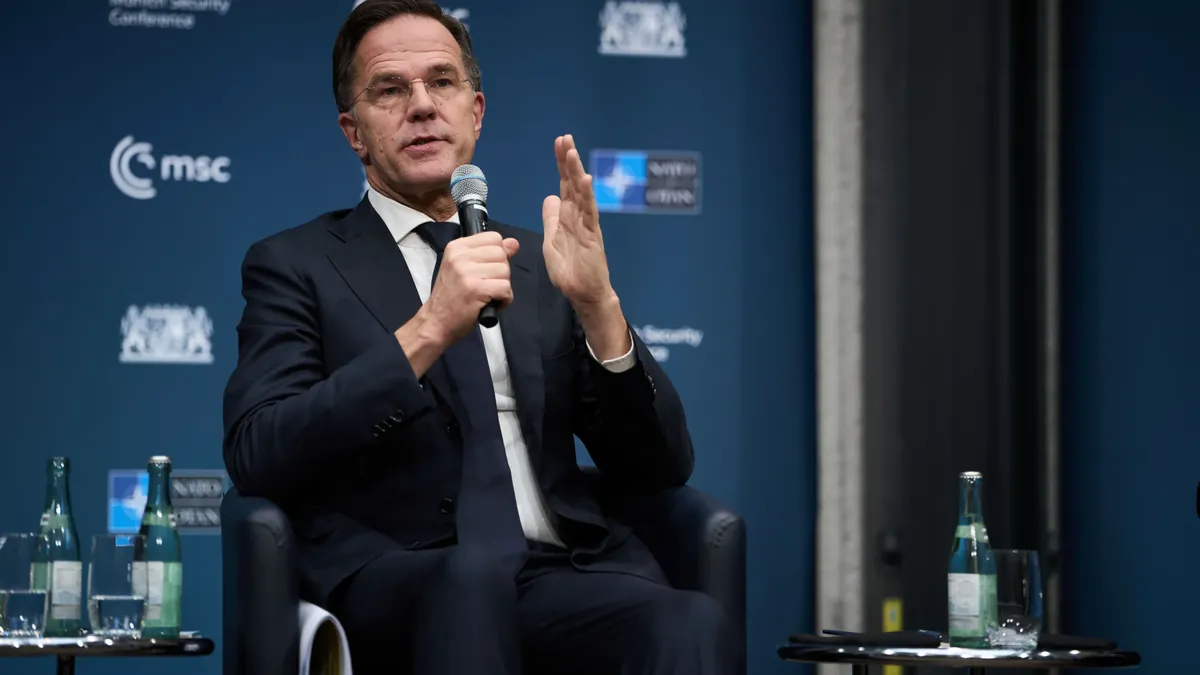
NATO Secretary General Mark Rutte said neither side is likely to win the war in Ukraine outright and that such wars always end with a peace agreement, often a kind of compromise.

Neither of the two adversaries is likely to win the war in Ukraine outright, NATO Secretary General Mark Rutte assessed in the Dutch television programme Pauw & De Wit. “Wars of this kind always end with a peace agreement, which is often a kind of compromise,” said the former Prime Minister of the Netherlands.
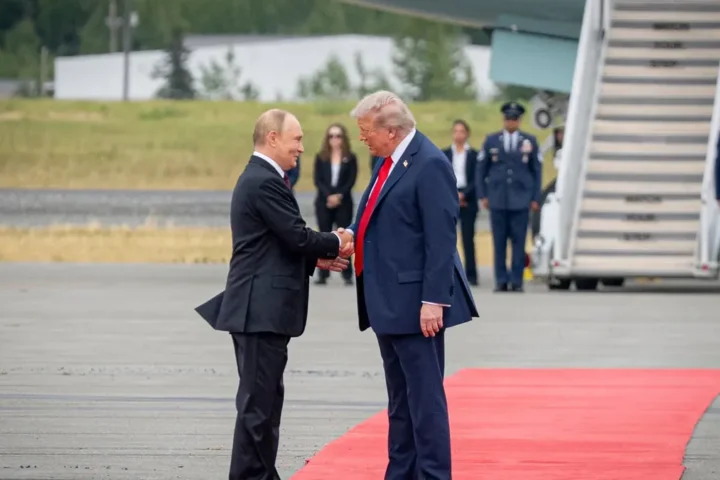
Mr Rutte said he speaks every week with Ukrainian President Volodymyr Zelensky, whom he expressed admiration for. He also said that it matters that there is a working relationship between Donald Trump and Vladimir Putin. He declined, however, to judge the agreement of the two leaders that allows imports of Russian diesel into the US; see our report on the diesel deal.
The Secretary General also revealed that after the Republican defeat in the midterm elections he sent Trump a short message: “Keep your head up and let’s move on.” He also admitted it was a “big mistake” to have called the American president “daddy” in the past, a phrase for which he had been criticised for flattering Trump. NATO, he said, is “a platform for the Americans to project their power, which is very much in our interest, because we, as Europe, are not yet able to do it on our own”.
The Russian threat and the need for the US
On European security, Mr Rutte noted that the Russian threat “is not manifesting itself directly on our borders now”, because many Russian soldiers are busy in Ukraine. He warned, however, that when the fighting stops, Moscow will still have a large army at its disposal. He repeated that the United States remains indispensable for Europe’s defence, and said he has explained to Zelensky that some kinds of military aid Ukraine needs can only be provided by the Americans.
A week of movement on aid to Kyiv
The interview comes in a week of activity around defence aid for Kyiv. Shortly before, the NATO-Ukraine Council met in an emergency session, while Washington is asking allies for new funding for PURL, the mechanism by which Europeans buy American weapons for Ukraine. Finland says the Patriots have been paid for but not delivered; see our report on the Finnish defence minister’s remarks.
On the diplomatic front, US envoy Steve Witkoff has said Washington will facilitate Ukraine–Russia talks at a technical level in Abu Dhabi on November 10 and 11. The Russian diesel deal, meanwhile, has already run into practical obstacles. Two tankers heading for the US changed course, as potential buyers worry about sanctions and legal risks.