Politics & Diplomacy
Trump rejects Iran’s seven-day Hormuz proposal as officials foresee renewed strikes
Trump confirms he rejected Iran’s seven-day Hormuz proposal. Officials cited in a separate report say he expects renewed US strikes after the November midterms.

President Donald Trump said on September 26 that he had rejected Iran’s proposal to reopen the Strait of Hormuz and halt fighting across the Middle East. His public confirmation followed a report that he had told advisers another US bombing campaign against Iran was likely after the November midterm elections. That private assessment remains attributed to unnamed American officials; no decision to launch new strikes has been announced.
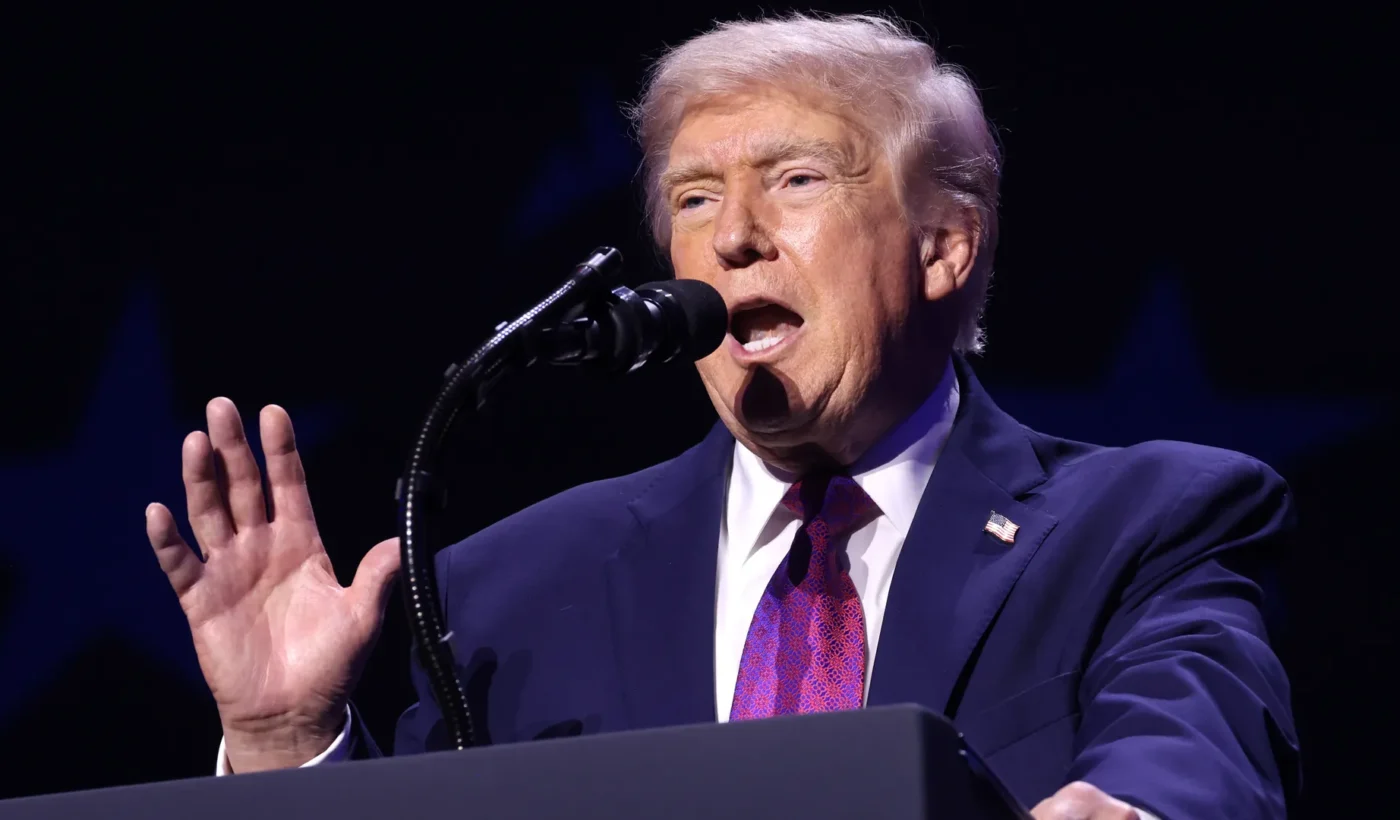
Speaking to reporters at the White House before departing for Tennessee, Trump said he had rejected Tehran’s deal. He argued that Iran wanted the waterway opened because it was under economic pressure. His remarks confirmed the refusal first reported the previous day, while leaving open whether Washington would present a counterproposal.
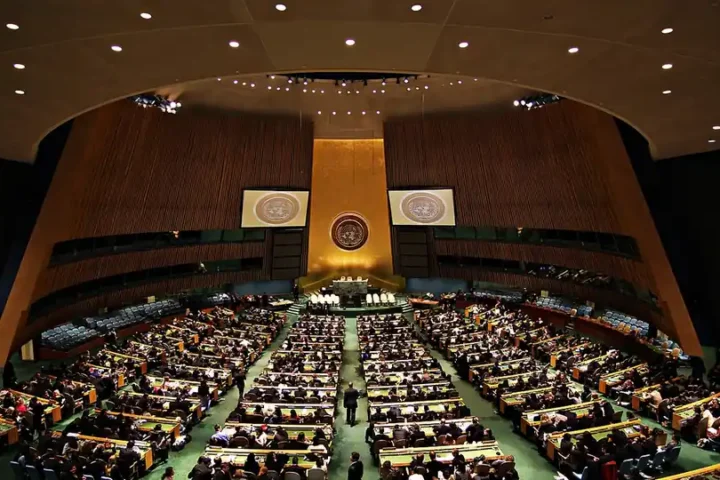
Iran’s initiative was delivered through Qatari mediators during the United Nations General Assembly in New York. Foreign Minister Abbas Araqchi said on September 25 that an agreement could start a seven-day countdown to reopening the strait and pausing regional hostilities. He said wider talks could follow on subjects agreed by both sides. Tehran has linked renewed shipping access to an easing of US military pressure and the American blockade of Iranian ports.
The Wall Street Journal reported, citing US officials it did not name, that Trump was sceptical Iran would satisfy his demands and considered renewed US bombing after the November 3 congressional elections likely. That account describes his private expectations, not a formal US military plan or an announced timetable for attacks. The president’s public comments on Saturday concerned the Iranian proposal itself.
The nuclear issue remains a separate obstacle. A senior Iranian official said Tehran would not offer concessions over uranium enrichment or the removal of highly enriched uranium even if Washington accepted the Hormuz proposal. Iranian President Masoud Pezeshkian has said his country is willing to discuss its nuclear programme but will not accept coercion. Trump has repeatedly insisted that Iran must never obtain a nuclear weapon.
In his September 22 address to the General Assembly, Trump warned of severe escalation if no agreement was reached, while predicting that a deal could come after the US elections. His latest rejection comes after months of intermittent strikes and diplomatic contacts in a war that began with US and Israeli attacks on February 28. The conflict and restrictions on passage through Hormuz have disrupted a major route for Gulf oil exports.
Araqchi said on Friday that the elements of Iran’s proposal were ready if Washington was serious about an agreement. An American official had described mediated discussions as constructive before Trump’s public rejection. Iranian officials say they are still waiting for a formal US response.