Middle East & North Africa
UN Security Council meets on Iran on 27 October after the IAEA Board’s first referral in 20 years
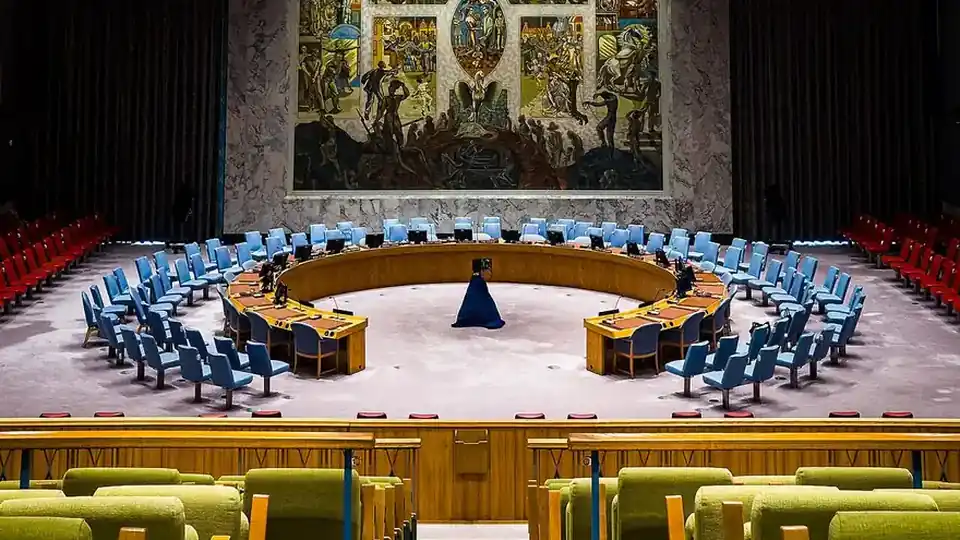
The Security Council held a briefing on Iran on 27 October, focused on the IAEA Board of Governors’ 9 September referral over Tehran’s non-compliance with its safeguards obligations.

The UN Security Council was due to hold a briefing on Iran at 10 a.m. on 27 October under its “Non-proliferation” agenda item, with the meeting focused on the recent referral of Iran to the Council by the Board of Governors of the International Atomic Energy Agency (IAEA), according to the UN’s meetings coverage service.
The IAEA Board referral
Al Jazeera reported on 9 September that the 35-member Board approved a resolution reporting Iran to the Security Council for breaching its non-proliferation obligations, the first such step in 20 years. At least 23 members voted in favour, while Russia, China and Niger opposed. The United States, France, Germany and the United Kingdom had lobbied members beforehand, the broadcaster said.
The text, as quoted by Al Jazeera, noted “with grave concern” Iran’s continued non-compliance and called on Tehran to “urgently remedy its non-compliance”. IAEA Director General Rafael Grossi told the Board that the agency’s lack of information about the facilities and nuclear material, and its inability to verify them, was “a matter of serious proliferation concern”.
Positions of the parties
The European Union said in a statement that Iran had suspended its cooperation with the IAEA and refused inspections, and that it was “critical and urgent” for Iran to provide verifiable declarations on the quantity and whereabouts of its nuclear material.
Iran’s mission to the UN rejected the resolution. It said the current situation was created “solely” by what it called “criminal acts of aggression” by the United States and Israel, according to Al Jazeera. Iran has repeatedly said it is not building nuclear weapons. Since the US and Israeli strikes on Iran in June last year, IAEA staff have not been able to inspect Iran’s three nuclear facilities, which were reportedly badly damaged or destroyed, Al Jazeera wrote. The IAEA suspects Iran holds about 400 kg of highly enriched uranium, the same report said.
Limited room for Council action
Al Jazeera assessed that the Council is unlikely to take action because Russia and China, Iran’s allies, hold vetoes. At the time of writing, the UN had not yet published a record of what was said at the meeting.
The briefing comes as regional diplomacy continues. Our earlier reports covered Guterres in Cairo: Iran and the US must avoid escalation that could spiral “out of control” and the Saudi, Pakistani and Turkish delegations’ visit to Tehran as Trump weighs a deal or renewed strikes.