Politics & Diplomacy
US and Iran pursue indirect talks on Hormuz as Qatar presses new proposal
Qatari mediators are pursuing separate US and Iran talks over a revised Hormuz proposal, with sanctions, maritime access and nuclear inspections still unresolved.

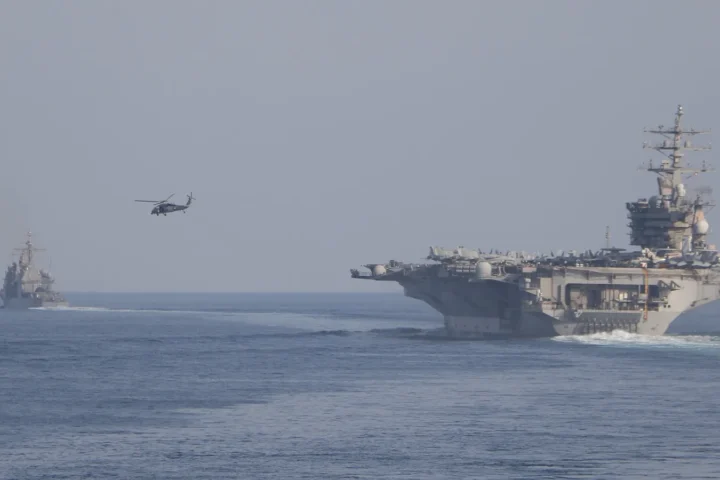
Qatari mediators are pursuing separate contacts with Iran and the United States over a revised proposal to end their conflict and reopen the Strait of Hormuz, even after President Donald Trump rejected Tehran’s earlier seven-day plan. The diplomatic effort was continuing on Monday, September 28, but neither side had announced an agreement.
Iranian Foreign Minister Abbas Araghchi remained in New York after the UN General Assembly. Iran’s semi-official ISNA news agency said he would meet mediators there on Monday morning to examine the latest proposals. Foreign Ministry spokesperson Esmaeil Baghaei said Araghchi had not extended his New York stay and was due to return to Tehran on his original schedule. Baghaei did not comment on the reported talks.
An official briefed on the negotiations told Reuters that Qatari mediators were likely to speak separately with Araghchi and the US side on Monday or Tuesday. The official said the discussions would focus on an amended version of the proposal Iran presented last week. The identity of the US representative was not immediately clear. Officials who described the discussions were speaking anonymously, and the proposed terms have not been publicly agreed by Washington and Tehran.
The strait and sanctions remain central
Iran’s previous proposal called for a halt to hostilities in Iran and Lebanon, the release of frozen Iranian assets, relief from sanctions on Iranian oil and an end to the US blockade of Iranian ports. Tehran would then allow shipping to resume through the Strait of Hormuz, while talks on its nuclear programme would restart. Trump said on Saturday that he had rejected the offer, though he subsequently indicated that further talks could take place this week.
Officials involved in the mediation told The Associated Press that a draft now under discussion would first reopen the strait and lift the US blockade, with sanctions addressed afterward. They said the shipping arrangement would be connected to separate discussions between Iran and Oman. Those details remain a negotiating position, not a final deal. One regional official said Washington was seeking Iranian concessions on nuclear inspections, while US officials described unresolved differences over the timing and order of each side’s steps.
The nuclear question is a major obstacle. A senior US official said Trump remained open to a negotiated resolution, while another said Washington would not conclude an agreement without progress on the nuclear file. Iranian officials have signalled willingness to discuss that issue, but the two governments have not settled how sanctions relief, inspections and maritime access would be sequenced.
Araghchi said on Sunday that mediators had not formally conveyed a US rejection to Iran and that Tehran was awaiting a definitive American response. He reiterated that reopening the strait depended on Iran’s conditions being met. UN Secretary-General António Guterres was also expected to meet Araghchi on Monday, according to a UN spokesperson.