
Middle East & North Africa
Yemeni government forces claim Bab el-Mandeb gains as offensive targets Sanaa
Yemeni government forces say they captured Dhubab and positions around Bab el-Mandeb as the Saudi-backed offensive expands towards Sanaa. The Houthis deny territorial losses.

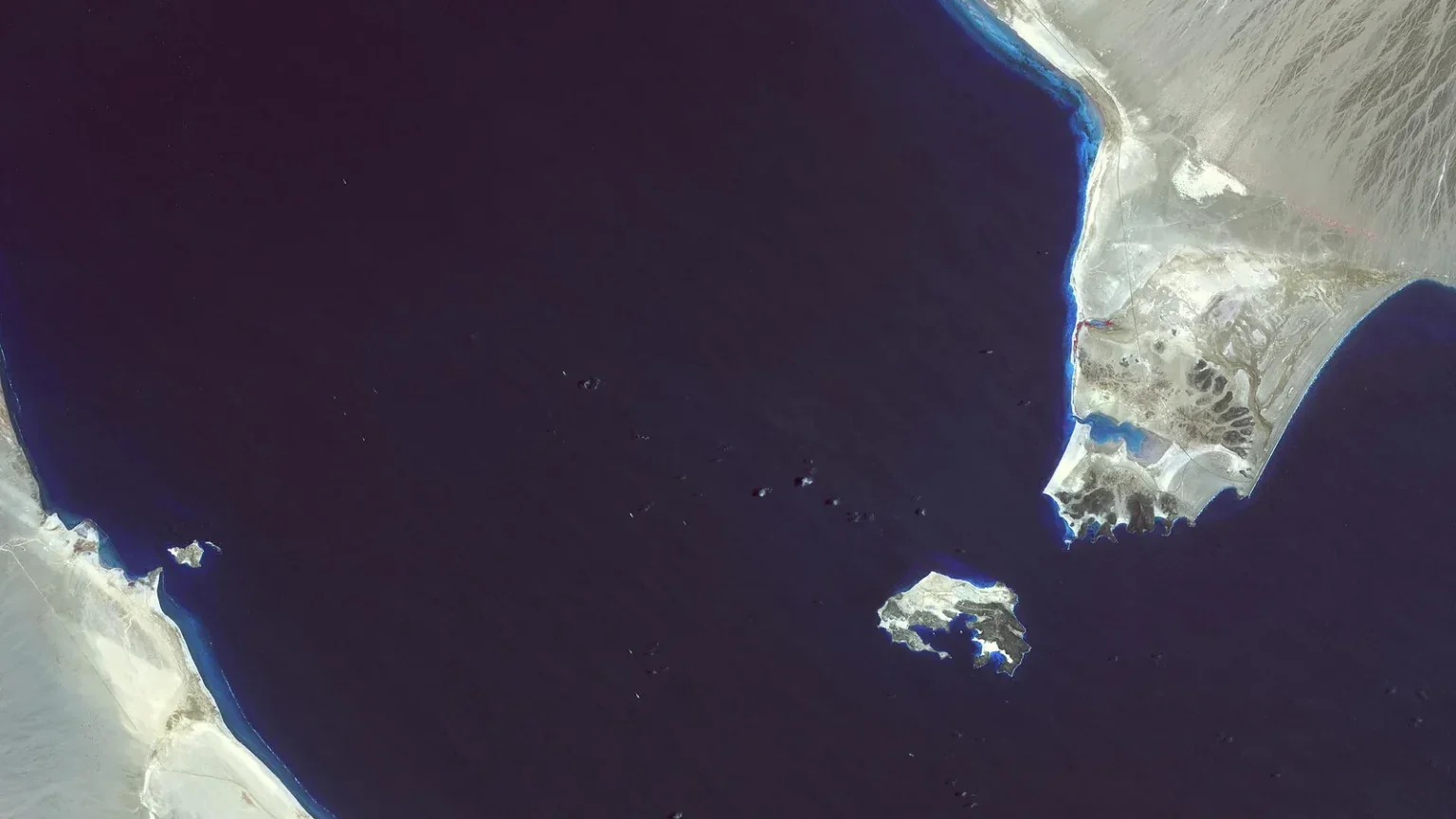
Yemen’s internationally recognised government said on Monday, October 5 that its forces had captured Dhubab district and key positions around the Bab el-Mandeb Strait, with air support from the Saudi-led coalition. The advance followed President Rashad al-Alimi’s announcement a day earlier of a campaign to recover territory held by the Houthis.
The Houthis denied losing ground. The competing accounts of territorial control had not been independently confirmed. Government forces’ new announcements concern operations on the ground, following earlier preparations for an offensive near the strait.
In its official account of the Dhubab operation, the military said Nation’s Shield Forces and the Giants Brigades had advanced after a large-scale assault supported by airstrikes. It said troops took important positions and severed roads and supply routes leading to Bab el-Mandeb, in western Taiz governorate.
Armed Forces spokesman Colonel Majed al-Nuzayli said an outflanking manoeuvre had brought Dhubab airport under government control and placed the Dhubab–Mokha road under fire control. Hundreds of Houthi fighters had been surrounded and called on to surrender, he said, adding that some had escaped by boat.
Information Minister Moammar al-Eryani told Reuters that government forces had established “effective control” of the strait, although fighting continued. Another government source said clashes were still taking place at a military base near the passage. The Houthis described reports of a government advance as “completely untrue.”
Coalition spokesman Major General Turki al-Maliki said 100 fighter jets were providing round-the-clock support for Yemeni ground forces and air protection over Bab el-Mandeb. He said 324 high-value targets had been destroyed and that operations against moving targets were continuing. These were coalition figures.
Offensive towards Sanaa
Yemen’s armed forces also announced a strategic offensive towards Sanaa, which the Houthis have controlled since 2014. Al-Alimi named the operation Dawn of Yemen, identifying the restoration of state institutions and the recovery of the capital as its objectives.
The Houthi-controlled health ministry said strikes in the Sanhan and Sa’wan areas of Sanaa province had killed two people and wounded seven.
Accounts from the Taiz front remained contradictory. Five government sources told Reuters that Houthi forces had advanced and controlled sections of the mountainous road towards Aden. Another government source denied that the road had been cut.
Warning over Saudi airspace
On Monday, the Houthis’ maritime coordination body warned airlines that Saudi airspace would not be safe while what it called Riyadh’s aggression continued, Reuters reported. The warning came as the coalition pursued its air campaign.
US Secretary of State Marco Rubio said the same day that Washington intended to honour its defence and security agreement with Saudi Arabia. Speaking to reporters before a European visit, he said the kingdom was being attacked and had a right to defend itself.
In Riyadh, the strategic political and defence committee established under the Mecca defence agreement met on Monday, bringing together the foreign and defence ministers and military chiefs of Saudi Arabia, Türkiye and Pakistan. Pakistan’s foreign ministry said the agenda covered regional developments and cooperation under the agreement.
Pakistani Foreign Minister Ishaq Dar had also said an Iranian proposal for political engagement with the Houthis would be discussed. No joint statement had been made public by Monday afternoon, while the coalition said its air operations were continuing.