Technology
Lockheed Martin’s mysterious stealth aircraft points to Vectis
A cryptic Lockheed Martin video has revived attention around Vectis, the survivable Collaborative Combat Aircraft being developed by Skunk Works.

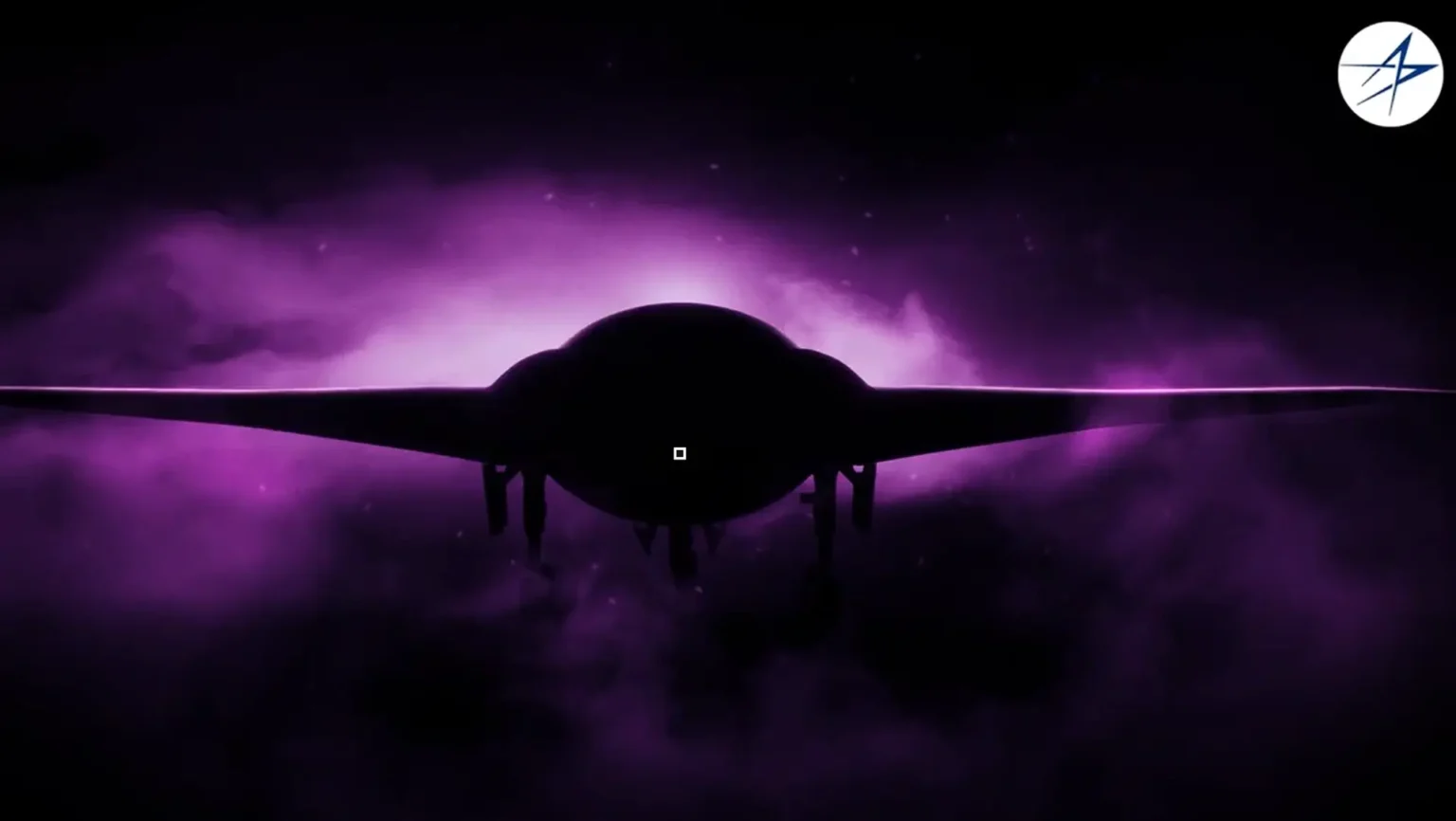
A short video posted by Lockheed Martin on X, lasting only a few seconds, was enough to trigger intense discussion around an aircraft displaying low-observable characteristics. The dark rendering and distinctive geometry of the design led several industry observers to assess that the aircraft is connected to Vectis, the advanced unmanned Collaborative Combat Aircraft developed by Skunk Works.
The hypothesis has a strong basis, but it should not be confused with confirmation of a new or unknown program. Lockheed Martin officially unveiled Vectis on September 21, 2025, presenting it as a Group 5, survivable and armed CCA designed to operate both autonomously and in close cooperation with crewed aircraft.
Vectis is essentially the company’s proposal for a new generation of autonomous air systems that are not confined to the traditional “loyal wingman” role. According to Lockheed Martin, it can work alongside fifth-generation fighters such as the F-35 Lightning II, as well as future next-generation platforms, as part of a wider “system of systems” built to achieve air superiority.
“Next level unlocked. More to come…” Lockheed Martin wrote in its September 12 post.
Some observers went so far as to consider whether the aircraft might be an unknown next-generation fighter. However, there is no public evidence supporting that possibility. The history of Skunk Works and its parallel involvement in advanced stealth technologies makes every cryptic post fertile ground for speculation, without necessarily meaning that the material reveals a new crewed fighter.
The Vectis schedule, however, has become more specific. In December 2025, Lockheed Martin announced that the prototype would use a Williams International FJ44-4 engine producing more than 3,600 pounds of thrust, with a first flight targeted for 2027. The program is internally funded by the company and is being designed from the outset as a platform that can evolve rapidly and adapt to different operational requirements.
The importance of Vectis therefore goes beyond the drone itself. It represents the transition toward an air-power architecture in which F-35s, future fighters and autonomous aircraft will operate as a single networked force, sharing sensors, data, weapons and missions.
Lockheed Martin’s mysterious video may not constitute evidence of a new secret fighter, but its apparent connection to Vectis points in an equally important direction: the next major leap in air combat may not be only a new aircraft, but the way crewed and autonomous platforms fight together.