
Analysis
Varosha explained: the fenced-off Famagusta quarter and the UN
Varosha has been sealed off by the Turkish army since 1974. What UN Security Council Resolutions 550 and 789 say, and how the Council answered the 2020 and 2021 Turkish moves.

Varosha is the southern quarter of Famagusta, a once-thriving seaside resort on the east coast of Cyprus that has been fenced off by the Turkish army since the 1974 invasion. The UN Security Council has ruled twice, in resolutions 550 (1984) and 789 (1992), that it may not be settled by anyone other than its original inhabitants and should pass to UN administration. Turkey and the Turkish Cypriot leadership have nonetheless opened parts of it since October 2020, and the Council has demanded that those steps be reversed.
Key points
- Varosha is part of the Republic of Cyprus, and has been sealed off by the Turkish army since 1974, according to the Cyprus government.
- Resolution 550 (1984) calls any attempt to settle Varosha by people other than its inhabitants “inadmissible” and asks for the area to be transferred to UN administration.
- Resolution 789 (1992) lists extending the UN force’s area to include Varosha among the measures to implement resolution 550.
- In October 2020 and July 2021 the Security Council demanded the reversal of Turkish and Turkish Cypriot steps on Varosha.
- The fate of the town is tied to the wider Cyprus problem, including the agreed list of 2,002 missing persons, 1,510 of them Greek Cypriots.
What is Varosha, and why was it sealed off?
Varosha (Greek: Varosia) was the modern tourist district of Famagusta. A Republic of Cyprus government publication on Famagusta says the town had 37,000 Greek Cypriot residents who were forced to flee in 1974, and that it held more than 50% of the island’s holiday accommodation. The same publication says the Famagusta port handled more than 42% of Cyprus’s exports in 1973. Figures for the population of the quarter vary between sources, so this article uses the one published by the Cypriot state and attributes it.
On 14 August 1974, the same publication states, Turkish aircraft bombed Famagusta and the Turkish army then took the town. Varosha was enclosed with barbed wire, concrete barriers and military warning signs, and its refugees have been unable to return. The publication counts more than 100 hotels and 5,000 houses among the abandoned buildings, and says Turkey still occupies 36.2% of the Republic of Cyprus. For the wider background of the invasion, see our explainer Cyprus problem explained: 1960, 1974 and the UN buffer zone.
What do UN Resolutions 550 and 789 say?
The legal position rests on two Security Council texts and on a series of later statements. They are short, and they have never been implemented.
Resolution 541 (1983). After the Turkish Cypriot declaration of 15 November 1983, the Council deplored “the purported secession of part of the Republic of Cyprus”, considered the declaration “legally invalid” and called on all States “not to recognize any Cypriot State other than the Republic of Cyprus”.
Resolution 550 (1984). Adopted on 11 May 1984, it expressed deep concern at “threats for settlement of Varosha by people other than its inhabitants”. In paragraph 5 the Council “considers attempts to settle any part of Varosha by people other than its inhabitants as inadmissible and calls for the transfer of that area to the administration of the United Nations”. It also condemned all secessionist actions and called on states not to recognise or assist the secessionist entity.
Resolution 789 (1992). Adopted unanimously, it reaffirmed resolutions 365, 367, 541, 550 and 774 and endorsed the Secretary-General’s “set of ideas”. Among the confidence-building measures it listed was the extension of the area under the control of the UN force, “with a view to the implementation of resolution 550 (1984)”, to include Varosha.
What happened in 2020 and 2021?
On 9 October 2020 the Security Council President read a statement (S/PRST/2020/9) on behalf of all members. It reaffirmed the status of Varosha set out in resolutions 550 and 789 and expressed “deep concern regarding the announcement in Ankara on 6 October to open the coastline of Varosha”. It called for that course of action to be reversed.
On 20 July 2021 Turkish and Turkish Cypriot leaders announced a further reopening of part of the fenced-off area. Three days later, on 23 July 2021, the Council condemned the announcement in statement S/PRST/2021/13. It called for “the immediate reversal of this course of action and the reversal of all steps taken on Varosha since October 2020” and stressed “the transfer of Varosha to UN administration and of respect for UNFICYP’s freedom of movement”. UN News reported that the statement was approved by all 15 members and that Secretary-General António Guterres said the UN position “remains unchanged and is guided by the relevant Security Council resolutions”.
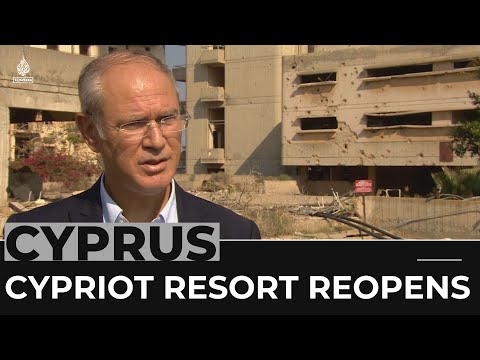
Al Jazeera English has reported on the partial reopening of the resort and on those who remain locked out, in the video below.
Why does Varosha matter beyond the town itself?
The Security Council has set the principle in its own words: Varosha is to be returned to its inhabitants and administered by the UN, not settled or commercially exploited by the occupying side. The 2021 statement links the question to the settlement the Council still endorses, “based on a bicommunal, bizonal federation with political equality”. Unilateral steps on the ground, in the Council’s words, “could raise tensions on the island and harm prospects for a settlement”.
It also belongs with the unresolved human cost of 1974. The Committee on Missing Persons in Cyprus, a bicommunal body set up in 1981 with UN participation, states that its objective is to recover, identify and return the remains of 2,002 people who went missing during the inter-communal fighting of 1963-64 and the events of 1974: 1,510 Greek Cypriots and 492 Turkish Cypriots. The 37,000 residents of Famagusta counted by the Cyprus government form a large part of the more than 180,000 Greek Cypriots it says were displaced.
What is the Greek and Cypriot position?
The Republic of Cyprus, an EU member, maintains that Varosha is its territory and that its refugees have a right to return to their homes under the UN resolutions. The Cyprus government publication says Turkey has refused to transfer the area to the UN, and that the refugees have been waiting since 1974 to return. The legal frame is the Security Council’s own: Resolution 541 calls on states not to recognise any Cypriot State other than the Republic of Cyprus, and Resolution 550 asks for Varosha to pass to UN administration.
The steps announced by Ankara and the Turkish Cypriot leadership in 2020 and 2021 were rejected by the Security Council in both presidential statements, and the 2021 text asked for all steps since October 2020 to be undone.
Timeline
| Date | Event |
|---|---|
| 14 August 1974 | Turkish aircraft bomb Famagusta; the Turkish army takes the town (Cyprus government publication) |
| 18 November 1983 | Resolution 541 declares the Turkish Cypriot secession legally invalid |
| 11 May 1984 | Resolution 550 calls settlement of Varosha “inadmissible” and asks for UN administration |
| 1992 | Resolution 789 lists extending the UN force’s area to include Varosha |
| 6 October 2020 | Announcement in Ankara to open the coastline of Varosha |
| 9 October 2020 | Security Council statement S/PRST/2020/9 calls for reversal |
| 20 July 2021 | Turkish and Turkish Cypriot leaders announce a further reopening |
| 23 July 2021 | Security Council statement S/PRST/2021/13 condemns it and calls for reversal of all steps since October 2020 |
Sources
UN Security Council resolutions 541 (1983), 550 (1984) and 789 (1992) as published in the Council’s resolutions volumes; presidential statements S/PRST/2020/9 and S/PRST/2021/13; UN News, 23 July 2021; the Republic of Cyprus publication on Famagusta; and the Committee on Missing Persons in Cyprus website.