Greece
At Conference Opened by Greek Defence Minister, Shay Gal Proposes Athens-Led Energy Security Pact

Speaking at a conference hosted by Greece’s Ministry of National Defence, Gal proposed binding European energy-solidarity commitments for the Western Balkans before EU accession, reducing dependence on Russian supplies and Turkish transit routes.
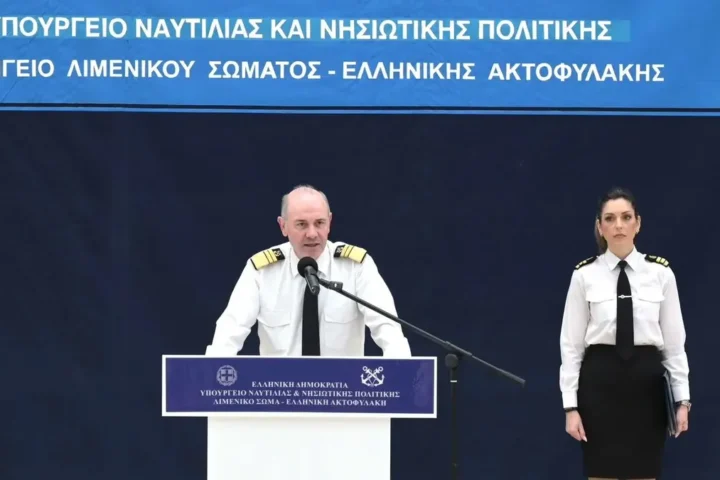
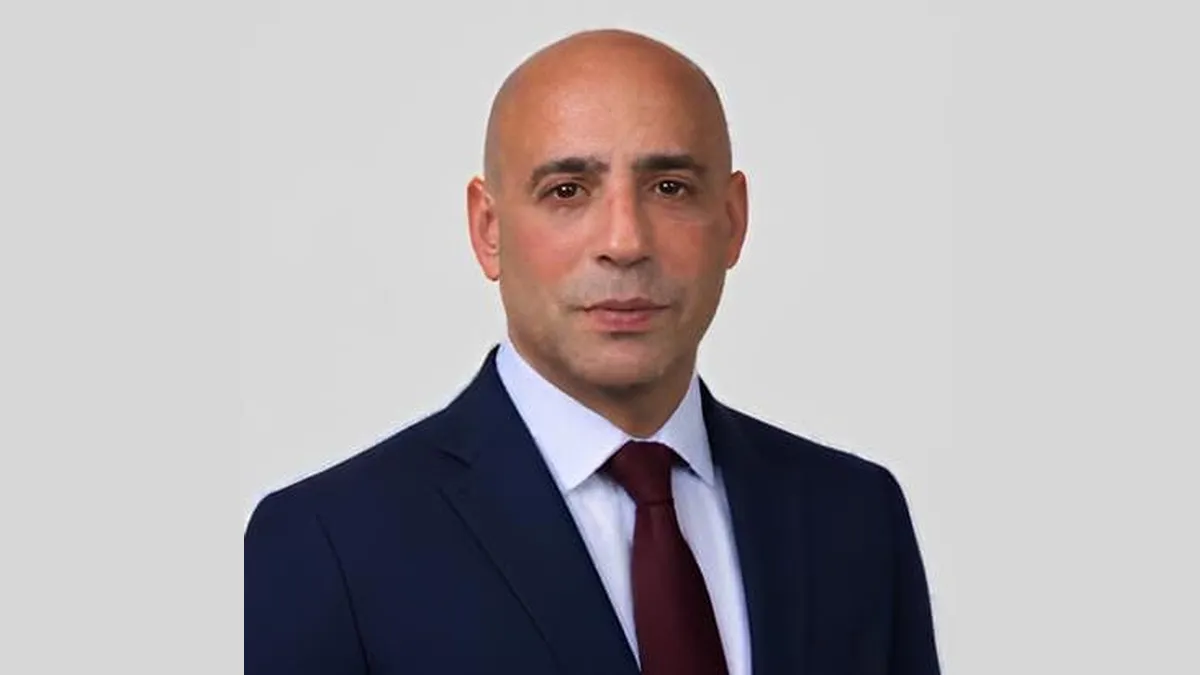
Shay Gal, Founder and Principal of Line of State, addressed Tuesday’s conference in Athens, The Role of the Western Balkans in the New Security Architecture, organised by the Hellenic Ministry of National Defence. Defence Minister Nikos Dendias opened the event, which convened senior defence and diplomatic officials from Greece and across Europe.
Gal joined a panel on Western Balkan energy security alongside Dimitrios Ioannou, former Greek Ambassador to India, and Konstantinos Karachalios, General Manager of Oil Supply and Trading at HELLENiQ ENERGY. Major General (ret.) Antonios Platias of EY-Parthenon moderated the discussion.
Gal identified the gap between infrastructure investment and strategic independence. Serbia’s EU-supported gas interconnector with Bulgaria was completed in 2023, yet Russia still supplied more than 80% of its gas in February 2026. Azerbaijani gas, he noted, reduces reliance on Moscow, not on Turkish transit.
European energy policy exposes a further strategic gap: the EU is phasing out Russian gas imports while still permitting its transit through EU territory to Serbia. Gal argued that reducing dependence within the Union cannot secure its wider energy interests while neighbouring countries remain vulnerable to external pressure.
He proposed a binding, Greek-led energy-solidarity compact with qualifying Western Balkan states before accession. Athens would coordinate the regional framework, Brussels would finance verified emergency readiness and reserved capacity, and participating governments would undertake measurable diversification, market reforms and reciprocal assistance.
For Greece, the compact would secure long-term contracted demand, transmission revenues, infrastructure investment and a central European security role, without leaving Athens to bear the cost of regional responsibility alone.
Europe has funded the alternatives, Gal argued, but must now secure the commitments that make them dependable in a crisis. Energy security is measured not by the number of pipelines built, but by how much essential supply can still flow when a critical route fails.