Greece
Golan: Greece, as Security Council president, announces the Council’s call for implementation of the 1974 Disengagement Agreement
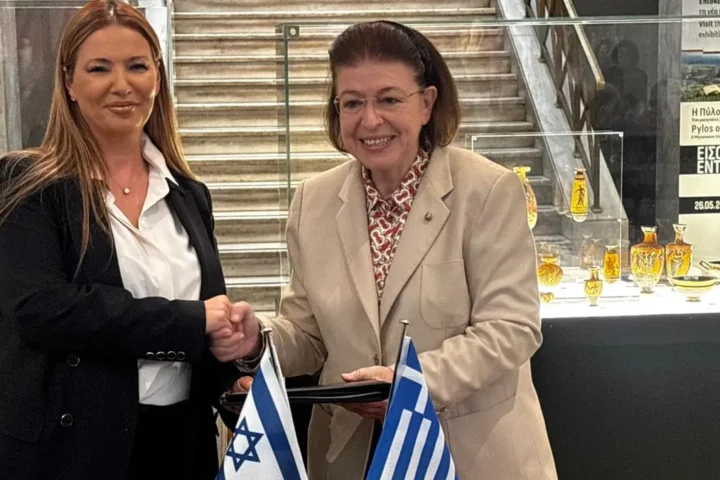
Members of the UN Security Council reaffirmed on October 9 the need to fully respect and implement the 1974 Disengagement of Forces Agreement between Israel and Syria. The press elements were read out by Greece’s ambassador Aglaia Balta as Council president for October.

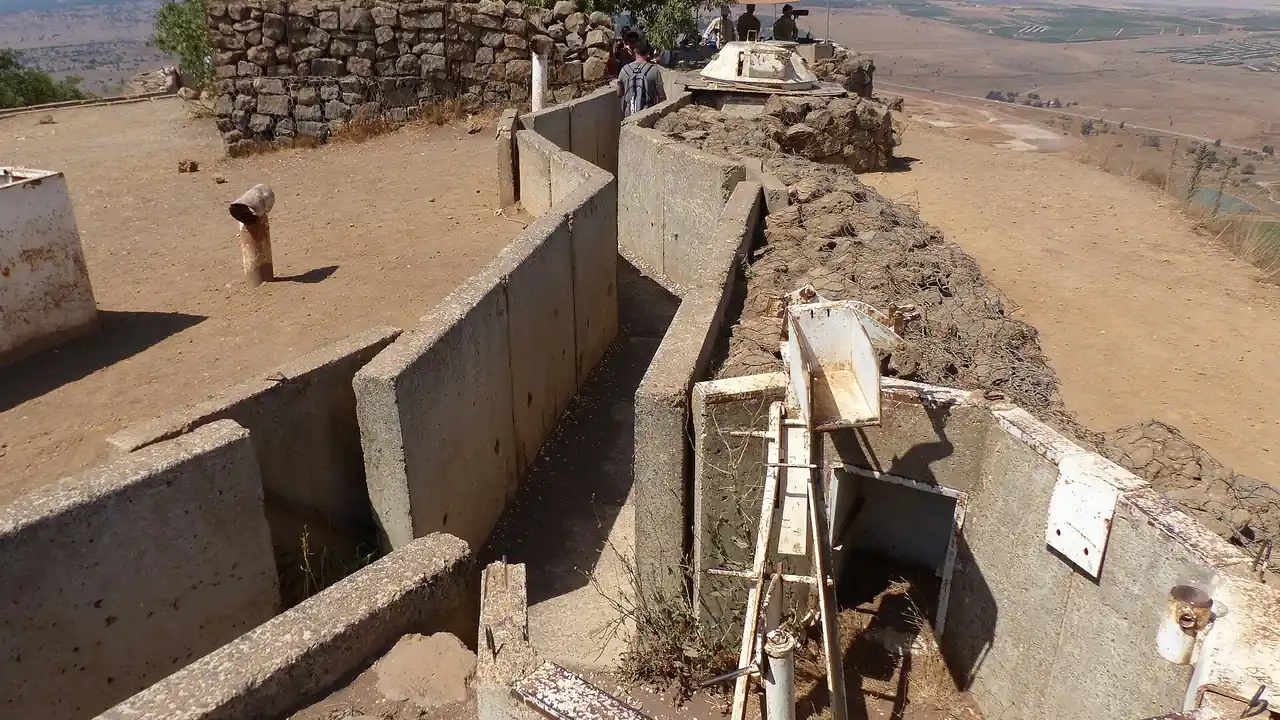
Members of the UN Security Council on Friday, October 9, reiterated the need for full respect for and implementation of the 1974 Disengagement of Forces Agreement between Israel and Syria. The position was stated in closed consultations on the UN Disengagement Observer Force (UNDOF), which has monitored the separation zone on the Golan Heights since 1974.
The press elements, agreed by all Council members, were announced by Greece’s Permanent Representative to the UN, Ambassador Aglaia Balta, in her capacity as President of the Security Council for October, as reported by Greek public broadcaster ERT. Greece is a non-permanent member of the Council for 2025-2026, and the presidency rotates monthly among the 15 members.
What Council members are asking for
The text stresses the importance of protecting and ensuring the safety and security of UNDOF personnel and of the Observer Group Golan, and of preserving their freedom of movement. Council members reaffirmed their “strong commitment to the sovereignty, independence, unity and territorial integrity of the Syrian Arab Republic” and called on all states to respect these principles.
They also reiterated their “strong support for UNDOF” and praised the dedication and professionalism of its personnel, who continue to carry out the mandate under difficult conditions. The force’s mandate was renewed in June by Security Council resolution 2824 and runs until December 31, 2026.
The “Sufa 53 line” and Turkey
The reference to the 1974 Agreement comes a few days after Ankara, on October 5, condemned the resumption of Israeli activities along the so-called “Sufa 53 line” in Syria’s Quneitra province. “We strongly condemn Israel’s erosion of the 1974 Disengagement Agreement,” the Turkish Foreign Ministry said, according to TRT World, adding that Turkey would continue, “together with countries in the region,” to support Syria’s territorial integrity.
Damascus, for its part, has spoken of behind-the-scenes talks with international mediators, as President Ahmed al-Sharaa seeks a security agreement with Israel to prevent new clashes. Israel has kept forces in areas of the separation zone since December 2024, after the fall of Bashar al-Assad.
What UNDOF is
UNDOF was established in May 1974, after the Yom Kippur War, to supervise the ceasefire and the separation of Israeli and Syrian forces. The separation zone runs along the Golan Heights, from Mount Hermon in the north to the Jordanian border in the south. For Greek diplomacy, the October presidency means that Athens announces the Council’s joint positions on all open fronts in the Middle East.