Europe
US sanctions the International Criminal Court itself; Rubio: “Either the ICC will end its threats, or we will end the ICC”
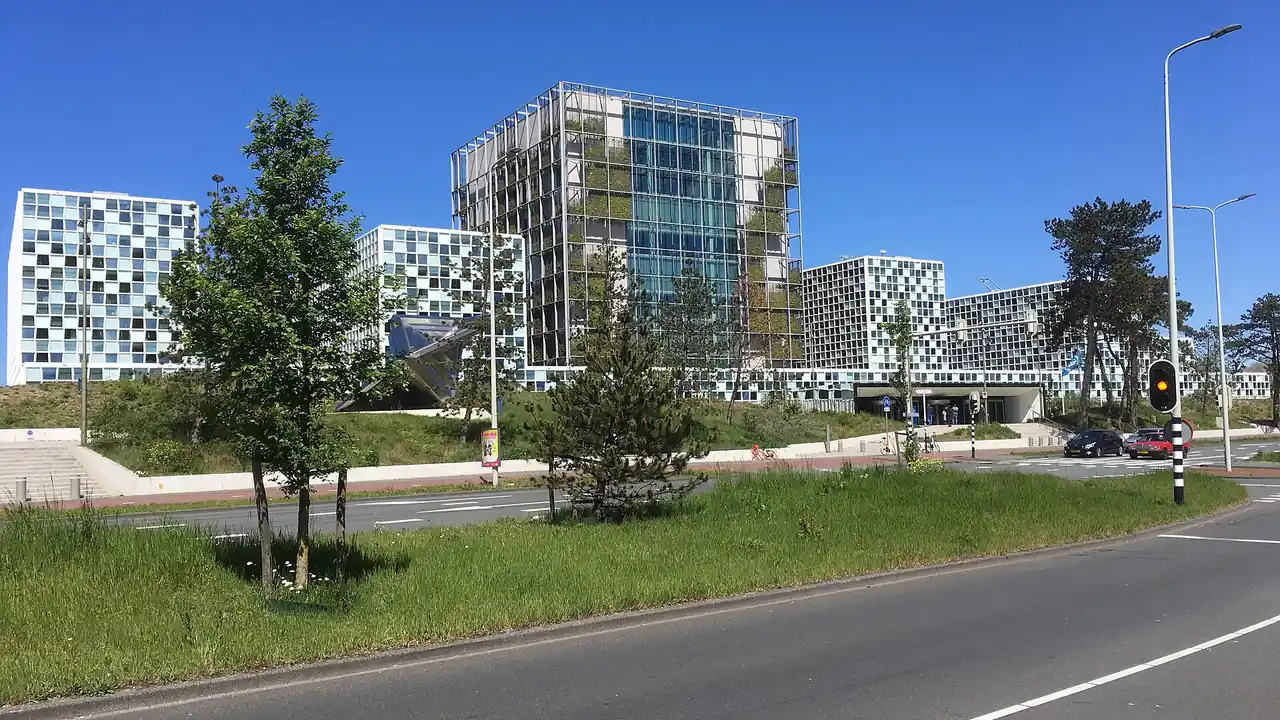
The United States on October 9 imposed sanctions on the International Criminal Court as an institution, not only on its judges, prosecutors and supporters, Secretary of State Marco Rubio announced. The EU says it is ready to take “any necessary measure”.

The United States on Friday, October 9, imposed sanctions on the International Criminal Court (ICC) as an institution, no longer only on judges, prosecutors or organisations that support it. Secretary of State Marco Rubio announced the decision.
“We will ban transactions with this rogue court,” Rubio said in a video, adding that “the United States and the American people are not subject to the jurisdiction of this fake ICC.” His message ended with a threat: “Either the ICC will end its threats, or we will end the ICC.” Al Jazeera carries the quotes.
What the sanctions provide
The sanctions freeze any assets of the court in the United States and prohibit the provision of funds, goods or services to it. Companies that serve the ICC, which has about 900 staff, can therefore also be penalised. Temporary exemptions are provided, among others for maintenance, technology and pension plans, so that, according to the State Department, States Parties can demonstrate “meaningful progress” on solutions to US concerns.
Washington cites the ICC’s investigation in Afghanistan, which could involve US military and intelligence personnel, and the arrest warrants for Israeli Prime Minister Benjamin Netanyahu and former Defence Minister Yoav Gallant over Gaza. Netanyahu thanked President Trump for his “leadership”. ERT notes that the Afghanistan investigation has since been closed.
Reaction from the EU and the court
The European Commission said, as reported by ERT, that the EU is ready to take measures so that the court can continue to prosecute war crimes, and also to protect European economic operators in the Single Market. An EU source said the wording refers to the so-called blocking statute, which the Commission does not name. All 27 EU member states are members of the ICC; among NATO members, only the United States and Turkey remain outside.
The ICC’s Deputy Prosecutor, Nazhat Shameem Khan, said the sanctions “must be condemned” and that “our work will continue across all our situations, our investigations and our prosecutions.” The court called on its member states to strengthen their support: “History will judge this moment.”
The announcement came a few hours after the 2026 Nobel Peace Prize was awarded to South African jurist Navi Pillay, a former ICC judge who chaired the UN Commission of Inquiry that concluded in 2025 that Israel is committing genocide in Gaza.