Greece
Greece-Egypt: third round of consultations on Libya in Athens, with withdrawal of foreign forces and respect for UNCLOS
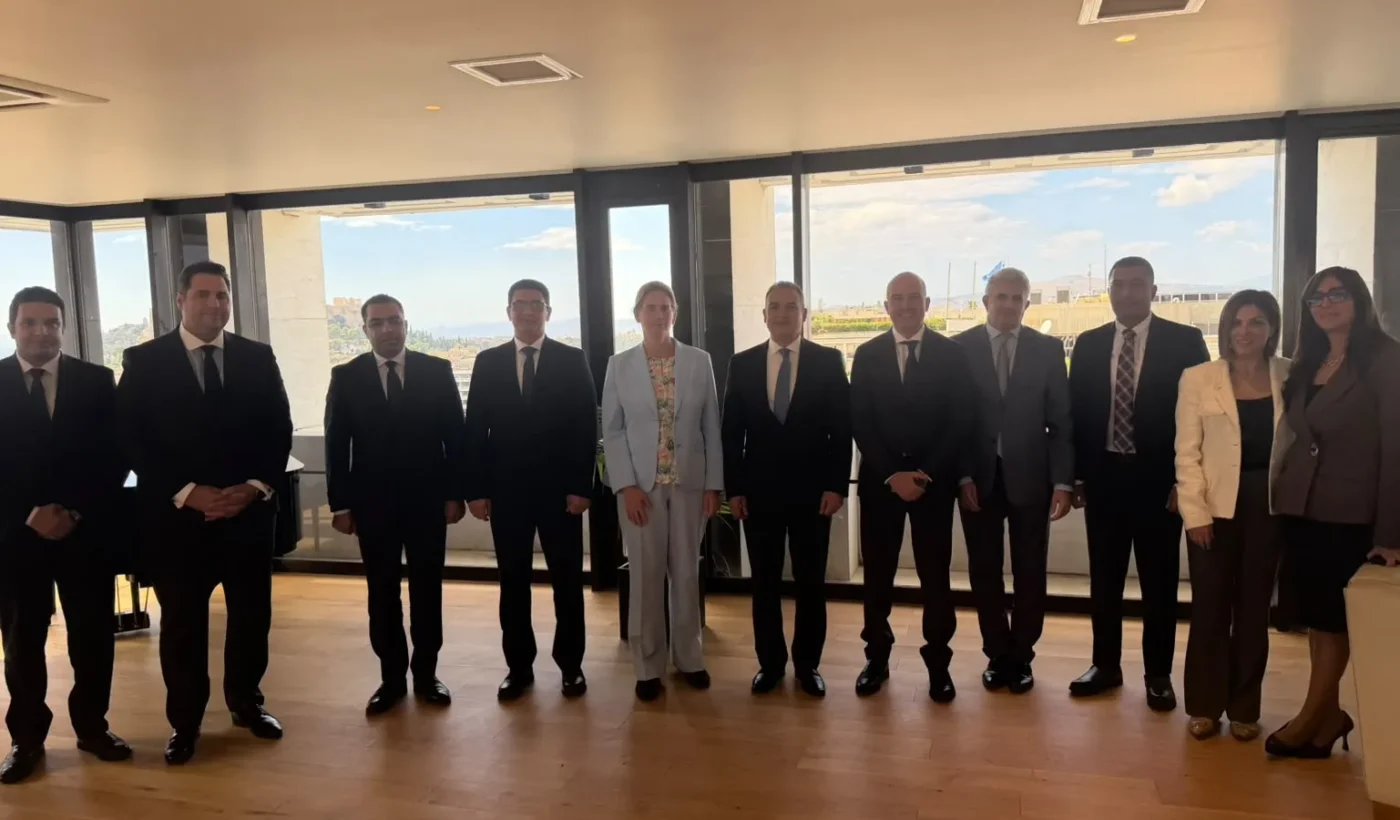
Greece and Egypt held the third round of political consultations on Libya at the Foreign Ministry in Athens on October 15. They called for the withdrawal of all foreign forces, fighters and mercenaries, and the Greek side stressed UNCLOS in the delimitation of Libya's maritime zones.

The third round of political consultations between Greece and Egypt on Libya took place on Thursday, October 15, at the Foreign Ministry in Athens, as the Ministry announced. The Greek delegation was led by Ambassador Sofia Philippidou, the Ministry’s Director General for Political Affairs, and the Egyptian one by Ambassador Bassel Salah, Assistant Foreign Minister for Libyan affairs.
The two delegations examined political developments and the security situation in Libya, as well as the prospects for a viable political solution under UN auspices. According to the Egyptian briefing on the meeting, Athens and Cairo stressed the importance of a Libyan-led political process that leads to simultaneous presidential and parliamentary elections. They reaffirmed their support for the country’s sovereignty, independence, unity and territorial integrity and discussed ways to unify its divided institutions, so that the Libyan authorities exercise real control across the territory.
Foreign forces, maritime borders and migration
The two sides rejected foreign interference that aggravates the conflict and called for the withdrawal of all foreign troops, foreign fighters and mercenaries from Libyan territory, in line with the relevant Security Council resolutions. The discussion also covered respect for international law in the delimitation of Libya’s maritime zones with neighbouring states, with the Greek Foreign Ministry placing particular emphasis on the UN Convention on the Law of the Sea (UNCLOS). For Athens the issue is directly linked to the 2019 Turkish-Libyan memorandum, which ignores Crete.
Coordination at the regional and international level against terrorism, illegal migration and organised crime was also discussed. The two countries agreed to continue regular consultations on Libya and to widen their cooperation, both bilaterally and in regional and international fora.
The second round of consultations took place in Cairo in early March, with the then Director General for Political Affairs, Ambassador Andreas Fryganas, leading the Greek side, and, according to the Libya Observer, it had reached the same positions. The Athens meeting comes a month after the Greece-Cyprus-Egypt trilateral summit at El Alamein on September 8, where the three countries backed the same line on Libya.
The consultations take place at a time of change in eastern Libya. In early October the House of Representatives in Benghazi removed Aguila Saleh from the speakership, the politician who for years did not bring the illegal Turkish-Libyan memorandum to ratification. Al-Salhin al-Ubaidi, a former head of the parliamentary committee on Libyan-Turkish friendship, was elected as the new speaker. For Athens, Egypt, which signed a partial EEZ delimitation agreement with Greece in 2020, remains the main regional partner on the Libyan issue.