Europe
Ohi Day explained: how Greece answered Italy’s ultimatum in 1940
US State Department telegrams record the Italian ultimatum of 28 October 1940, the Greek refusal and the first weeks of the war that Greece commemorates as Ohi Day.

On 28 October 1940 the Italian Minister in Athens handed Greece an ultimatum in the small hours of the morning, and Greece refused it. Italian forces attacked from Albania within hours. US diplomatic telegrams published by the State Department record the day as it was reported from Athens, Rome, Ankara and Belgrade, and show how a demand to occupy unnamed “strategic points” turned into the war that Greece commemorates as Ohi (No) Day.
Key points
- The US Minister in Athens, Lincoln MacVeagh, reported that the ultimatum was handed to the Greek prime minister at 3 a.m. on 28 October, with a deadline he gave as 6 a.m., and that the Italian Minister could not say which points Italy wanted to occupy.
- Greece’s own note to Washington put the Italian attack at 5:30 a.m. on 28 October, before that deadline.
- Athens was blacked out, general mobilisation was declared and the Tatoi airfield and the Corinth Canal were bombed on the first morning.
- By 22 November the Greek premier was announcing the fall of Koritza, and in March 1941 a large Italian counter-offensive was reported to have failed.
What was the Italian ultimatum of 28 October 1940?
MacVeagh cabled Washington at 5 a.m. on 28 October. According to his telegram, the Italian Minister had handed the Premier an ultimatum at 3 o’clock that morning, demanding permission to occupy “certain strategic points”. When the Premier asked which points, the Minister said he did not know. MacVeagh added that he had this from the British Minister, who was called into consultation at once, and concluded: “Indications are that Greece will not comply.”
Rome’s pretext was reported the same day. The Turkish Ambassador in Rome told his Greek colleague that the Italian Foreign Office had spoken of an “unsatisfactory response” by Greece to Italian protests about Greek assistance to Great Britain, and that Italy therefore wanted the use of places in Greek territory as naval bases. Italian news agencies had also run charges of Greek armed action in Albania. MacVeagh described these charges as “absurd” and noted that the Greek Government had fully denied them the day before.
How did the pressure build up in 1940?
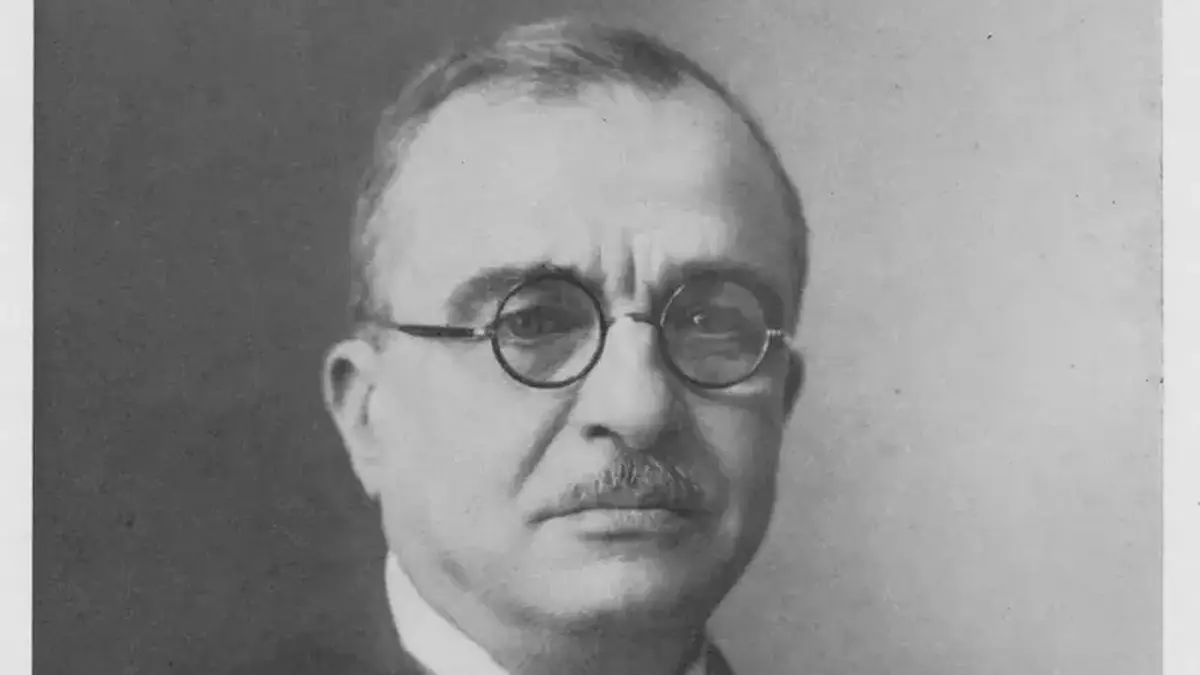
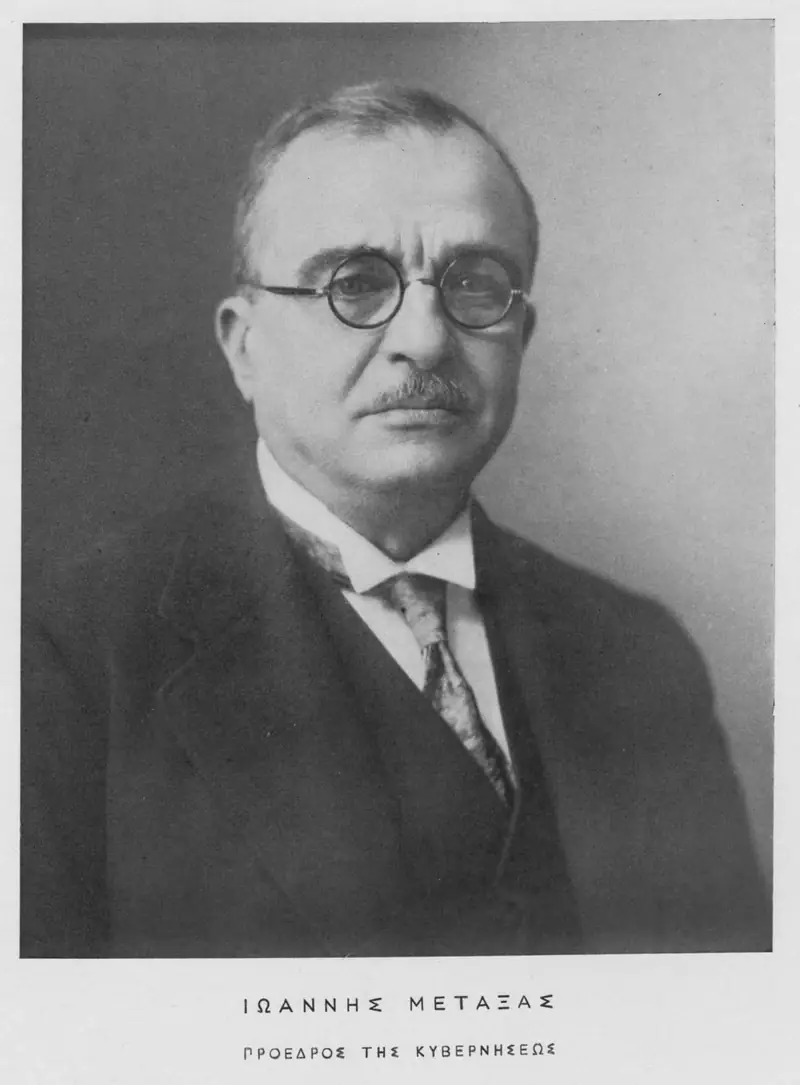
The telegrams show a Greek government that spent the spring and summer trying to stay out of the war while preparing to defend itself. On 24 May, asked what Greece would do if attacked, Prime Minister Ioannis Metaxas replied simply, “It will be war”. In June the Greek Chief of Staff told a US officer that Greece would keep its neutrality by refusing foreign demands for the use of its facilities, naming the Corinth Canal.
The first violent incident came on 15 August, the feast of the Dormition. MacVeagh reported that the Greek cruiser Helli, anchored off Tinos in festive flags, was torpedoed without warning by an unidentified submarine and sank almost at once, with the loss of one officer and about 30 men. In the following days the Greek Under Secretary for Foreign Affairs told him Athens had received no official communication from Italy and did not know what would be demanded, while the Italian press and radio kept up a campaign against Greece and Greek officials reported Italian troop movements in Albania toward the Greek border.
Warnings came from Rome too. On 21 October the US Chargé there, Reed, cabled a report from a source he called excellent, saying that an invasion was planned for the early morning of 25 October and that troops were being embarked at Bari and Brindisi. A later message from the same source said the date might slip to 28 October. On 22 October the Greek Under Secretary was still telling MacVeagh that no demands had been made on Greece.
What happened on the first day of the war?
By midday on 28 October MacVeagh reported that the Chief of Staff had told the US military attaché that the opposing forces on the Albanian frontier were in contact and that artillery had been firing since the ultimatum expired. The Tatoi airfield and the Corinth Canal had been bombed, the latter without effect. General mobilisation had been declared, anti-aircraft guns were in action over Athens and there had been anti-Italian demonstrations in the streets. No word had yet reached the Greek Government of help from Turkey or Britain.
Greece formalised the date a few days later. When Washington asked whether a state of war existed, the Greek Under Secretary replied in a note of 11 November that “a state of war exists in Greece since October 28th of this year at 5:30 a.m. at which time Italy launched an unexpected attack against Greece”. Italy, for its part, wrote on 20 November that it considered Greece an enemy state from 28 October.
The newsreel below shows how the event was presented to audiences at the time.
Who stood with Greece in the first weeks?
The reports from neighbouring capitals show a Balkan diplomatic picture in which Greece stood largely alone at first. Yugoslavia announced neutrality and told Greece it would refuse any Italian request to move troops across its territory. Bulgaria gave assurances that it would not move. The Greek Ambassador in Ankara pointed out that Turkey was bound to give military support to Greece only in the event of a Bulgarian attack, and Turkish officials told the US Ambassador that Turkey would fight if Italy advanced on Salonika or if Bulgaria intervened.
British help arrived on 16 November, when MacVeagh reported a squadron of five warships landing troops at Piraeus, “several thousand” according to the British Consul. The United States stayed formally neutral: on 16 November the State Department told MacVeagh that a neutrality proclamation was being issued and was not to be read as “any lessening of the sympathy” of the US Government for Greece. On 6 December President Roosevelt answered a message from King George II of Greece by stating that it was the settled policy of the United States “to extend aid to those governments and peoples who defend themselves against aggression”.
Why did the Italian invasion stall?
Early on, MacVeagh recorded the British military attache’s view that the Italians had made only preliminary contact with the main Greek defensive positions. On 22 November he reported that the Premier had announced the fall of Koritza to a crowd in Constitution Square and that the booty was considerable. The British attache called it a major victory.
A source of Reed’s in Rome said on 3 December that the original Italian plan had called for landings on Corfu and Cephalonia and was expected to overcome Greek resistance in eight days, and that storms along the Greek coast had prevented the landings. Italian losses were described as very heavy, and the Italian High Command now expected the campaign to take four or five months. The same telegram is a reminder that this is one informed source rather than an Italian official account.
Greek aims were stated on the radio by Metaxas after Koritza fell, in words MacVeagh quoted on 21 December: “We are fighting not only for our existence but for the other Balkan peoples too, and for the liberation of Albania.” Mediation was another matter. On 22 December a German intermediary reportedly suggested to the Greek Minister in Berlin that Greece ask a neighbour to present a request for German mediation. The Minister rejected the idea, observing, in the telegram’s paraphrase, that a victorious nation does not ask for mediation. On 31 December the Greek Foreign Office told MacVeagh that mediation was out of the question.
What happened next, up to March 1941?
The record then turns to Germany. On 27 January 1941 the US Ambassador in Rome, Phillips, reported a source saying that German military support for Albania had been agreed, with a strong Italian counter-offensive to come as soon as the weather permitted. Two days later he reported that German troops concentrating in Romania were intended for an attack on Greece through Bulgaria. On 1 March the US Ambassador in Moscow reported that Germany had proposed that Greece withdraw to its former Albanian frontier, in return for a German promise not to occupy Greece and to guarantee its frontiers.
On 19 March Phillips reported that the Italian counter-offensive of the previous week had been, in his source’s words, completely unsuccessful. An Italian source admitted losses of 18,000 wounded and missing, while Balkan sources put them at no fewer than 20,000.
Why does Ohi Day still matter?
Greece marks the anniversary of 28 October each year as Ohi Day. The contemporary record supports the plain reading behind it: a larger neighbour demanded access to Greek territory on a pretext that the Greek Government denied, attacked within hours, and was met with refusal, mobilisation and, within weeks, a Greek advance into Albania. The same diplomatic papers show how little outside support Greece had at the start and how closely Berlin, Belgrade, Sofia and Ankara watched the outcome.
For other episodes in the same story of Greek borders and rights, see Smyrna 1922 explained: what US diplomatic records show, Treaty of Lausanne explained: borders, islands and minorities and Cyprus problem explained: 1960, 1974 and the UN buffer zone.
Sources: US State Department, Office of the Historian, Foreign Relations of the United States, 1940, Volume III: Document 409 (Helli), Document 428 (ultimatum), Document 456 (Greek note on the state of war) and Document 474 (Roosevelt reply), together with the other documents in the same chapter (393 to 481); and FRUS 1941, Volume II, Document 640.