Asia-Pacific
US commander in Korea: allied industry should help sustain forces in the region, Gen. Brunson tells Washington audiences
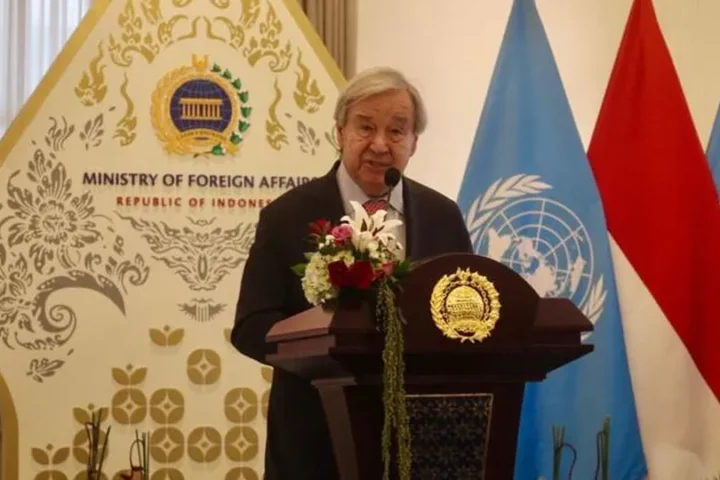
After a three-day visit to Washington, Gen. Xavier Brunson, who leads US Forces Korea, argued for regional repair hubs built around South Korea's defence industry and called the alliance "indispensable".

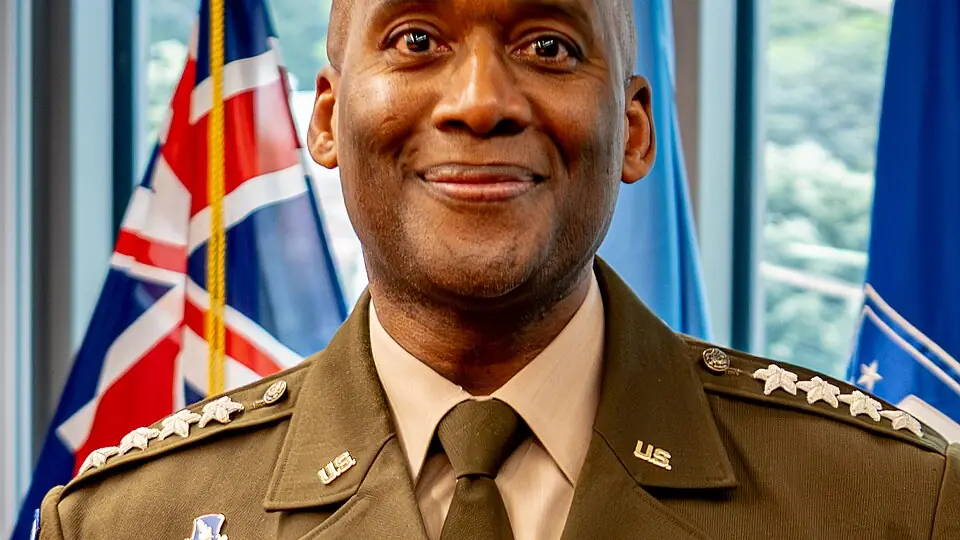
Gen. Xavier Brunson, who commands United Nations Command, Combined Forces Command and US Forces Korea, finished a three-day visit to Washington on 14 October with a message about how a future war in the Indo-Pacific would be sustained: close to where it is fought, and together with allies. Details of his engagements were published on 20 October on DVIDS, the US Defense Department’s media distribution hub.
Sustainment close to the fight
Brunson spoke at the Association of the United States Army annual meeting on 12 October, on a panel with the commander of US Army Pacific. He described what he called the building blocks of endurance: posture, protection and sustainment. “If you can’t sustain, regardless of the distances we’re dealing with, you can’t fight,” he told the audience.
His argument was that sustainment on the Korean peninsula starts with allies. He pointed to South Korea’s defence industrial base as a resource to be used in the theatre, and proposed regional sustainment hubs built around it. “Regional sustainment hubs built around it let us fix equipment where we fight, not ship it home,” he said.
Future warfare and the individual soldier
The next day he addressed the Strategic Landpower Dialogue organised by the Center for Strategic and International Studies. There he turned to the character of future combat. “Future warfare will require us to see first, understand first, and act decisively,” Brunson said, adding that autonomy and artificial intelligence would make forces more precise but that “a Soldier still has to cover the last 25 meters to seize, secure, and hold the objective.”
A combined headquarters
On 14 October Brunson closed the visit at the Second Annual Indo-Pacific Summit. He called the alliance between South Korea and the United States, which he said has lasted more than 70 years, “unlike any other in the world”, and described his own responsibility as protecting the homelands of both countries.
He singled out the command’s structure as its main strength. “Here is what nobody else has: a combined headquarters,” he said, arguing that the integration of allied forces is the ultimate deterrent and that “Korean ingenuity and excellence plus American will, working as one, reduce our shared vulnerabilities.”
Context
The remarks come as Seoul is again publicly warning Pyongyang over border tensions; Geopolitiki reported on South Korea’s latest warning in South Korea warns of “decisive punishment” for new North Korean provocations after Kim Yo Jong’s border threats. The official account of Brunson’s visit contains no new announcement on force posture or on any specific sustainment project; his comments are statements of approach rather than decisions.