Drones
Game of Drones: fibre-optic drones tested in the dark tunnels of Edwards Air Force Base
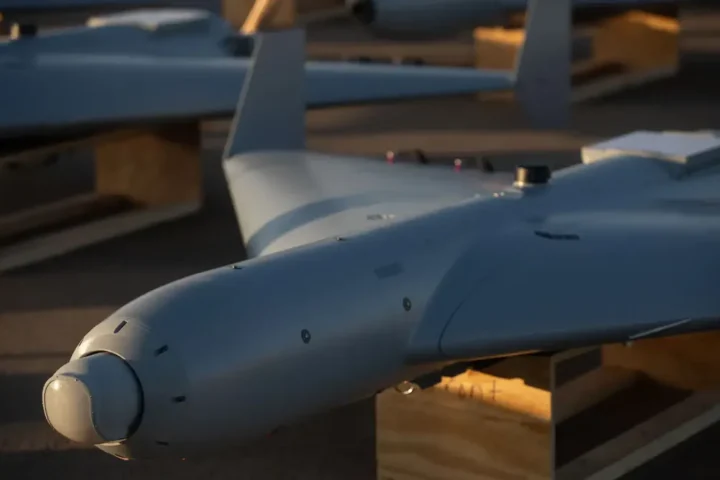
A U.S. defence agency says drones steered by fibre-optic cable were flown through dark service tunnels at Edwards Air Force Base to test operation without radio signals.

A U.S. defence acquisition agency has used a September drone demonstration at Edwards Air Force Base, California, to test how small unmanned aircraft cope without radio signals: the drones flew through dark service tunnels while steered over a fibre-optic cable. The Defense Contract Management Agency (DCMA) described the results in an article published on 6 November.
What was tested
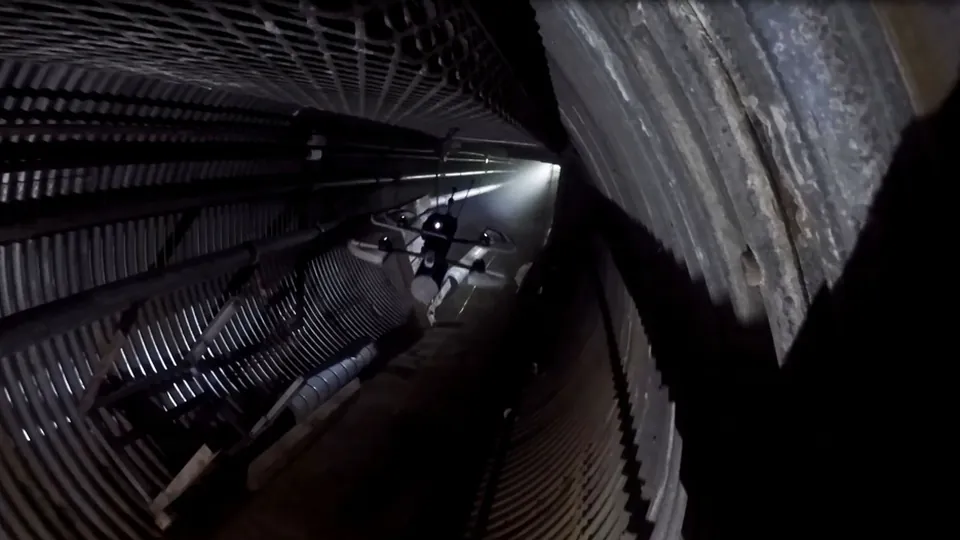
The latest “Game of Drones” event ran from 14 to 18 September and tested autonomous platforms in a new environment: underground. Drones trailing fibre-optic wire were sent through narrow service tunnels at a site on the base. The tunnels were dark and dusty and had hard right-angle turns, and the point was to show that wired drones can find their way in an environment where radio links do not work.
Lance Alix, a general engineer with DCMA’s Special Programs Unmanned Systems, said the setting posed “significant challenges from an operational standpoint”, naming limited visibility, tight corridors and signal loss. He and U.S. Air Force Maj. Mark Eisenhuth, the integration cell lead with DCMA Special Programs, acted as assessors. They worked with the 412th Test Wing’s Experimental Test Force and the vendors taking part, collecting technical, safety and logistics information.
According to Alix, the team gathered operational test data, user feedback and observations on how the drones performed.
Who runs the event
“Game of Drones” was founded and is sponsored by DCMA’s Blue List team. It is run together with the U.S. Air Force’s 412th Test Wing Experimental Test Force and the Griffiss Institute, a not-for-profit organisation that links federal laboratories with American industry. DCMA says the event is used to work out how testing should be done in what it calls the new paradigm of drone warfare.
The Blue List is a list of unmanned systems and components that have been vetted and approved for purchase and operation by the U.S. Department of War. It moved to DCMA from the Defense Innovation Unit in 2025 and is used to vet commercial drone technology on a continuing basis.
Why it matters
Alix described DCMA’s role as support for the Drone Dominance initiative, working with U.S. military personnel, foreign partners and industry. The tunnel trial points to a practical question for armed forces everywhere: how cheap drones can operate underground or where radio links are jammed or unavailable. DCMA did not publish performance figures or name the vendors in its article.
Drone warfare is also a daily concern in Europe and the Middle East, and Geopolitiki has reported recently on BALKAN SHIELD 26: Special Forces from eight countries train in Litochoro with live fire, air assault and FPV drones.