Middle East & North Africa
Iran: Revolutionary Guards show an underground naval base full of anti-ship missiles as the US prepares new strikes
The IRGC has released video of an underground naval base in southern Iran with tunnels full of anti-ship cruise missiles, on the day of the US midterms and amid reports that Washington is preparing a new bombing campaign.

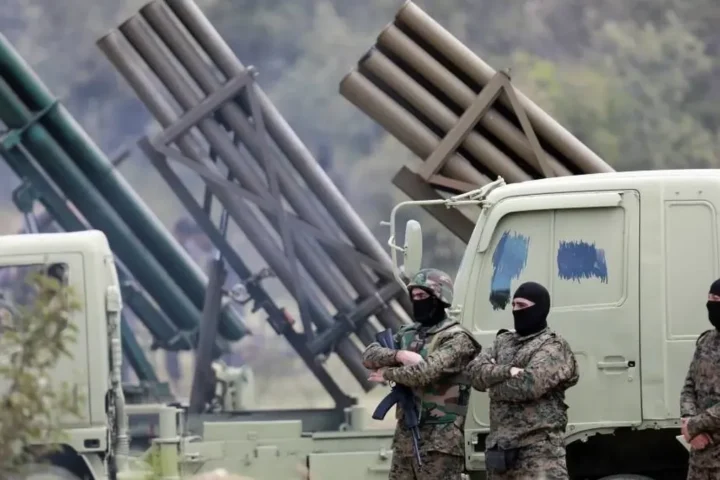
Iran’s Revolutionary Guards (IRGC) released, through friendly accounts, video from an underground naval base in southern Iran with an extensive network of tunnels full of rows of anti-ship cruise missiles. It is not certain that the material published on Tuesday, November 3, is new footage, but it matters because it was released en masse on the day of the US midterm elections by the Revolutionary Guards, while speculation grows that Donald Trump will launch a major bombing campaign against Tehran.
What the video shows
The footage shows a senior Iranian delegation touring the base, with the representative of the Supreme Leader to the Revolutionary Guards, Hojjat al-Islam Abdullah Haji-Sadeghi, inspecting the tunnels. Anti-ship missiles are stored in the corridors, and fast attack craft and unmanned surface vessels also appear. The video also includes the launch of a missile from a desert area and a huge explosion. World Israel News describes the move as a veiled threat.
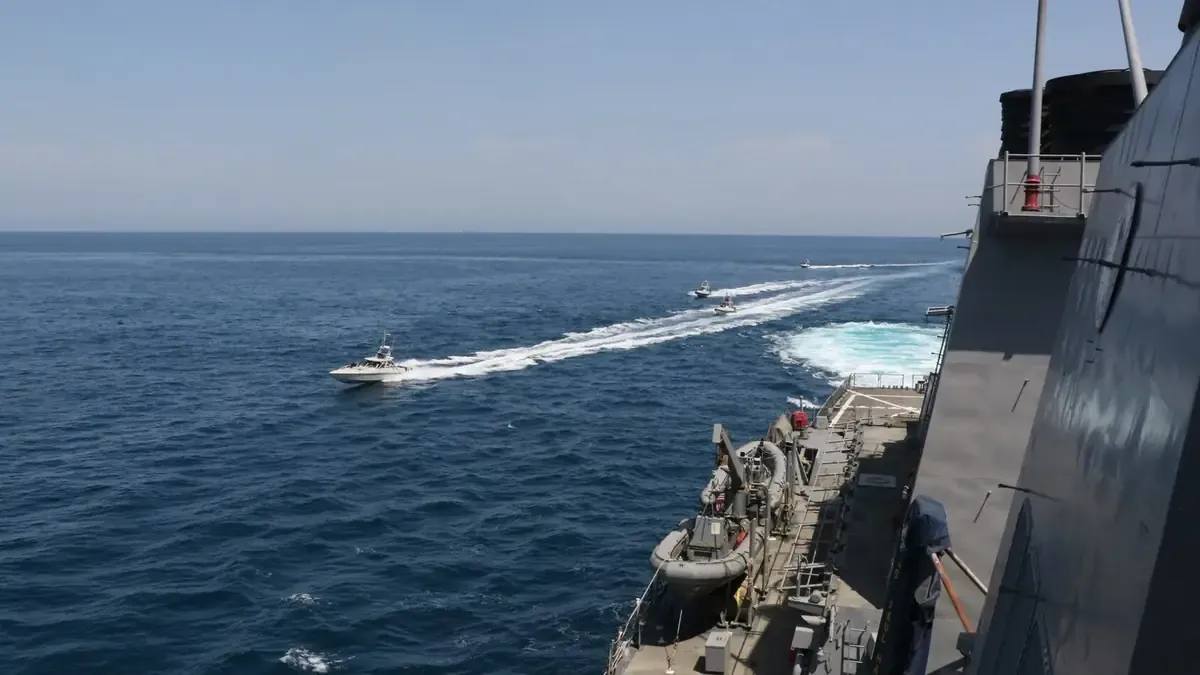
The release comes a day after the US strikes on Qeshm island, in the Strait of Hormuz. American officials described Monday’s attacks, on November 2, as limited and defensive.
The American preparation
The US has reportedly asked several Arab Gulf states to prepare for a short and intense bombardment after the elections. US forces in the region are replenishing their munitions stocks, while bombers and fighters prepare for strikes, as estimates grow that the US and Israel are preparing a new round of heavy operations. The escalation would aim to weaken Tehran and push it towards an agreement.
The Wall Street Journal writes that the US has moved troops out of Middle Eastern bases where they were vulnerable, ahead of an escalation. It adds that another carrier strike group and a Marine expeditionary unit are expected to join, next month, about 20 other warships operating in the Middle East, although some ships may leave. The Pentagon is also sending a Patriot system from Texas to Israel to strengthen the country’s missile defence, according to flight-tracking data and two officials familiar with the transfer. The war, now in its eighth month, was estimated to have cost $47.1 billion by mid-October, not counting damage to US bases in the region. About 60 per cent of this, or $29 billion, is attributed to munitions consumption, such as Tomahawk and Patriot missiles.
Tehran’s threats
The hardline daily Kayhan wrote on Tuesday that American facilities in Britain, Italy, Greece, Romania, Albania and Cyprus could become targets in the event of a new war. Since Supreme Leader Ayatollah Mojtaba Khamenei ordered the armed forces last week to respond immediately and “without geographical limits” to any hostile threat, Iranian officials and media have increasingly raised the possibility of strikes on bases outside the region from which attacks on Iran are launched.
Negotiations continue
A senior Iranian official told Reuters, on condition of anonymity, that Iran and the US are still far from a deal to end the war, while Qatar steps up its mediation efforts to avoid a new escalation after the elections. Qatari mediators travelled to Tehran on Monday evening for talks on a version of the draft agreement that has been under discussion for eight days. The Iranian official warned that “Tehran’s terms must be met” if the US wants to reopen the Strait of Hormuz, and that Tehran will respond forcefully to American strikes, in the region and beyond.