Europe
Dapo Akande elected judge of the International Court of Justice, returning a British jurist to the Hague bench
The UK says Oxford professor Dapo Akande won a nine-year seat on the ICJ in a UN vote on 3 November, ending a gap of almost a decade without a British judge.

Dapo Akande, a professor of public international law at the University of Oxford, has been elected a judge of the International Court of Justice (ICJ), the principal judicial organ of the United Nations, the British government announced on 3 November 2026. The election returns a United Kingdom national to the bench after a gap of almost a decade, according to the Foreign, Commonwealth and Development Office.
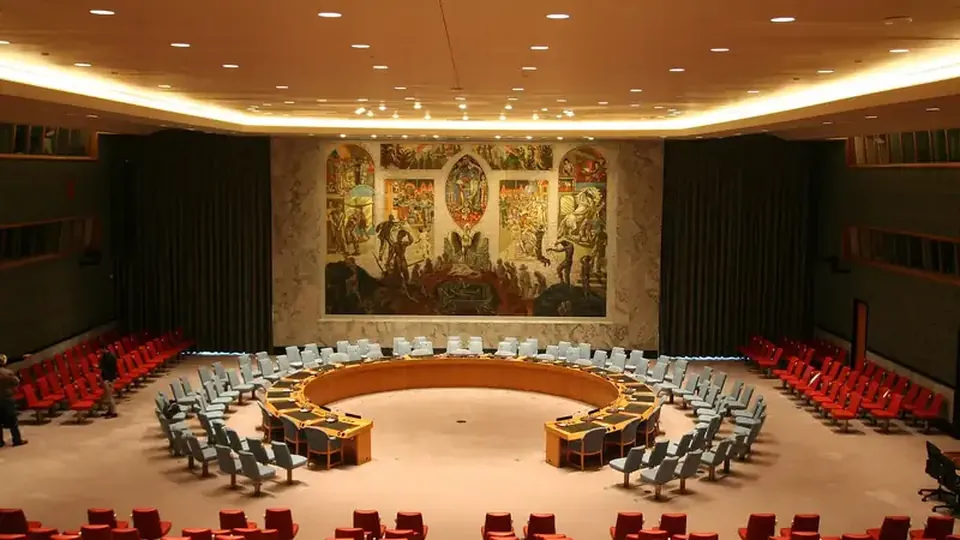
The vote took place at the United Nations in New York, where the General Assembly and the Security Council met at the same time on 3 November to fill five vacancies on the Hague-based court, as the UN press service announced for the session. Judges are chosen by the two bodies voting in parallel. The British statement says Akande won the support of a majority of UN member states and will serve a nine-year term. It gives no vote tallies, and the full list of the five judges elected had not been confirmed in the official material read for this report.
Who is Dapo Akande
According to the UK government, Akande is a Fellow of All Souls College, Oxford, and an elected member of the UN International Law Commission. He originally qualified as a lawyer in Nigeria and has close to three decades of experience. He has acted as counsel, adviser or expert in cases before international courts, including the ICJ itself, and has advised governments from all five UN regional groups, as well as the United Nations and the African Union.
Prime Minister Andy Burnham said the election was “a clear signal to our partners that the UK is back on the world stage”. Foreign Secretary Ed Miliband called it “a victory for the UK’s commitment to the rule of law”. Akande himself said: “I pledge to serve with independence.”
Why the Court matters
The ICJ settles legal disputes between states and gives advisory opinions on questions referred to it by UN bodies. Its docket includes boundary and maritime delimitation cases, one of the routes international law offers for disputes of that kind, which is why its composition is followed closely well beyond the countries whose nationals sit on it. Judges serve independently and do not represent their governments, a point Akande stressed in his own statement.
For readers of Geopolitiki the election is relevant context for any future recourse to the Court over the Aegean and Eastern Mediterranean, where Greece and Cyprus have long argued that remaining delimitation questions should be settled under the UN Convention on the Law of the Sea, if necessary before the ICJ. Turkey has not accepted the Court’s jurisdiction. No such case is currently before the Court in the material read for this article.