Cyprus
GSI: what remains before the new NAVTEX for the Crete-Cyprus cable, and the “informal understanding” with Paris
A new NAVTEX allowing seabed surveys for the Crete-Cyprus cable is expected within ten days, after a three-stage process. Cyprus’s Christodoulides speaks of an informal understanding with Athens and Paris, as the multinational exercise NEMESIS-26 begins south of Cyprus.

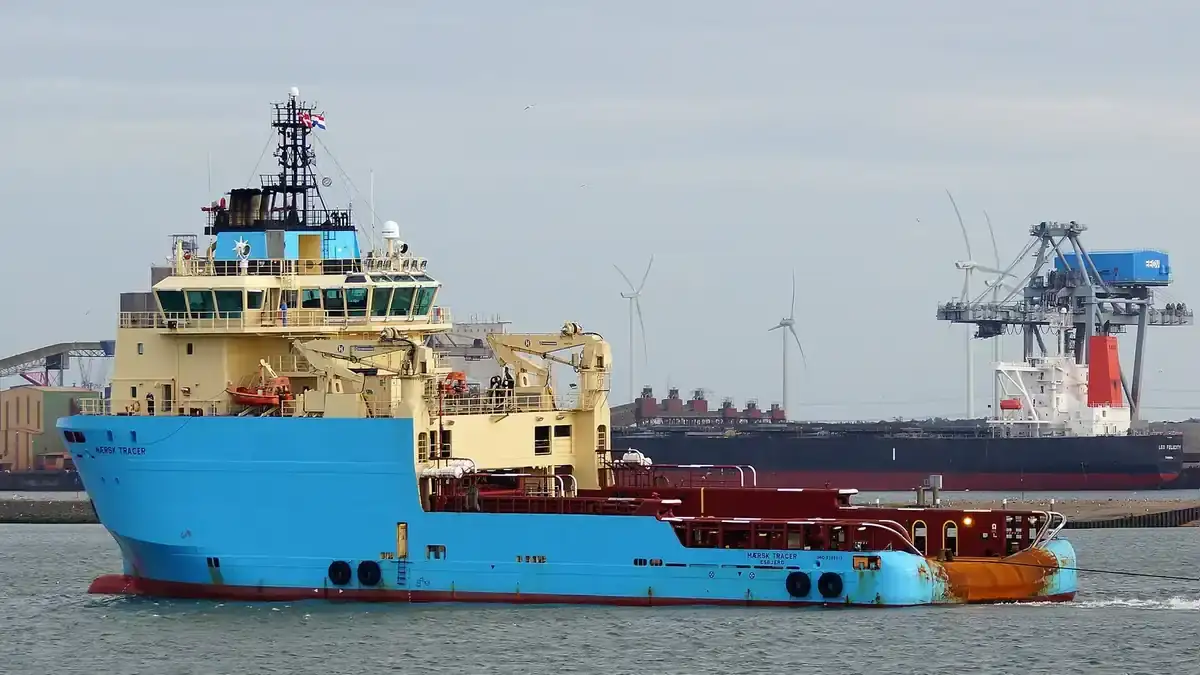
The new NAVTEX that will allow the seabed surveys to restart for the cable electrically linking Crete and Cyprus (the GSI, or Great Sea Interconnector) is expected within the next ten days. The information was given by ANT1 Cyprus on Tuesday, November 3, as the French survey vessel Abeille Marengo waits moored in Heraklion.
Before the NAVTEX is issued, a three-stage procedure must be completed. First, the competent Marine Research Permits Committee, on which the Foreign, National Defence and Shipping ministries are represented, is expected to meet this week and give its opinion on the permit. The final decision will be taken by the Greek Foreign Ministry. If the green light is given, the Hydrographic Service of the Hellenic Navy will be instructed to reserve the sea areas for the surveys.
“Exclusively by the Hellenic Republic”
Deputy Foreign Minister Tasos Hatzivasileiou said the project is moving according to the original plan. Speaking on Monday, November 2, at the 9th Athens Investment Forum, he recalled that the vessel taking part in the work is already in Heraklion and that the permit and the NAVTEX are exclusively Greece’s responsibility. “As Prime Minister Kyriakos Mitsotakis and Foreign Minister George Gerapetritis have said, when the technical details are completed the relevant permit will be issued, exclusively by the Hellenic Republic,” he said.
Defence Minister Nikos Dendias took the same line in an interview with “Ta Nea”, limiting his ministry’s role in the NAVTEX process. “I hope it will not have to concern us as a ministry later, beyond the procedure of issuing the NAVTEX by the Hydrographic Service of the Hellenic Navy, following the recommendation of the Marine Research Permits Committee,” he said. Government sources stress that, under the Law of the Sea, cable laying and related studies are a free activity and need no permission from third countries, which is why Athens rejects Turkish claims for licensing by Ankara, which has already responded with a counter-NAVTEX from Antalya.
The “informal understanding” of Nicosia, Athens and Paris
Cypriot President Nikos Christodoulides asked for as few public references to the matter as possible. “This is also an informal understanding that we have with the Greek Prime Minister and with the French President,” he said. “What I can tell you, because it concerns the Republic of Cyprus exclusively, is that we have taken all the steps we had to take in relation to this.” France plays a leading role in the diplomatic contacts, while the French company in the project is expected to inform the coastal states about the surveys, a move that could lower the temperature.
Ankara nevertheless insists it must have a say in licensing. From the occupied part of Cyprus, Ünal Üstel, who presents himself as “prime minister” of the self-declared regime that only Turkey recognises, said Turkey and the regime will continue surveys and energy activities in the Eastern Mediterranean. Christodoulides replied that the EU has already made démarches to Turkey over surveys for a gas pipeline to the occupied areas, which Nicosia considers illegal.
The NEMESIS-26 exercise south of Cyprus
Meanwhile the multinational air-naval exercise NEMESIS-26 begins south of Cyprus, with Cyprus, Greece, France, the US, the United Kingdom, Israel, Italy and Egypt taking part. The Larnaca Joint Rescue Coordination Centre announced that it will be held on Wednesday, November 4, Wednesday, November 11 and Thursday, November 12. The exercise concerns the protection of offshore energy infrastructure, crisis management in the area and search and rescue operations. The dates fall within the period in which Athens may issue the NAVTEX for the GSI.