Europe
UK and JEF allies sign Northern Navies Initiative on HMS Prince of Wales in Oslo
All 10 Joint Expeditionary Force maritime nations signed a Northern Navies Initiative in Oslo, aiming to make their fleets interoperable across the Baltic, High North and North Atlantic.

The United Kingdom and its partners in the Joint Expeditionary Force (JEF) have signed a Northern Navies Initiative, an agreement meant to make their navies operate as a single maritime force across the Baltic Sea, the High North and the North Atlantic. According to the UK government announcement, representatives of all 10 JEF maritime nations signed the document on Tuesday, 10 November 2026.
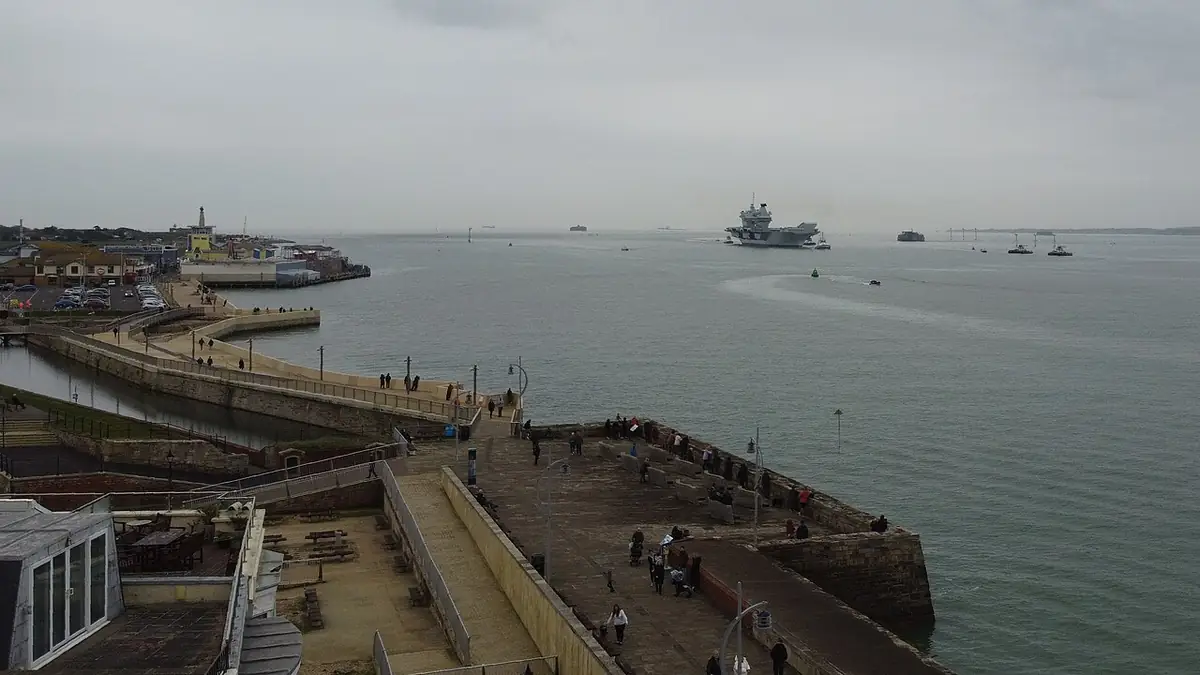
First Sea Lord General Sir Gwyn Jenkins signed the agreement on board HMS Prince of Wales during the International Sea Power Conference in Oslo, Norway. It follows a Statement of Intent that he proposed in London in April, and he said it was the result of nine months of work.
What the agreement is meant to do
The UK says the initiative is designed to strengthen maritime deterrence and defence, adding to NATO’s posture in the region. Under the plan, JEF navies are to operate in the same way, train to the same standard, plan together before a crisis and support one another, including by developing compatible equipment. The stated aim is to let the JEF act early, combine quickly and move into NATO command if the Alliance has to mobilise at scale.
The announcement gives practical examples. A Royal Navy frigate could hand operational responsibility to another JEF member without losing momentum. One nation’s task group could direct allied sensors and uncrewed vessels, and a warship could repair, refuel and resupply in an allied port instead of returning home. Equipment is to be made interoperable by design, so that future autonomous platforms can plug into one another’s command and control systems, creating what the UK describes as one large maritime force instead of 10 separate ones.
London says NATO remains the foundation, supplying the standards, plans and framework for collective defence, while the JEF is a smaller group of closely aligned navies able to work together more routinely and at a higher state of readiness. For background on the grouping, see our report Joint Expeditionary Force ministers meet in Iceland, advance Canada’s bid and deeper Ukraine ties.
Threats at sea and under the seabed
The announcement points to hybrid pressure below the threshold of armed conflict, including risks to critical undersea infrastructure and malicious seabed activity. In that context the Royal Navy says it will bring the first phase of Atlantic Net, part of Atlantic Bastion, into operation within months. Working with Ocean Infinity, the system is intended to detect hostile underwater activity earlier and give NATO and JEF allies a clearer picture of what is happening beneath the surface.
The High North, the statement adds, is changing fast under the influence of climate change, growing economic interest and increased geopolitical competition. Jenkins said the threats are multiplying and that closer co-operation will let each nation learn lessons quickly from the others and develop capabilities rapidly.
UK fleet and Royal Marines
The UK also said it is embarking on its most extensive rebuilding programme for the Royal Navy since the Second World War, with the existing programme using 280,000 tonnes of new steel, rising to around 450,000 tonnes when planned programmes are included. It added £100 million of new investment to transform the UK Commando Force into a warfighting formation focused on the High North, with the aim of increasing the number of Royal Marines regularly deployed there.
The text published by London does not list the individual signatory countries or give a timetable for the first joint activities under the initiative.