Air Force
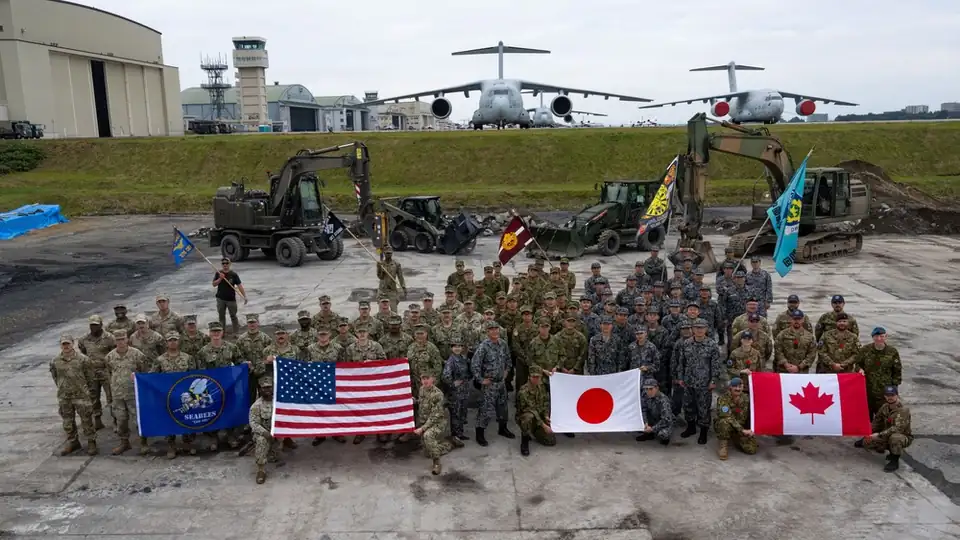
Keen Sword 27: U.S. Seabees, U.S. Airmen and Japanese engineers repair a simulated bomb-damaged runway at Iruma Air Base
During Exercise Keen Sword 27, U.S. Navy Seabees and U.S. Air Force engineers trained with Japanese and Canadian forces at Iruma Air Base to restore a damaged runway under pressure.

U.S., Japanese and Canadian military engineers practised repairing a bomb-damaged runway at a Japan Air Self-Defense Force base during Exercise Keen Sword 27, according to a U.S. Navy account of the training published on 29 October 2026.
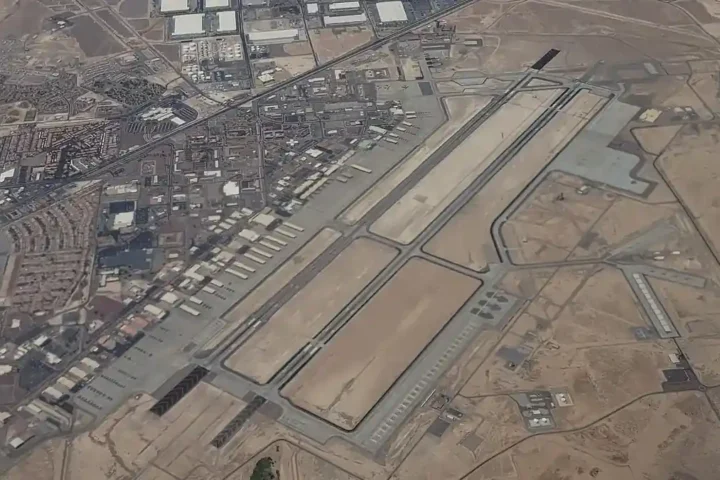
The drill took place at Iruma Air Base, Japan, from 22 to 26 October, and focused on expeditionary rapid airfield damage repair, known by the acronym ExR-ADR. The aim is to return a cratered airstrip to use quickly enough for aircraft to take off and land again after an attack.
Who took part
The U.S. contingent was made up of U.S. Navy Seabees from Naval Mobile Construction Battalion 5 Detachment Atsugi and U.S. Air Force airmen of the 374th Civil Engineer Squadron from Yokota Air Base. Japan sent engineers from the Japan Air Self-Defense Force and the Japan Ground Self-Defense Force. Canadian Armed Forces personnel were also present, and the training was reported by Commander, Task Force 75.
Keen Sword is a biennial bilateral exercise between the United States and Japan. Earlier Geopolitiki coverage of this edition includes the opening of Keen Sword 27 on Ishigaki.
How the repair drill worked
Each nation first demonstrated its own repair procedures. The forces were then mixed into two multinational teams, which worked through several scenarios despite poor weather and changes to the schedule.
One practical difference emerged in the materials. The Japanese engineers used asphalt, which hardens faster than the quick-setting cement used by the U.S. side. Both sides said such differences help them refine their own procedures.
Senior Chief Equipment Operator Joseph Patrick, the officer in charge of the Seabee detachment, called the event “the textbook definition of expeditionary rapid airfield damage repair.” Chief Construction Mechanic Justin Valdez, the assistant officer in charge, said it was challenging to change plans on the fly, “but that is our whole point.”
Why runway repair matters
Runways are among the most exposed assets of any air force, and the speed at which they can be restored determines how soon aircraft can operate again after a strike. The Iruma drill fits a wider pattern in this year’s exercise, in which U.S. and Japanese forces have also trained together on air operations, such as the hot-pit refuelling drills at Hachinohe.
The U.S. Navy account does not link the training to any specific threat, and no official figures on repair times were released.