Air Force
Kunsan Air Base drills fighter recovery after a simulated radiological release in Radiant Falcon
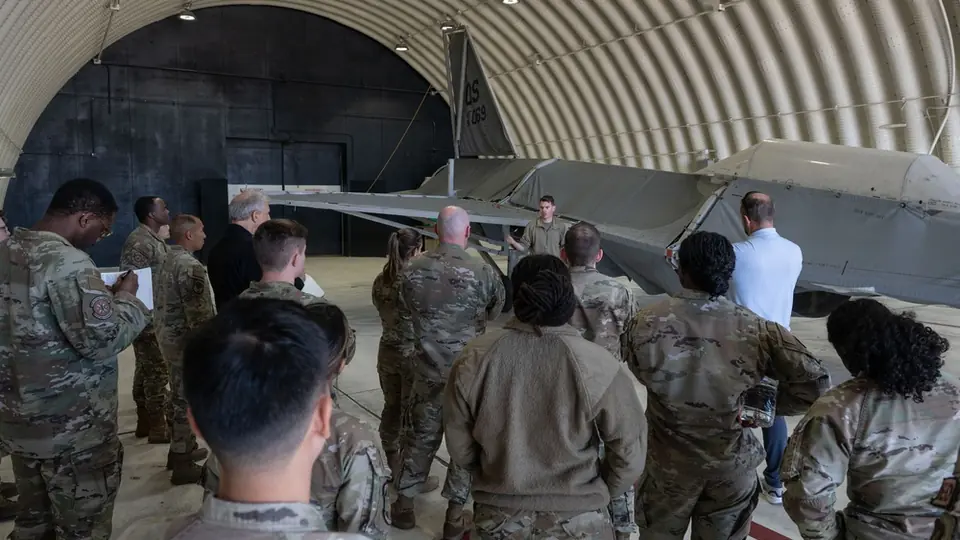
Airmen of the 8th Fighter Wing at Kunsan Air Base, South Korea, practised recovering and relaunching jets after a simulated radiological release during the four-day Radiant Falcon exercise.

U.S. Air Force Airmen at Kunsan Air Base in South Korea have rehearsed how to recover and relaunch fighter aircraft after a simulated radiological release, in a four-day exercise called Radiant Falcon. The training ran from 5 to 8 October 2026, according to a story published by the 8th Fighter Wing and distributed through DVIDS, the U.S. military’s media distribution service.
Airmen from the 8th Fighter Wing, including the 8th Operational Medical Readiness Squadron and the 8th Civil Engineer Squadron, took part together with the 51st Medical Group from Osan Air Base. The scenario had fighter aircraft returning to Kunsan after flying through a radioactive plume.
What the exercise covered
According to the wing, the aim was to show that the base can recover, process and relaunch potentially exposed aircraft while keeping personnel from hazardous exposure. Participants set up contamination control areas, carried out personnel decontamination procedures in a simulated radiological environment, and tracked exposure against safe operating limits. Emergency management specialists briefed colleagues on electronic personal dosimeters, the devices used to measure radiation dose, and teams logged simulated dose data for health records.
The training was also built around the turnaround of aircraft. Airmen coordinated with maintenance crews so that jets could be prepared for follow-on missions, with the focus on sustaining flying operations inside safe exposure thresholds.
In the Airmen’s words
Staff Sgt. William Lavender, a bioenvironmental engineering technician with the 8th OMRS, said the main point of the exercise was that, after a radiation event, the unit can “get those sorties back” and process maintainers so they are ready to go. Senior Airman John Bryant of the 51st OMRS pointed to the importance of explaining the risk to maintainers, saying that making them understand there is little to no risk to them helps get the mission done accurately.
Why it matters
The Air Force described Kunsan as an airpower generation hub in the Pacific, where high-tempo operations require rapid hazard monitoring and precise exposure tracking. It said similar radiological response training takes place at installations across Pacific Air Forces and U.S. Air Forces in Europe, reinforcing cooperation between functions and the ability to keep flying under contested chemical, biological, radiological and nuclear conditions.
The exercise comes while allied forces are training elsewhere in the region. Geopolitiki reported on the opening of the large Japan-U.S. drill in Keen Sword 27 opens on Ishigaki with 45,000 Japanese and 11,000 U.S. personnel and seven partner nations. The Radiant Falcon story is available on the DVIDS website.