Europe
NATO to send more surveillance and forensic assets to the Black Sea after drone attacks on merchant ships
After a North Atlantic Council meeting, NATO says it will add maritime patrol aircraft, radars, drones and explosive-forensics teams in the Black Sea following deadly attacks on shipping near Romania and Bulgaria.

NATO will send additional surveillance, reconnaissance and forensic capabilities to the Black Sea after a run of drone attacks on merchant shipping close to Romanian and Bulgarian waters, the alliance said on Tuesday 20 October. The announcement followed a meeting of the North Atlantic Council, NATO’s main decision-making body, devoted to Black Sea security.
NATO spokesperson Allison Hart wrote on X that the alliance “has already strengthened our posture along the eastern flank, including with counter-drone capabilities” and “will be sending additional assets to the region, including support for surveillance, reconnaissance, and forensics”, according to Reuters. She did not say which assets would be deployed or when.
A fuller list came from Col. Martin O’Donnell, spokesman for Supreme Headquarters Allied Powers Europe. In a statement quoted by Stars and Stripes, he said allies “have or will send additional maritime patrol aircraft, radar systems, explosive exploitation teams, intelligence personnel, drones, and more to the Black Sea”. He described the top priority as better situational awareness “through increased sensors and data sharing”.
Attacks on shipping near NATO territory
The decision follows a sharp rise in strikes on commercial vessels in the western Black Sea. The Guardian reported that at least five cargo ships have been hit near the Romanian and Bulgarian coasts in the past two weeks, with 23 sailors reported dead or missing, and that two chemical tankers anchored near the Sulina canal, an export route for Ukraine, were struck by drones. Most of the incidents occurred outside NATO territorial waters, the newspaper said.
Russia’s military said on Tuesday it had struck three cargo vessels in the Ukrainian port of Reni and two more on their way to Odesa, according to the same report. NATO has not publicly attributed the attacks on shipping to any country. The maritime risk firm Ambrey, cited by the Guardian, estimates that Russian forces are responsible for about 80 per cent of attacks on Black Sea merchant shipping, and says insurance costs for passage have risen sharply.
The war is also spilling over land borders. Romania’s defence minister, Radu Miruță, said two drones shot down over Romanian territory at the weekend were probably Russian-made Geran-4 aircraft flying at about 450 km/h, the first of that type Romania has downed. Romania has recorded 35 unauthorised drone incursions this year, compared with nine in 2025, the Guardian reported. Geopolitiki has reported on the Romanian F-16s that shot down two jet-powered drones over the Black Sea, and on the EU foreign policy chief’s warning of a dangerous escalation in the Black Sea.
Allies already moving
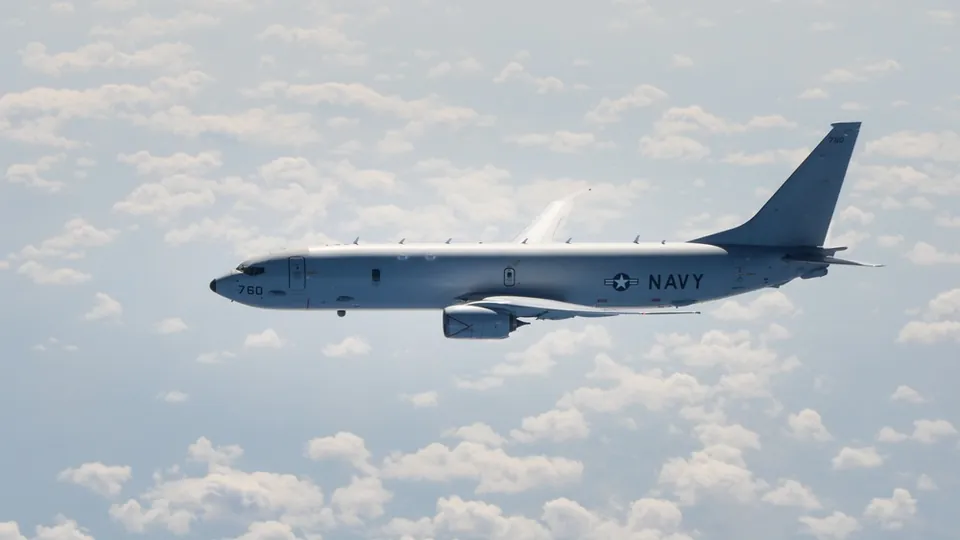
Bulgaria has asked NATO for combat aircraft and anti-drone systems on its territory, the Guardian reported. France sent a maritime reconnaissance aircraft to Romania on 18 October. Bulgarian National Radio reported that a U.S. Navy P-8A Poseidon patrol aircraft arrived in Varna on Sunday from Sigonella in Italy; Stars and Stripes noted it was not clear whether that deployment is part of the newly announced measures.
NATO has not announced a new mission to escort merchant vessels, Stars and Stripes said. For now the emphasis is on seeing more of the sea and the air above it, and on collecting evidence that could identify who launches future attacks. Allied commanders were reported last week to be consulting closely with Romania and Bulgaria as their authorities investigate the incidents. The earlier case of a grain ship that sank in Romania’s exclusive economic zone was among the first in the current series.