Greek-Turkish Relations
Turkish Presidency on the Libyan vote: a “satisfying step” – Ankara “will continue to protect its rights in the Blue Homeland”
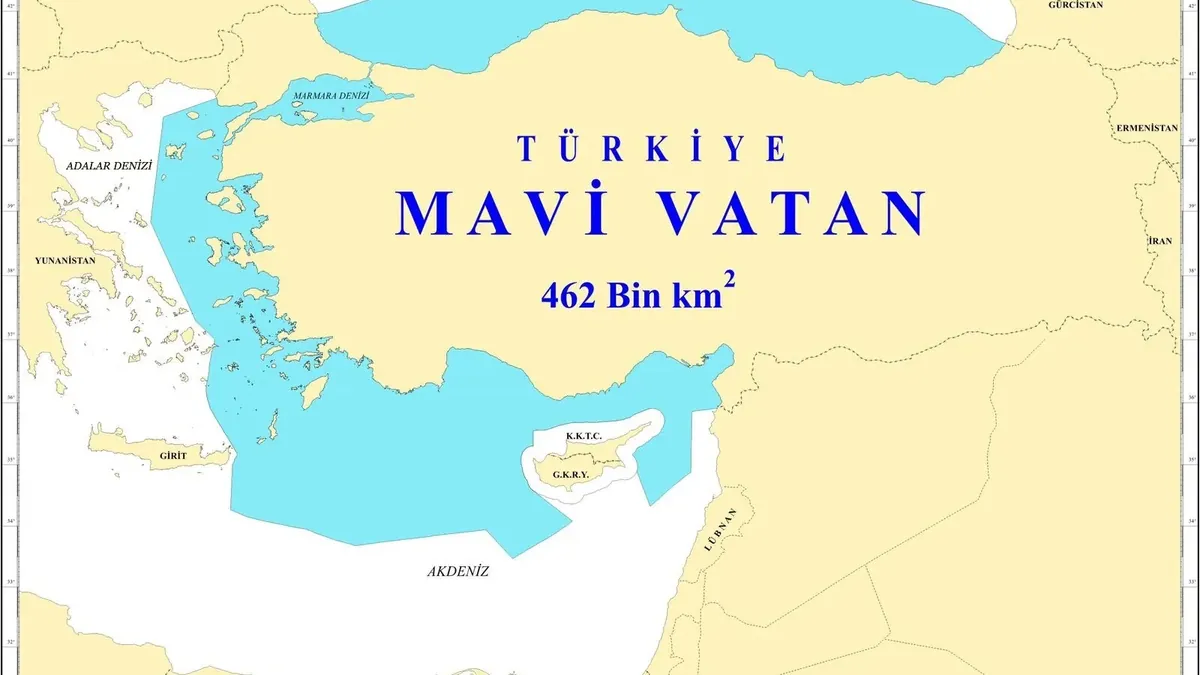
Burhanettin Duran, head of the Turkish Presidency’s communications office, called the Libyan House’s approval of the memorandum a “satisfying step” and tied it directly to the “Blue Homeland” doctrine.

The Turkish Presidency welcomed the approval of the Turkish–Libyan memorandum by Libya’s House of Representatives and tied the decision directly to the “Blue Homeland” doctrine. In a post on X on the afternoon of Tuesday, October 20, Burhanettin Duran, head of the Presidency’s Communications Directorate, called the unanimous approval a “significant and satisfying step for Türkiye–Libya relations and for developments in the Eastern Mediterranean”.
“This decision is an important development for protecting the common rights and interests of the two countries in the Eastern Mediterranean, for determining maritime jurisdiction areas on the basis of equity, and for strengthening regional cooperation,” Duran wrote.
“Mavi Vatan” under the Presidency’s signature
“Under the leadership of our President, His Excellency Recep Tayyip Erdogan, Türkiye will continue to protect its legitimate rights and interests in the Blue Homeland (Mavi Vatan), while developing its relations with friendly and brotherly Libya and supporting fair sharing, peace and stability in the Eastern Mediterranean,” the post concludes.
The reference to the “Blue Homeland” by the Presidency’s official communications chief carries weight, because the doctrine claims some 462,000 square kilometres of maritime zones and disregards the maritime entitlement of Greek islands such as Crete, Rhodes and Kastellorizo, as well as of Cyprus. The same slogan was used earlier by Erdogan’s chief foreign policy adviser Çağrı Erhan, who wrote on X “Congratulations to our Blue Homeland”. The term “equity” (hakkaniyet) is Turkey’s basic position on maritime delimitation, with which Ankara, which has not signed UNCLOS, disputes the full effect of islands provided for in the UN Convention on the Law of the Sea. Turkey’s Foreign Ministry also welcomed the decision in its statement No. 202.
The response of Athens and Brussels
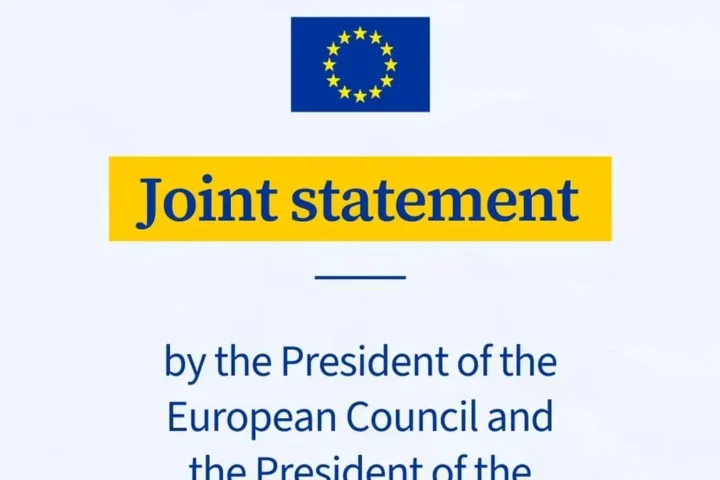
The Greek Foreign Ministry described the memorandum “spurious, null and void” and recalled that “geography and the international Law of the Sea are not changed by unilateral, legally unfounded parliamentary decisions”. Cyprus also condemned the decision, while the presidents of the European Council and the Commission, António Costa and Ursula von der Leyen, said the agreement is “null and void”, that it “infringes the sovereign rights of third states”, and expressed solidarity with Greece and Cyprus.