Military & Defense
Pentagon fails its financial audit for a ninth straight year, now aiming for a clean opinion in 2028
The Pentagon failed the department-wide audit for the ninth consecutive year, but says clean opinions will now cover over 56% of assets and over 90% of liabilities. The target is a clean opinion in 2028.

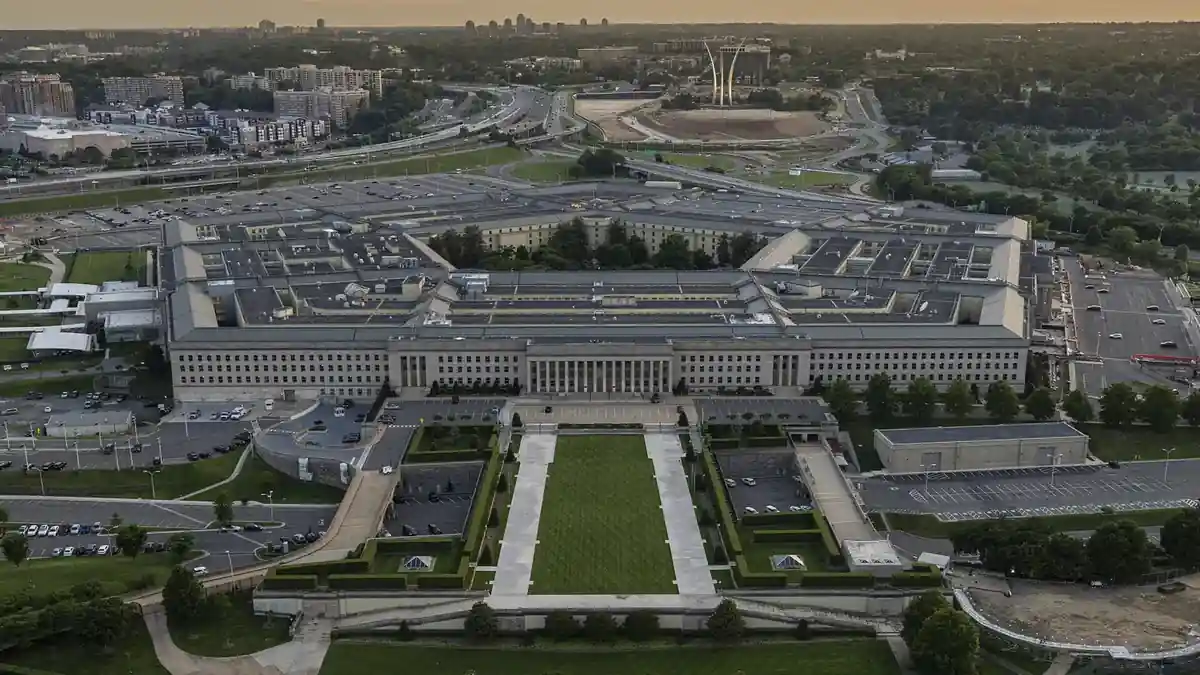
The Pentagon failed the annual financial audit of the whole department for the ninth consecutive year. The US department, which now uses the name “Department of War”, published its Agency Financial Report for fiscal year 2026 on Monday, November 16, and presents the results as a significant step toward a “clean” opinion. The audit examined assets of $4.9 trillion and liabilities of $5.2 trillion, according to Breaking Defense. The goal remains a clean opinion for the entire department in 2028.
For the first time, clean auditor opinions will cover more than 56% of the department’s assets and more than 90% of its liabilities. The percentages include opinions expected in January and February 2027. In November the department received an unmodified opinion on the Medicare-Eligible Retiree Health Care Fund, bringing the number of clean opinions to 12. Four more are expected in February, for the Navy Working Capital Fund, the General Fund of the Defense Information Systems Agency (DISA), and the Defense Intelligence Agency (DIA) and National Geospatial-Intelligence Agency (NGA), with classified reports. “It’s a really big deal for us,” said Comptroller Jules Hurst.
A change of strategy
The change of strategy merges 25 separate financial statements into eight and replaces the Inspector General with an independent private audit firm. Fiscal 2026 is the last year in which the audit is carried out under the Inspector General’s supervision, Hurst told DefenseScoop. Secretary of War Pete Hegseth set up the Joint Task Force Audit (JTF Audit), the FAST team to identify overlapping programmes, and an oversight committee co-chaired by Hurst and the Vice Chairman of the Joint Chiefs of Staff. More than 300 auditors of the Defense Contract Audit Agency (DCAA) are verifying inventories in warehouses around the world. Hurst cited as an example the long-running audit problems in the F-35 programme, where the figures in the books did not match what was in the field (our report).
The War Data Platform
At the centre is the War Data Platform, the renamed version of Advana. The department invested $200 million, from the One Big Beautiful Bill Act, in automation and analytics tools, which the Pentagon calls “Super Intelligence”. Deputy Assistant Comptroller Sean Lennon explained that Databricks software pools data from 70 critical systems and Palantir Foundry reconciles transactions with the financial statements. “We can’t modernise all these systems in two years,” Hurst said.
For fiscal 2027 the target is a clean opinion on the department’s consolidated Working Capital Fund, which includes the Transportation Command (TRANSCOM) and the services’ corresponding funds. For 2028 the target is a clean opinion on the financial statements of the entire department, which would be the first in the Pentagon’s history.