Air Force
SNIPER ATP: The Advanced Targeting Pod
Studying the recent military conflicts in Libya, Armenia and Ukraine, we can easily realise that accuracy in the acquisition of enemy targets is of paramount importance in the…

Studying the recent military conflicts in Libya, Armenia and Ukraine, we can easily realise that accuracy in the acquisition of enemy targets is of paramount importance in the modern air combat environment and this can be achieved by using targeting pods such as the Lockheed Martin’s SNIPER ATP.
Sniper Advanced Targeting Pod (ATP)
Contents
A technology that has revolutionized the capabilities of fighter aircraft is the targeting pods.
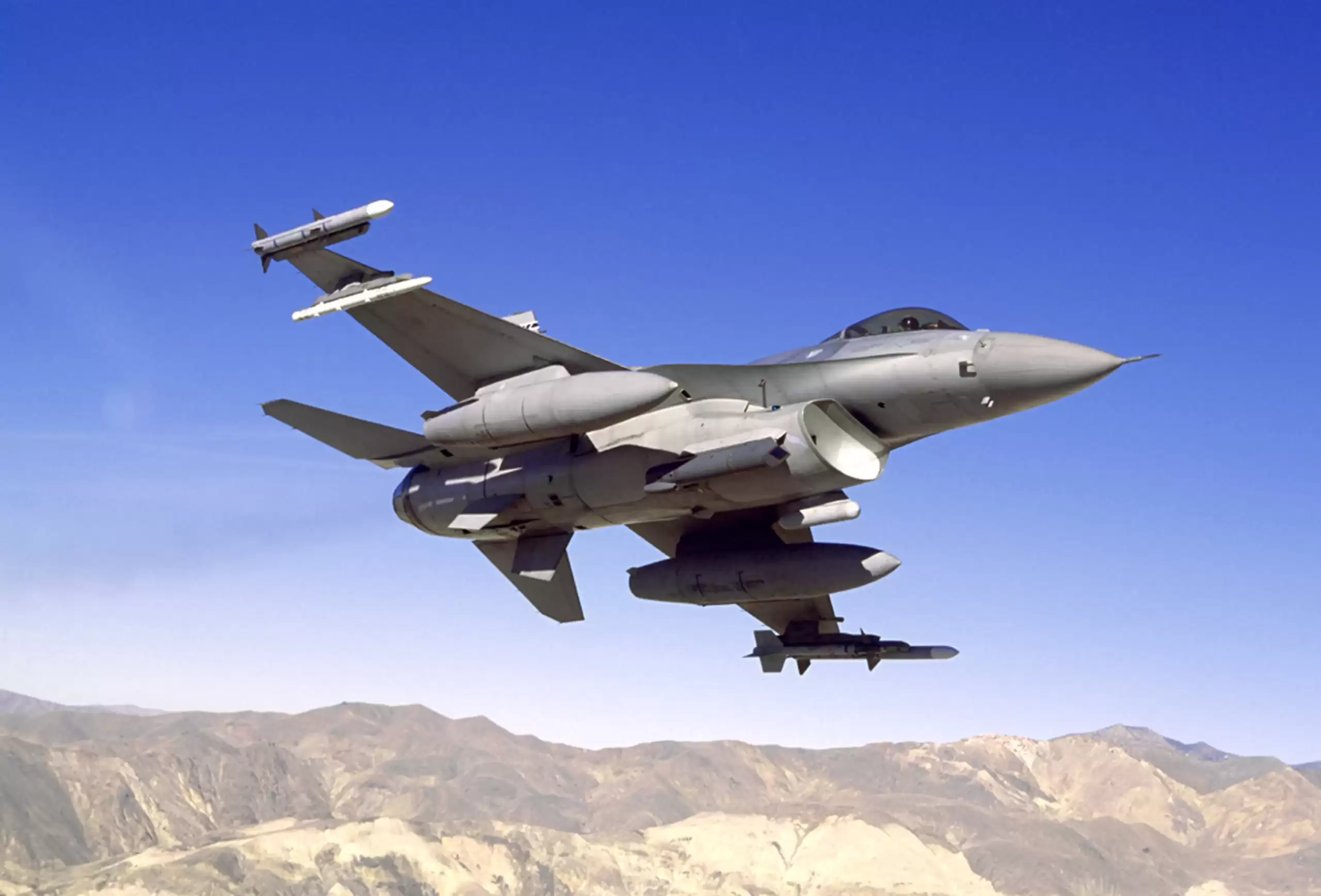
With its advanced sensor suite and innovative features, the Sniper ATP (officially known as the AN/AAQ-33 Sniper Advanced Targeting Pod) is revolutionizing the battlefield for the air forces that utilize it. It is currently deployed on several aircraft, including the U.S. Air Force and other air forces operating F-16s, F-15s, B-1Bs, CF-18s, Harriers, A-10s, B-52s, and Tornadoes.
What is Sniper ATP?

The Sniper ATP, an acronym for Advanced Targeting Pod, is an electro-optical and infrared (EO/IR) targeting system designed for fighter and military aircraft. It provides a wide range of capabilities, including detection, tracking, identification and target engagement. By seamlessly integrating with the aircraft’s electronic systems, the Sniper ATP enhances the effectiveness of the Air Force mission by enhancing the capabilities of both strike and reconnaissance aircraft.
History of Sniper ATP
The development of the Sniper ATP can be traced back to the early 1990s, when the need for a versatile and advanced targeting pod was recognised by the United States (US). The first operational version was introduced in 2001 and marked a significant leap forward in targeting technology. Over the years, the Sniper ATP has undergone several upgrades, consolidating its position.
How does it work?
At the heart of the Sniper ATP’s capabilities lies its advanced sensor suite and data processing computers. The pod incorporates high-resolution electro-optical and infrared sensors that provide excellent target visibility in a variety of environmental conditions. Using real-time image processing and advanced algorithms, the Sniper ATP accurately locates and tracks targets, even in difficult scenarios with low visibility for the pilot.
The integrated pod features a number of advanced components, including a high-resolution medium-wave FLIR, a dual-mode laser, an HDTV camera for visible light capture, a laser locator, a laser pointer, a datalink for video relay and a digital data recorder. Using image stabilisation technology, the system achieves the ability to identify targets from a safe distance, minimising exposure to hostile systems. The dual-mode laser also offers an enhanced safe mode suitable for urban combat.

The FLIR system built into the pod allows surveillance and monitoring even when visibility is blocked by smoke, clouds or limited lighting conditions. In addition, the CCD camera has similar functions in the light spectrum, specifically tailored for optimal performance during daylight hours as well.
By continuously analysing the pod’s sensor data and combining it with other on-board systems, Sniper ATP ensures accurate target tracking, minimising the risk of false identification as it continuously tries to confirm the target based on its computational database.
To sum up…
Sniper ATP enhances the Air Force’s situational awareness by providing real-time information on the battlefield, essentially acting as a “sniper”. Its sensors provide a comprehensive view of the operational environment to the Air Force, allowing pilots to quickly make informed decisions. With detailed target information and analysis of the terrain environment, pilots can quickly respond to threats in the modern combat environment and better coordinate with other forces.
Frequently Asked Questions

Can the Sniper ATP be used both day and night?
Can it be integrated into several aircraft?
Can the Sniper ATP be used by a single person?
Are there any export restrictions for Sniper ATP?
Can the Sniper ATP be upgraded with future technologies?
Tell us what you think in the comments!
Copyright: GEOPOLITIKI (GEOPOLITIKI.COM – It is forbidden to copy the text to other media, social media etc. without permission) Use the SHARE Button.