Military & Defense
Ukrainians teach U.S. Army drone warfare at Saber Junction 26
Ukrainian troops embedded with U.S. Army units at Saber Junction 26, bringing battlefield lessons in drones and electronic warfare to Germany.

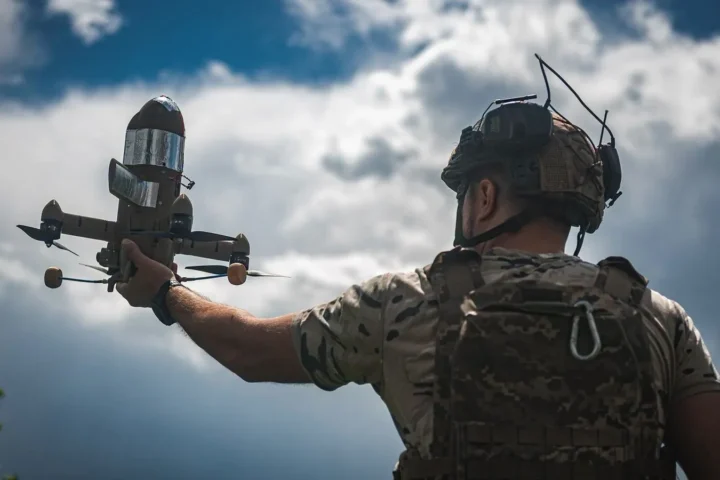
Ukrainian military personnel embedded with U.S. Army units during Saber Junction 26 in Germany, bringing battlefield experience in drone operations, electronic warfare and unmanned-system integration to one of the service’s largest European exercises.
The training took place at the Hohenfels Training Area in Bavaria, where the 173rd Airborne Brigade led the American force. According to The Associated Press, about a dozen Ukrainian troops participated as advisers, working directly with U.S. soldiers as they tested reconnaissance drones, one-way attack systems and the tactics needed to employ them alongside conventional units.
Brigadier General Terry Tillis, who leads the Germany-based Army training organisation, said the exercise involved approximately 1,900 drones. Some soldiers from the 173rd Airborne Brigade had also travelled to Ukraine earlier in 2026 to study how Ukrainian forces use unmanned aircraft under active battlefield conditions.
The cooperation reflects the speed at which lessons from the Russia–Ukraine war are moving into U.S. military training. Ukrainian units have integrated drones into reconnaissance, targeting, artillery support, direct strikes and logistics. They also operate in an environment shaped by electronic jamming, rapid changes in frequencies and the constant need to replace systems lost in combat.
During Saber Junction, roughly half of the 173rd Airborne Brigade’s encounters with the opposing force began with what Army chief technology officer Anthony Miller called “drone contact first.” The figure shows how unmanned systems are increasingly becoming the first means by which ground formations detect, identify and engage an adversary.
The U.S. Army is deploying one-way attack drones down to company level, but officials say the service has not yet settled the organisational model for drone warfare. One question is whether specialised formations should concentrate expertise or whether every combat unit should develop its own unmanned capability.
That debate became more visible after the Army ended the work of a specialised experimental drone formation within the 173rd Airborne Brigade and returned it to a traditional infantry role. Army officials said the move did not represent a retreat from drones and argued that distributing expertise across the force could allow new tactics to spread more quickly.
Ukraine has followed a different structure. It created a separate Unmanned Systems Forces branch while also embedding drone teams throughout its armed forces. U.S. officials have stressed that the Army is studying Ukrainian experience without attempting to copy the Ukrainian model directly, because American formations operate with different resources, doctrine and supporting capabilities.
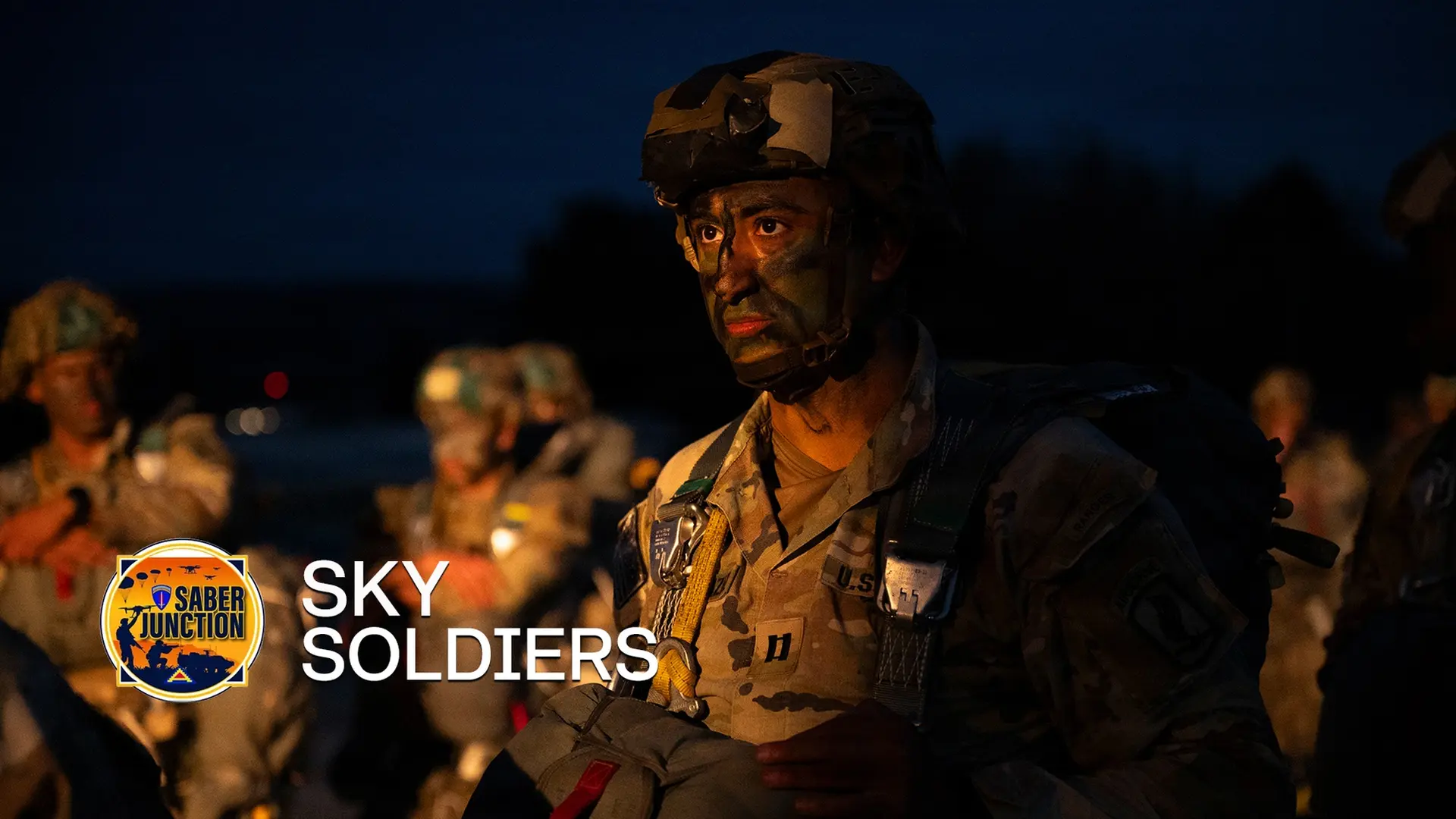
U.S. Army Europe and Africa describes Saber Junction as a combat-training exercise focused on large-scale operations and readiness. More than 2,300 paratroopers from the 173rd Airborne Brigade and over 2,100 allied and partner personnel from ten countries were scheduled to participate in the 2026 iteration.
The exercise also tested how drones connect with artillery, manoeuvre forces and electronic-warfare systems. Army officials said the aim is not simply to add unmanned aircraft to existing formations, but to determine how units should be organised when drones are present throughout the battlefield.