Drones
Ust-Luga: fire at the Baltic port after a night drone attack – three injured, Leningrad governor reports 150 drones downed
A night drone attack on the Leningrad region set the Ust-Luga port area on fire, injuring three workers; Governor Drozdenko reported 150 drones shot down, while Estonia, Latvia and Lithuania issued air-threat alerts.

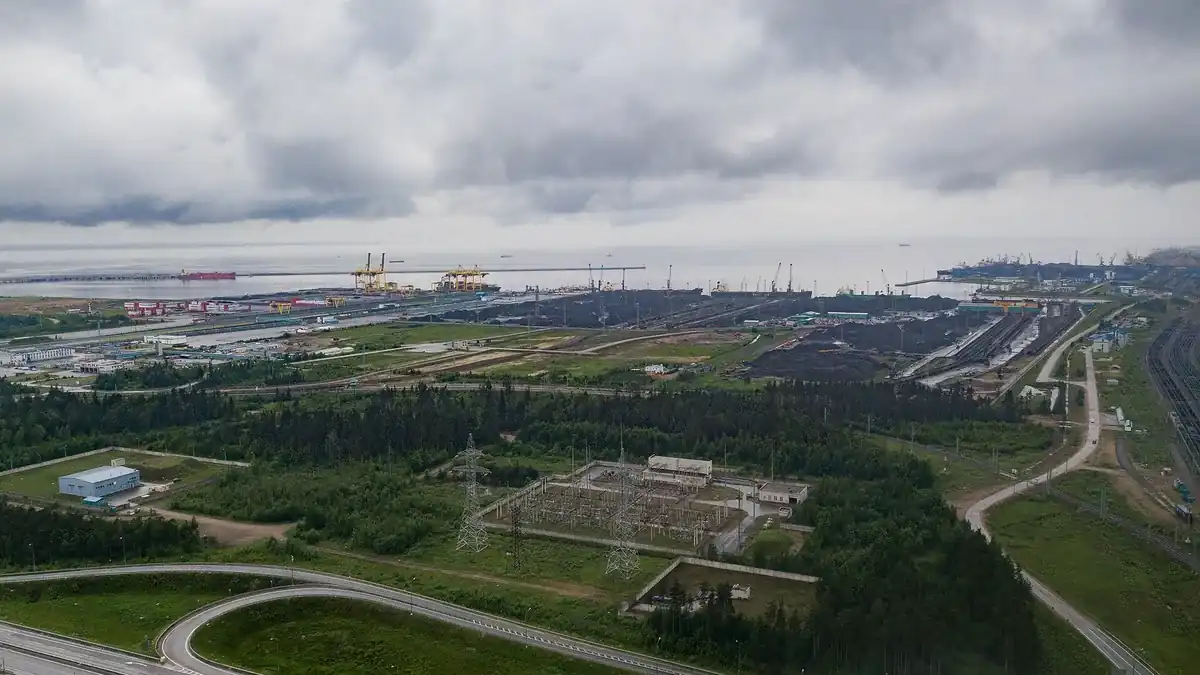
A night drone attack on the Leningrad region, towards dawn on Wednesday, November 11, left a fire in the port zone of Ust-Luga, on the Gulf of Finland, less than 40 kilometres from the Estonian border. Regional governor Alexander Drozdenko wrote in his latest update that the target was the port, in the Kingisepp district, that several drones hit their target and that three workers were injured, with their lives not in danger.
From 42 to 150 drones downed in one night
The drone alert sounded across the region at 00:26 Moscow time, together with a warning of possible slowdowns in mobile internet. Then came the governor’s posts with an ever larger count: 42 drones at 01:54, 92 at 02:55, 141 at 04:52 and 146 at 05:37, each time with the note that “the operation continues”.
About half an hour later Drozdenko reported that, according to initial data, the port zone had been hit, a fire had broken out and firefighting forces had already begun extinguishing it. In the same message he reported an automatic shutdown at a transformer substation in Ust-Luga. The all-clear came at 07:23, with the provisional toll rising to 150 drones downed. Ukrainian monitoring channels such as Exilenova+ posted video of explosions and a large fire in the port area. These accounts could not be independently verified.
The attack was felt across the border too. The Estonian Defence Forces sent alerts about a “possible air threat” from 03:15 local time to residents of Tartu, Jogeva, Viljandi, Valga, Voru and Polva counties, and a little later to the east, in Ida-Viru and Laane-Viru. A spokesperson told Estonian public broadcaster ERR that NATO fighters took off, while an ERR correspondent reported that the attack could be seen from Narva, Sinimae and Sillamae. Latvia and Lithuania also issued drone warnings.
A port under sanctions
Ust-Luga is one of Russia’s main export gateways on the Baltic, for crude, refined products, grain and other cargo. It is on sanctions lists of the EU, Britain, the United States, Canada and Switzerland, and the European Commission ranks it among the ports from which Russian crude leaves with the “shadow fleet”. It is not the first time it has been targeted: on September 1 Ukrainian military intelligence announced a strike on the Novatek complex in the same port, with damage to an oil processing unit.
This is the second major attack in the region within three days, after the fire at the Kirishi refinery on Monday, November 9, and it forms part of the campaign that has put about 30% of Russian refining capacity in the crosshairs. It also coincided with the second day of the trilateral U.S.–Russia–Ukraine talks in Abu Dhabi.