Politics & Diplomacy
EU calls for Iran ceasefire and Russian de-escalation in Costa’s UN address
António Costa used his UN General Assembly address to call for an Iran ceasefire, safe passage through Hormuz, an end to Russia’s war and UN reform.

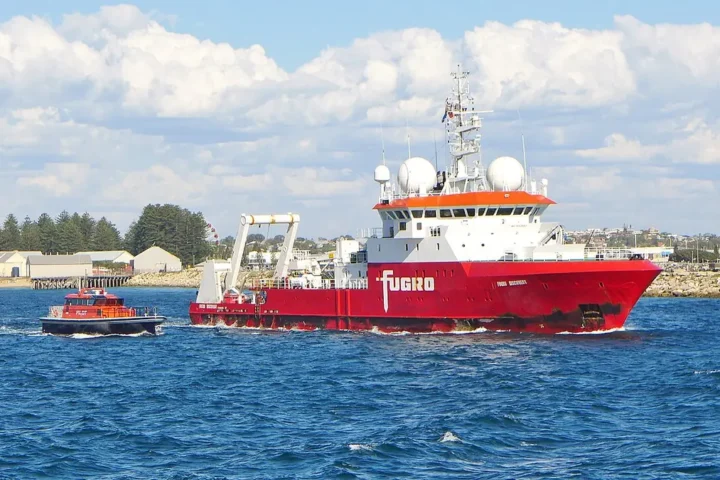
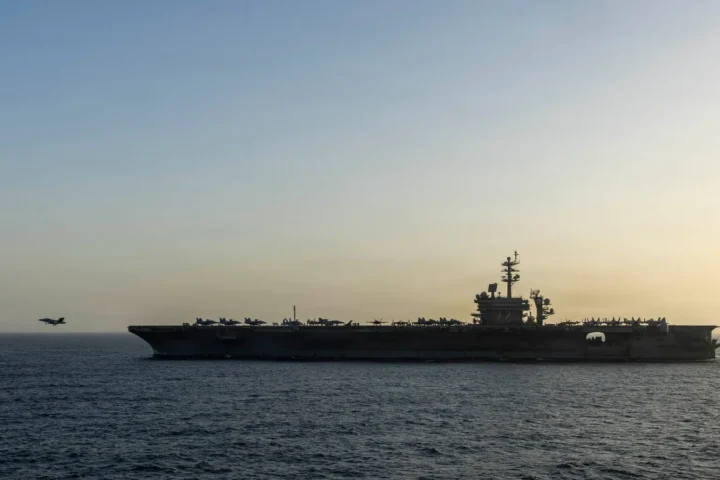
European Council President António Costa urged full observance of the ceasefire involving Iran and unrestricted navigation through the Strait of Hormuz in an address to the United Nations General Assembly on 24 September. Speaking on behalf of the European Union, he also called for Russia to end its war against Ukraine and stop actions that threaten the security of EU member states.
Costa said a durable outcome in the Middle East must account for the security of countries in the region and reiterated the EU position that Iran must never acquire a nuclear weapon. His remarks addressed the ceasefire and freedom of navigation as separate requirements. He did not announce a new agreement with Tehran or a change in EU policy. The Strait of Hormuz remained a specific concern in the speech because of its role in international shipping.
On Ukraine, the European Council president described Russia’s war as an attack on a sovereign state with consequences for food security, energy markets and wider stability. He said Russia’s actions had also endangered civilian populations beyond Ukraine’s borders and criticised threats to EU member states over the preceding 12 months. Costa urged the international community to use available means to bring the war to an end and create conditions for negotiations toward a comprehensive and lasting peace.
The speech also addressed the conflict in Gaza. Costa said the EU regretted the present stalemate and the continued suffering of civilians. He restated the bloc’s support for two states, Israel and an independent democratic Palestine, living in peace and security. In the same section, he argued that international humanitarian law and human rights obligations apply across conflicts, including in Ukraine, the Middle East, Africa, Asia and Latin America.
Costa defended the independence of the International Court of Justice and the International Criminal Court, saying political convenience must not determine accountability. He called for reform of the UN Security Council to make it more effective and representative, and for investment in the broader UN system rather than withdrawal from it. The position formed part of his wider argument for cooperation among countries facing security, climate and economic challenges.
The EU president also highlighted the launch during the General Assembly week of Partners for Multilateralism, International Law, Peace and Prosperity. The initiative brings the EU together with Australia, Barbados, Brazil, Canada, India and Kenya as an open platform for dialogue, coalition-building and practical cooperation. Costa invited other countries to endorse its declaration. At a meeting in New York earlier in the week, he appeared alongside European Commission President Ursula von der Leyen and Australian Prime Minister Anthony Albanese.
Artificial intelligence was another part of the address. Costa called for accountable and transparent international governance and said the UN should have a central role through its Global Digital Compact and related scientific and governance forums. He argued that a small number of large companies should not determine the rules for the technology. The initiative and the UN reform proposals were presented alongside the EU’s stated positions on the wars and crises before the General Assembly.